
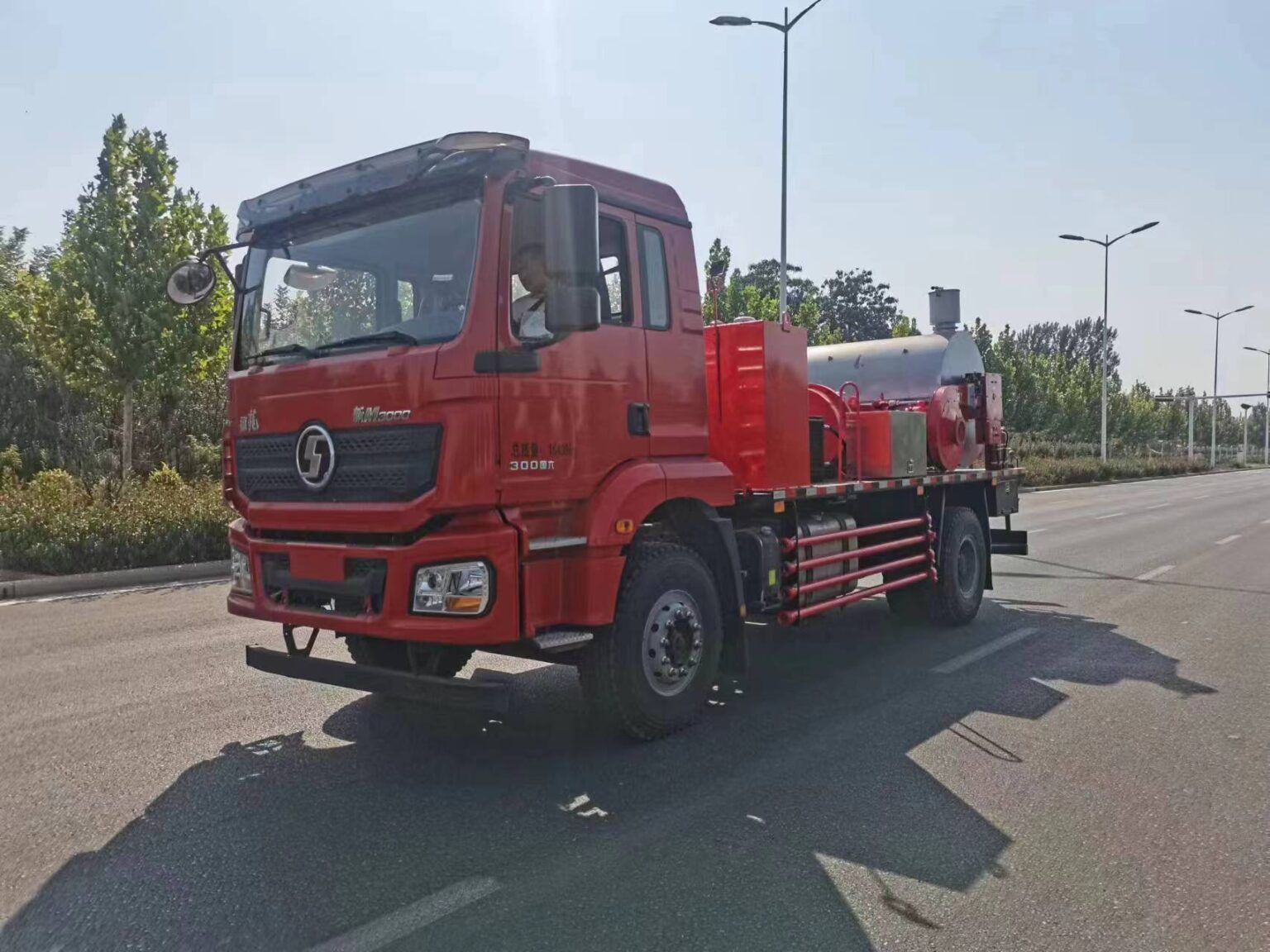
Hot oil truck coils are easy to overlook because buyers often talk first about tank volume, pump rate, or burner capacity. In wax-removal service, however, the coil is where heat transfer, fluid movement, safety discipline, and maintenance reality meet. A hot oil truck that cannot heat consistently or cleanly will struggle in the exact wells where the operator needs it most.
For Vance Petro’s well flushing and wax removal truck, the heating system should be discussed as part of the complete service workflow: fluid preparation, circulation, temperature control, pumping, returns, and post-job evaluation.
Why Coils Matter in Wax Removal
Wax and paraffin problems are not solved by heat alone. The crew needs enough heat delivered in a controlled way, with fluid movement that reaches the problem area without creating unnecessary risk. The coil must transfer heat effectively while fitting the truck’s burner, pump, tank, and control arrangement. If one part of that chain is poorly matched, the field result can be slow heating, excessive fuel use, or repeated cleaning work.
Buyer Inspection Points
| Item | What to Ask | Why It Matters |
|---|---|---|
| Coil design | How is heat transferred and inspected? | Inspection access helps prevent hidden damage. |
| Burner matching | Can the burner support stable heating under field load? | Unstable firing reduces useful heat and may create soot. |
| Pump and circulation | Does the flow rate match the heating objective? | Heat that does not circulate properly is wasted. |
| Cleaning access | How are deposits, scale, or residue managed? | Dirty systems lose efficiency and become harder to operate. |
Service Workflow for a Wax-Prone Well
- Review the well’s wax history, production decline, and previous hot-oil jobs.
- Confirm safe rig-up, return handling, and pressure limits before heating starts.
- Bring the fluid temperature up steadily instead of chasing a dramatic number.
- Monitor pressure, flow, and returns while the well responds.
- Record post-job production behavior and any solids or wax returned to surface.
When a Flushing Truck Is the Better Search Term
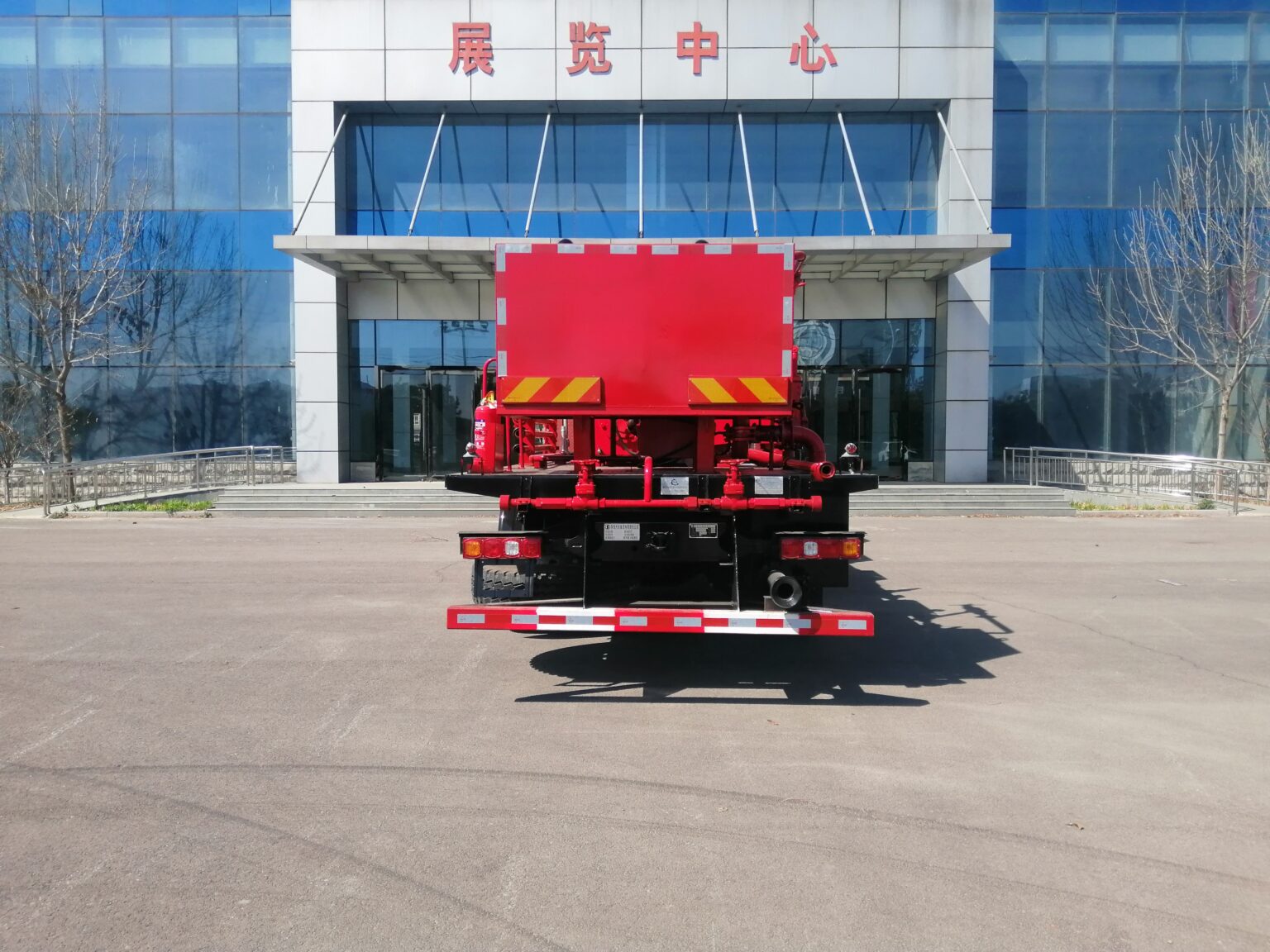
Some customers search for hot oil truck service, while others describe the same need as well flushing, wax removal, or heated circulation. Vance Petro’s oilfield flushing truck can be relevant when the job combines circulation, deposits, sand, or general wellbore cleaning. The buyer should choose the equipment name based on the service method, not only the local phrase used by one field crew.
Maintenance Notes for Coils and Heating Systems
- Watch for slower heat-up time, soot, abnormal flame behavior, and rising fuel use.
- Inspect lines, valves, and temperature-control points before each campaign.
- Keep burner consumables and basic seals available near the field.
- Clean and flush the system according to the fluid used and the deposits returned.
- Do not use heating to compensate for a pumping or circulation problem that has not been diagnosed.
Field Signs That the Heating Package Is Underspecified
A hot oil truck may be underspecified when jobs take longer every month, when the crew keeps raising temperature without seeing better flow response, or when the burner and coil require cleaning more often than expected. Those symptoms can point to wax severity, but they can also show that the heating package is not matched to the well conditions. Buyers should compare the expected service depth, fluid volume, wax history, ambient temperature, and circulation route before deciding that a larger tank or burner is the only answer.
In some cases, operational discipline solves part of the problem. Better pre-job diagnosis, clearer return handling, and post-job records can prevent the truck from being used as a generic heat source. In other cases, the specification really needs to change. That is why the supplier should understand the customer’s well type and service routine before recommending the final hot oil unit.
For a broader technical discussion, see Vance Petro’s article on how hot oil flushing trucks improve paraffin removal efficiency. A reliable hot oil truck is not simply a heated tank. It is a controlled heating and circulation package where coils, burner, pump, and crew procedure all have to fit the well’s wax behavior.
Continue your equipment research
Compare the equipment pages and technical notes most closely connected to this topic.
- Well Flushing & Wax Removal Truck | Hot Oil Flushing Unit specifications and applications
- Boiler Truck | Oilfield Boiler Unit specifications and applications
- Well Flushing & Wax Removal Truck | Hot Oil Flushing Unit for Oil Production Recovery
- Oilfield Hot Oil Truck for Sale: New vs Used Buyer Checklist