
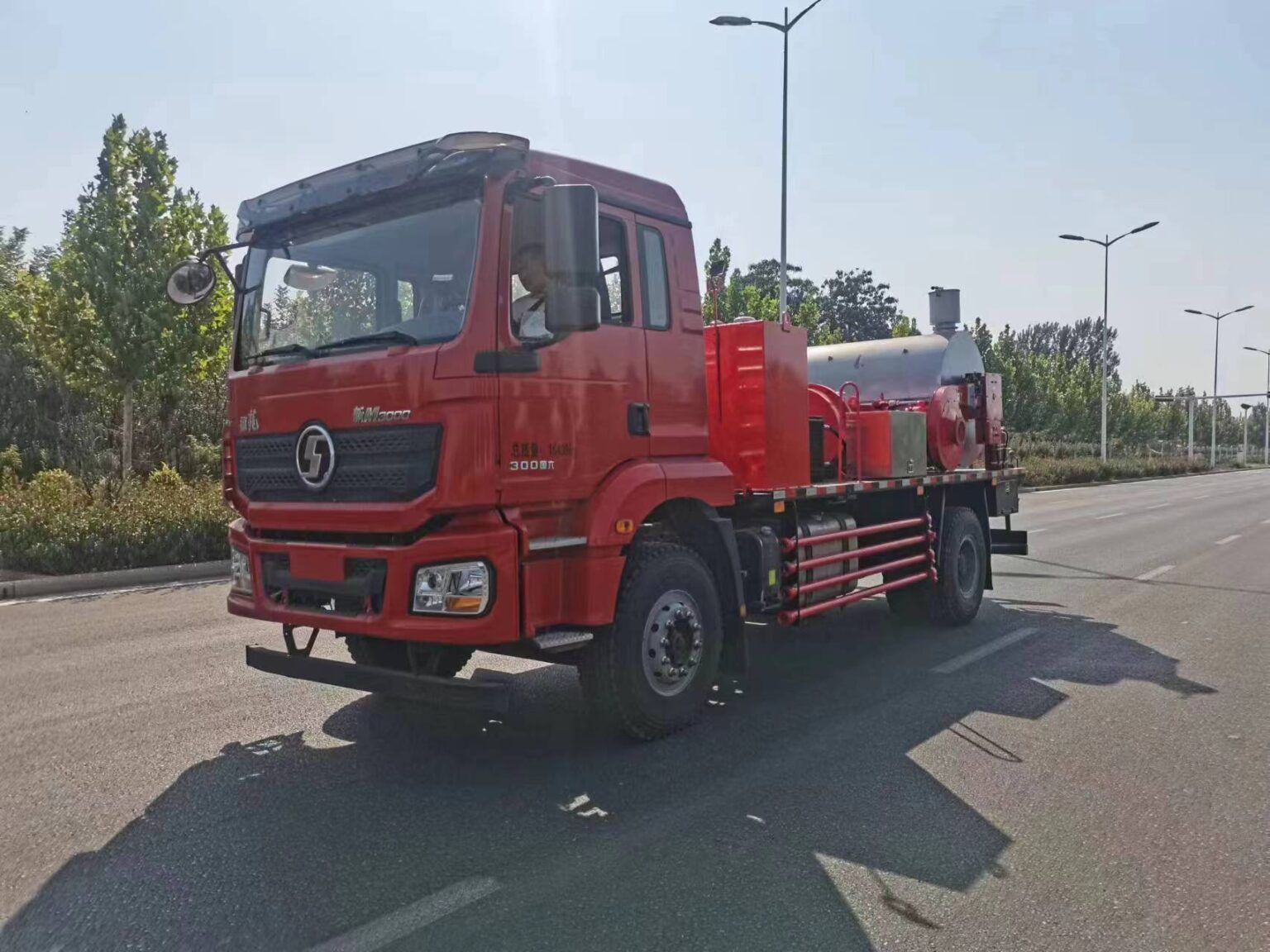
A well flushing and wax removal truck is designed for oilfields where paraffin, wax, sand, sludge, or heavy oil deposits reduce production efficiency. In many wells, crude oil cools as it travels from the reservoir to the surface. When temperature drops, wax components can separate from the oil and adhere to tubing, flowlines, wellhead equipment, and surface piping. Over time, this buildup restricts flow, increases pressure loss, and can cause serious production decline. A hot oil flushing unit gives the service crew a mobile way to heat, circulate, and pump fluid for wax removal and well cleanout.
Henan Vance Petroleum Machinery Co., Ltd. is an oilfield equipment manufacturer based in Puyang, Henan, close to China’s Zhongyuan Oilfield. The company focuses on practical equipment for well servicing, production support, heating, pressure pumping, nitrogen generation, cementing, fracturing, sewage treatment, and related oil and gas operations. For international buyers, Vance Petro can support product configuration, export documentation, spare parts planning, and technical communication before production.
Why Wax and Paraffin Control Is Important
Wax deposition directly affects production economics. A restricted flow path reduces production rate, increases energy demand, and may force the operator to schedule frequent workovers. In severe cases, wax can block tubing or surface lines so badly that mechanical intervention becomes necessary. The earlier the operator controls wax buildup, the easier it is to maintain stable production and avoid unplanned shutdowns.
The cause of wax deposition depends on crude oil composition, temperature profile, flow velocity, pressure changes, water cut, and surface conditions. Some wells need chemical treatment, some require mechanical cleaning, and some respond well to thermal flushing. Hot oil flushing is widely used because heat can soften wax and help move it out of the restricted section. When combined with controlled circulation and proper operating procedures, it can restore flow without requiring more complex intervention.
How a Hot Oil Flushing Unit Works
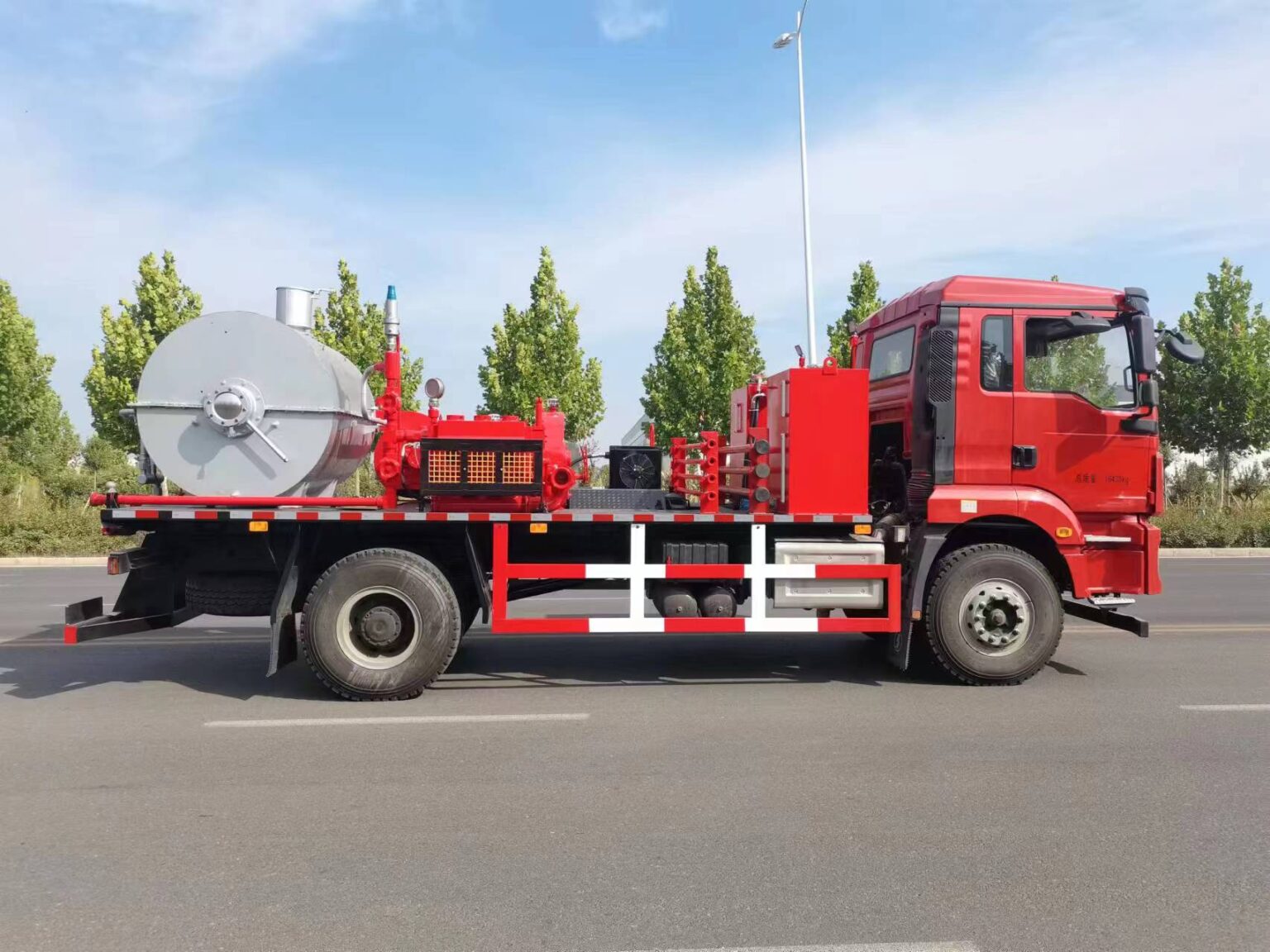
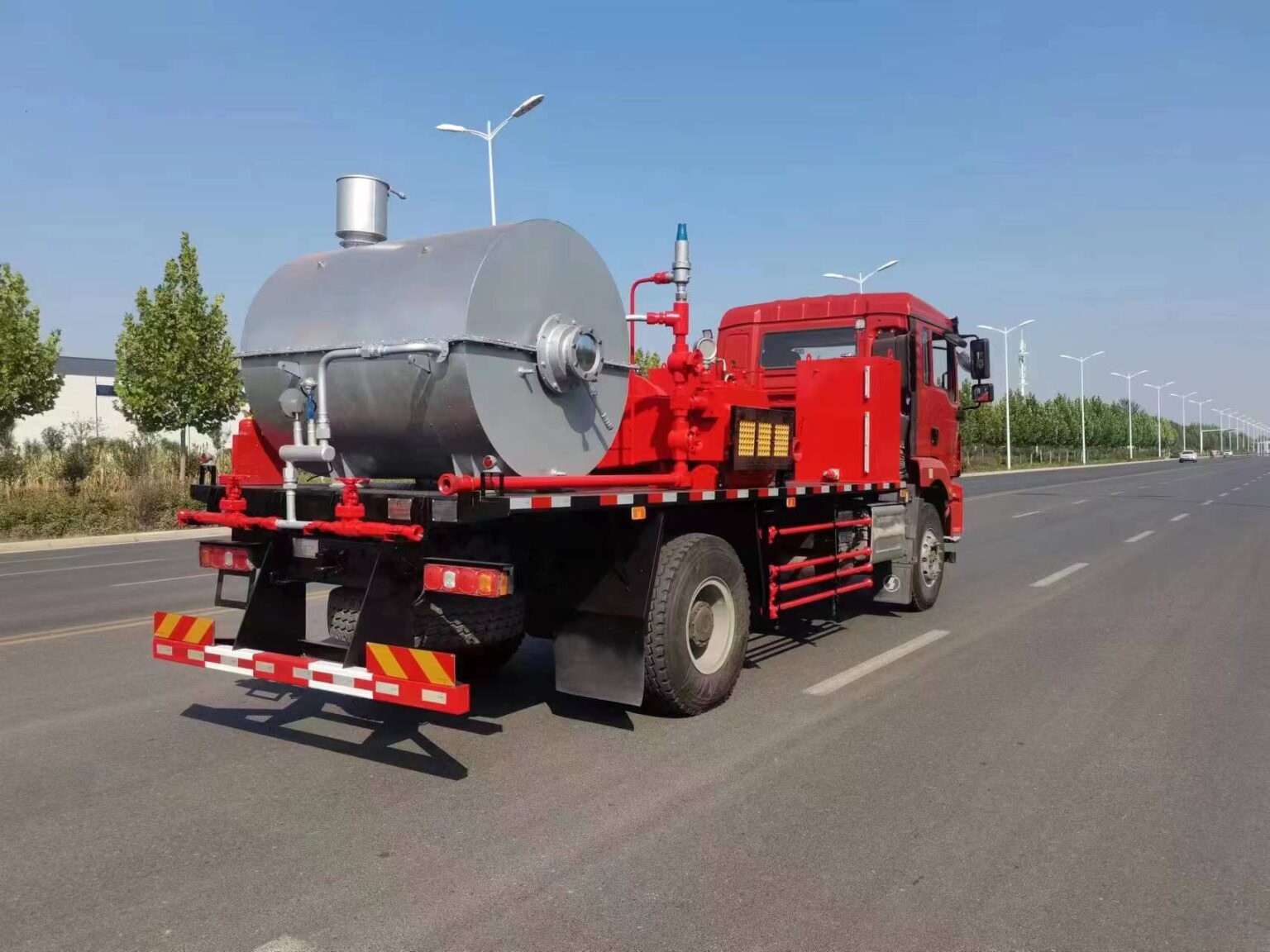
A typical hot oil flushing truck includes a fluid tank, heating system, burner or boiler section, high pressure pump, piping, valves, temperature control, pressure monitoring, safety devices, and an operating platform. The unit heats service fluid to the required temperature and pumps it through the well or line according to the service program. The goal is to transfer enough heat to wax or paraffin deposits so they soften, break down, and can be displaced from the flow path.
Main Applications in Oilfield Service
Paraffin and Wax Removal
The primary application is removing wax and paraffin from producing wells. The truck can be used as part of a scheduled maintenance program or as a response to a decline in flow. Regular flushing can reduce emergency intervention and help operators keep wells within the desired production range.
Sand and Sludge Flushing
Some wells suffer from mixed deposits, including sand, sludge, scale, and wax. Depending on the job design, a flushing truck can help move these materials out of the system. For projects focused specifically on sand flushing, Vance Petro also offers an Oilfield Flushing Truck that may be more suitable.
Heavy Oil Heating and Flow Support
Heavy oil fields often need thermal support because viscosity increases as temperature drops. A hot oil unit can help warm lines, equipment, and selected wellbore sections during maintenance. It is not a replacement for full thermal recovery, but it is a practical mobile tool for local heating, startup support, and flow assurance.
Relationship With Boiler Trucks and Oilfield Heating Equipment
Hot oil flushing is part of a wider oilfield heating category. Some projects require a Boiler Truck or Vehicle Mounted Special Boiler for steam or general heating support. In other projects, the Well Flushing & Wax Removal Truck is the most direct solution because it combines mobility, heating, and pumping for wax control and well service.
Related internal articles include The Role of Boiler Trucks in Heavy Oil Recovery and Effective Wax Control and How Hot Oil Flushing Trucks Improve Paraffin Removal Efficiency in Oil Wells. These resources help buyers compare heating methods and understand when each type of equipment is appropriate.
What Buyers Should Confirm Before Ordering
Before ordering a wax removal truck, buyers should prepare the operating data. The manufacturer should know expected fluid volume, heating temperature, pump pressure, flow rate, tank capacity, fuel preference, climate conditions, chassis requirements, road conditions, and connection standards. The buyer should also explain whether the truck will mainly remove wax, flush sand, heat lines, support well maintenance, or perform several of these tasks.
International buyers should also consider local road rules, maximum vehicle dimensions, axle load limits, fuel availability, electrical standards, operator language, spare parts supply, and documentation requirements. A technically good unit can still create problems if it does not fit the country’s operating environment. Vance Petro can configure truck-mounted equipment according to project needs for the Middle East, Africa, Central Asia, Latin America, and other producing regions.
Safety and Training
Hot oil operations involve heat, pressure, moving fluid, burners, and field connections. Safety procedures must be part of the equipment package. Operators should understand startup, heating control, pressure limits, circulation sequence, emergency shutdown, fire protection, fuel handling, and maintenance checks. Temperature and pressure monitoring should be clear and reliable, and hoses, fittings, and valves must be inspected before each job.
Conclusion
A well flushing and wax removal truck is a practical tool for maintaining production in fields affected by paraffin, wax, heavy oil, sludge, or sand-related restrictions. It helps operators recover flow, reduce unplanned shutdowns, and perform field maintenance with a mobile unit. The best configuration depends on well conditions, heating capacity, pumping requirements, and local operating environment. Vance Petro can support buyers with hot oil flushing units, flushing trucks, boiler trucks, and related oilfield service equipment.
Continue your equipment research
Compare the equipment pages and technical notes most closely connected to this topic.