
A hot oil flushing unit is often judged by how well it removes paraffin, restores flow, and keeps a wax-prone well producing after the service crew leaves. For buyers, however, the maintenance plan behind the unit is just as important as pump capacity or heating output. A well-planned inspection routine helps the crew control temperature, protect the pump, reduce burner problems, and avoid repeat downtime during winter work or heavy wax service.
This maintenance checklist is written for operators, purchasing teams, and field supervisors comparing mobile hot oil equipment for mature fields. It focuses on practical items that should be reviewed before a job, during circulation, and after the unit returns from the wellsite.
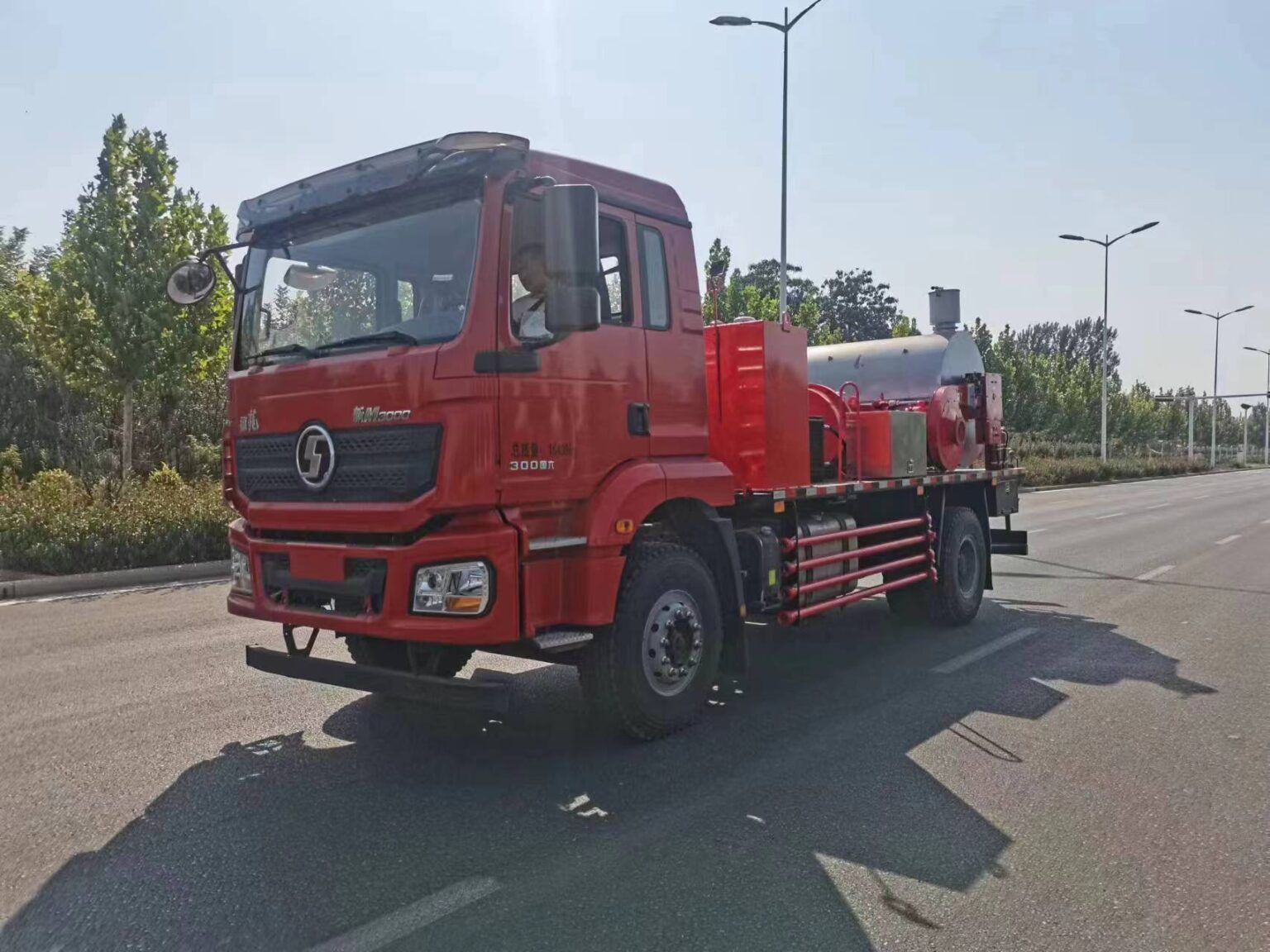
Why Maintenance Planning Matters for Hot Oil Flushing
Hot oil service puts several systems under load at the same time: heating, circulation, pressure control, hose handling, fuel supply, and truck-mounted power transfer. A weak maintenance habit in one area can slow the whole job. A restricted filter may reduce flow, a leaking joint can force a shutdown, and poor burner adjustment can make it difficult to hold the target fluid temperature.
For international buyers, maintenance planning also affects spare parts, operator training, and after-sales support. A unit selected only by nominal pressure or heat capacity may still create problems if the crew cannot inspect the burner, clean strainers, replace seals, or record operating data in a repeatable way.
Pre-Job Inspection Checklist
Before moving the unit to a wax-prone well, the crew should confirm that the truck, heating package, and circulation system are ready for the planned job. This is especially important when the same unit serves multiple wells in a remote field.
- Confirm the target flushing temperature and the maximum allowable pressure for the well, tubing, hoses, and surface lines.
- Inspect pump suction and discharge lines for loose fittings, worn gaskets, blocked strainers, and signs of previous vibration damage.
- Check fuel supply, burner ignition, flame monitoring, air supply, and emergency shutdown function before heating begins.
- Review tank level, fluid condition, return path, relief valve setting, and safe venting method.
- Prepare spare seals, filter elements, hose connections, nozzles, gauges, and common burner consumables.
- Confirm that operators understand startup order, heating limits, pressure response, communication signals, and shutdown steps.
Buyers reviewing complete equipment can compare the Well Flushing & Wax Removal Truck page with related heating equipment such as the Boiler Truck. The goal is not only to choose a truck, but to choose a service package that field crews can keep reliable.
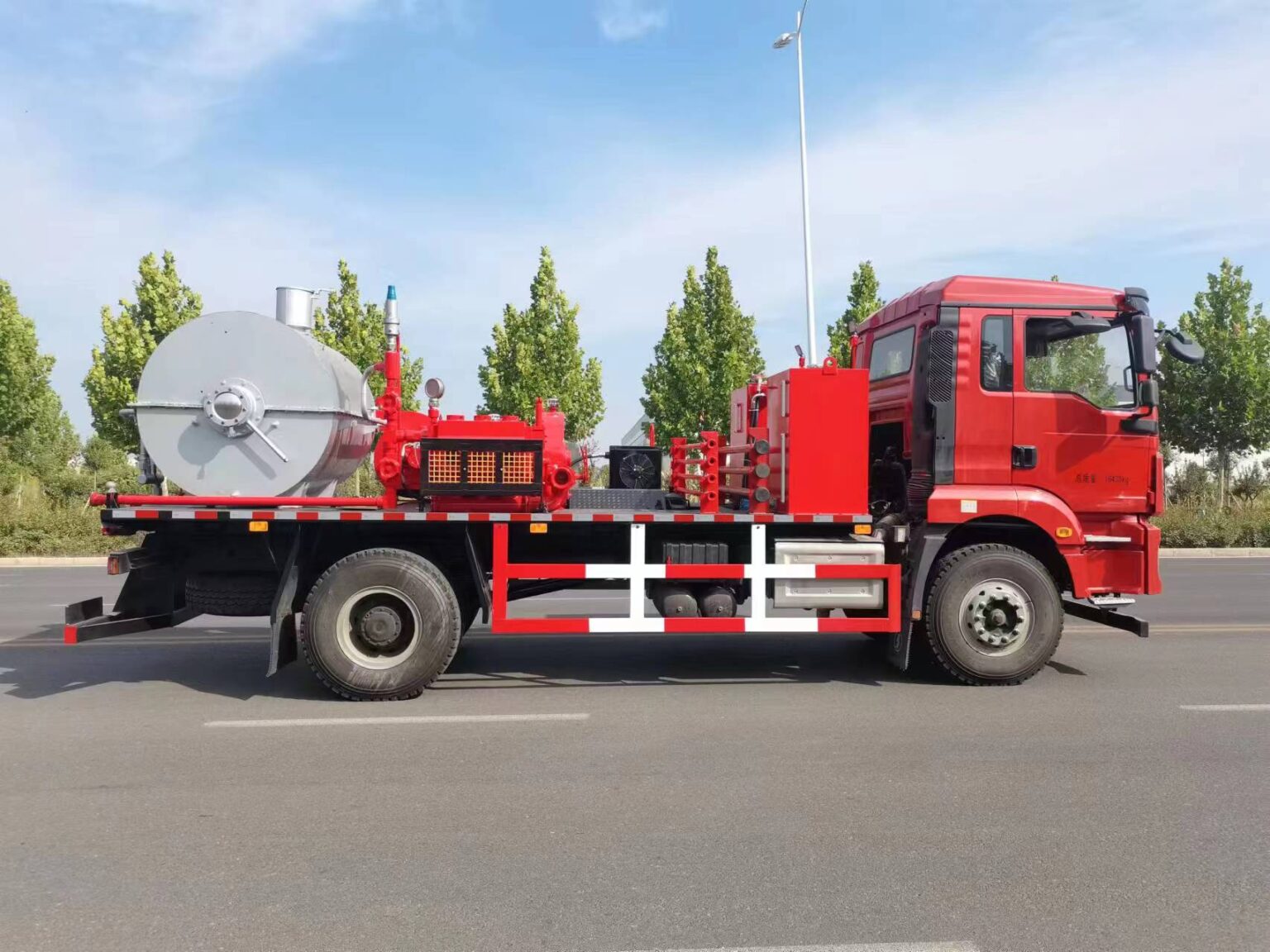
Monitoring During the Flushing Job
During service, the most useful maintenance information comes from stable records. Crews should watch temperature rise, return flow, pump discharge pressure, filter condition, and the behavior of the well as wax begins to soften and move. Sudden pressure increase may indicate restriction, blocked filtration, or poor circulation. Unstable heat output may point to fuel, burner, air, or control issues.
| Item to Monitor | Why It Matters | Field Response |
|---|---|---|
| Fluid temperature | Wax removal depends on controlled thermal support, not uncontrolled overheating. | Adjust burner output and circulation rate within the approved job plan. |
| Pump discharge pressure | Pressure changes can show restriction, blocked flow, or unsafe operating conditions. | Slow the operation, check valves and filters, and avoid forcing the system beyond limits. |
| Filter and strainer condition | Moved wax, sludge, or debris can reduce flow and increase pump load. | Inspect and clean at planned intervals, then record the amount and type of material found. |
| Joints and hose connections | Leaks create safety risk and may stop the job before the well is fully treated. | Stop safely, depressurize where required, repair, and restart only after inspection. |
Post-Job Maintenance and Reporting
Good hot oil service does not end when the well is flushed. After the job, the crew should clean strainers, inspect seals, drain or treat residual fluid as required, check hoses, and record any unusual pressure or burner behavior. These notes help the next crew understand whether the problem was mainly paraffin buildup, restricted tubing, surface-line contamination, or a broader production issue.
Post-job reporting is also useful for equipment buyers. If a unit repeatedly needs the same repair after wax removal jobs, the purchasing team may need to review pump selection, filtration layout, heat capacity, hose specification, or operator training. For wells where production response must be confirmed after flushing, a Test Well Truck or production support unit may be part of the follow-up plan.
Common Maintenance Risks Buyers Should Discuss
- Burner instability: Ask about ignition control, flame monitoring, fuel quality tolerance, and access for cleaning or adjustment.
- Pump wear: Review expected fluid condition, pressure range, seal materials, lubrication, and spare part availability.
- Filter blockage: Confirm where strainers are located and how quickly the crew can clean or replace them during service.
- Hose and fitting damage: Match hose rating and connection type to real field pressure, temperature, and handling conditions.
- Weak records: Require simple job logs for temperature, pressure, filter cleaning, leaks, shutdowns, and post-job repairs.
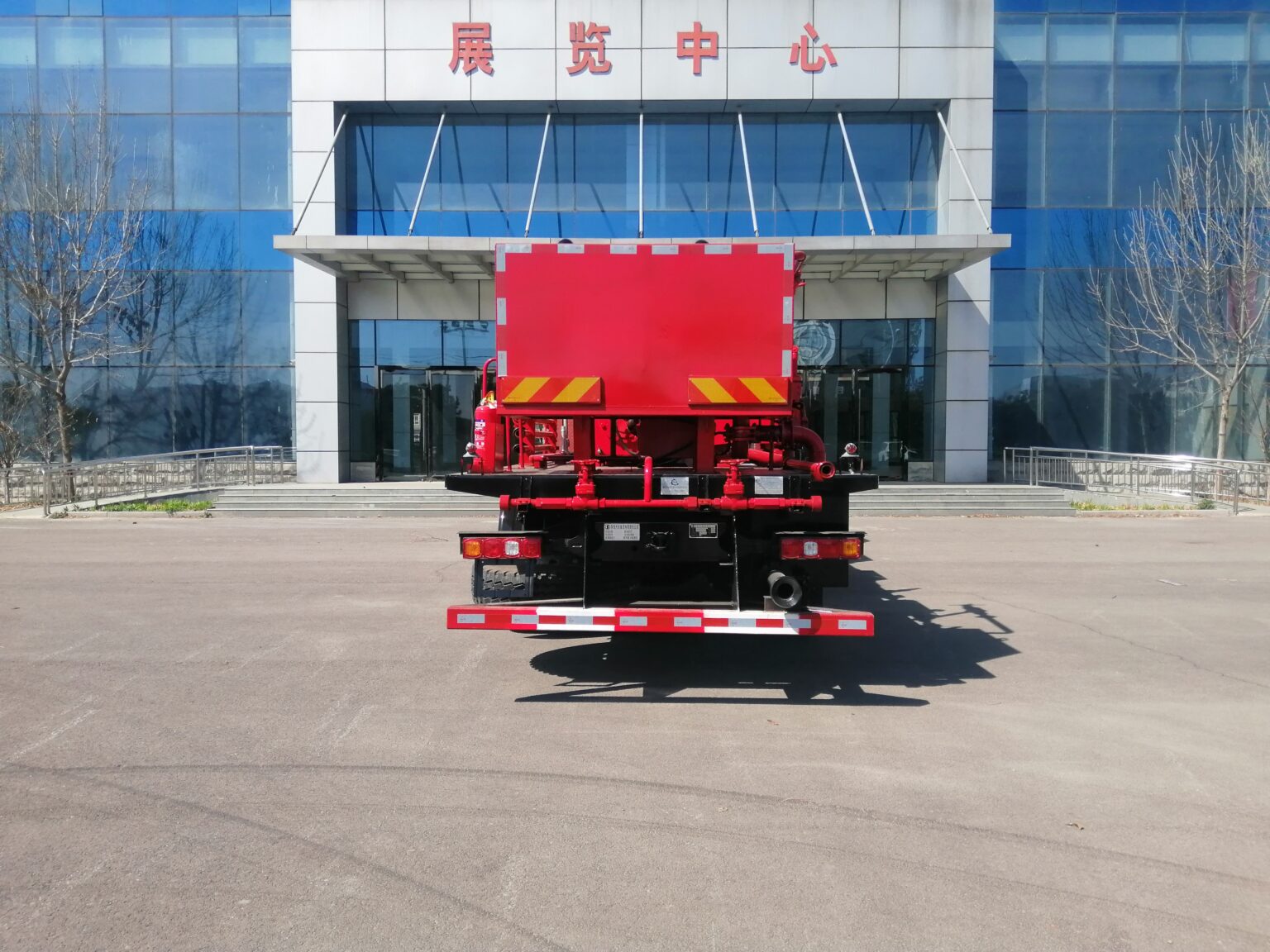
How Vance Petro Supports Practical Field Use
Henan Vance Petroleum Machinery Co., Ltd. can help buyers review hot oil flushing requirements according to wax severity, well depth, field access, climate, heating demand, pressure limit, and maintenance capability. A practical specification should include the truck layout, pump and heating system, control method, spare parts, and operator training plan.
For a wider view of paraffin removal service, readers can also review Vance Petro’s article on how hot oil flushing trucks improve paraffin removal efficiency. When the maintenance issue is part of a broader field-service package, related products such as the Oilfield Flushing Truck may also be relevant.
Conclusion
A hot oil flushing unit maintenance checklist gives crews a better chance of completing wax removal work safely and repeatably. The best unit for a wax-prone field is not only powerful enough to heat and circulate fluid; it is also easy to inspect, service, clean, and document. Buyers who discuss maintenance access, spare parts, burner reliability, filtration, and post-job reporting before purchase are more likely to build a service fleet that stays useful after the first few jobs.
Continue your equipment research
Compare the equipment pages and technical notes most closely connected to this topic.
- Well Flushing & Wax Removal Truck | Hot Oil Flushing Unit specifications and applications
- Boiler Truck | Oilfield Boiler Unit specifications and applications
- Well Flushing & Wax Removal Truck | Hot Oil Flushing Unit for Oil Production Recovery
- How Hot Oil Flushing Trucks Improve Paraffin Removal Efficiency in Oil Wells