
Oilfield steam generator sizing begins with the steam required by the process, at the pressure and condition needed at the point of use. The generator must support the agreed running load and credible short-term demands while accounting for distribution losses, feedwater conditions and the operating pattern. A large burner rating alone does not establish usable steam output.
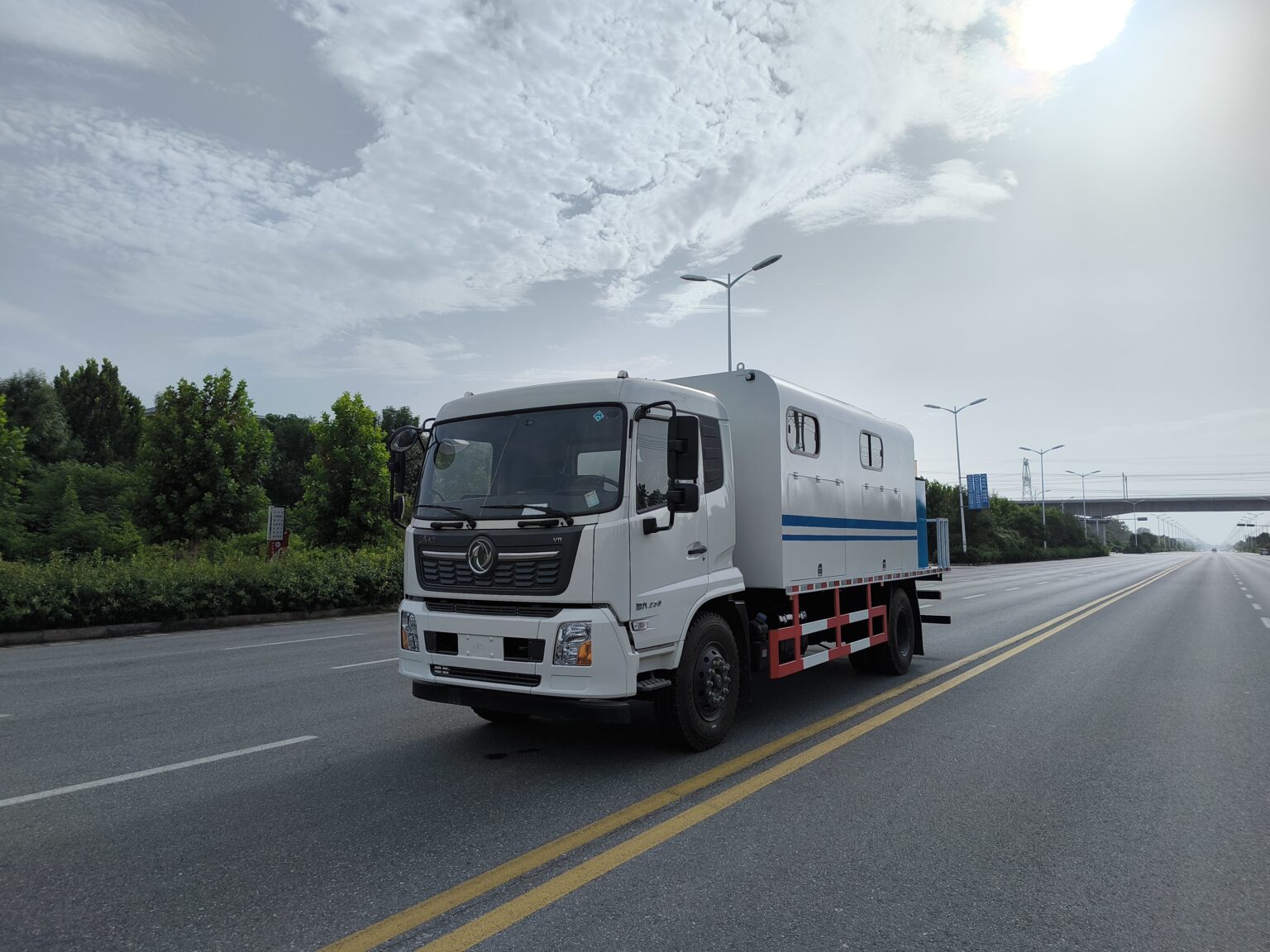
For a mobile project, the sizing review also has to fit the water supply, fuel supply, transport limits and deployment schedule. The oilfield boiler truck is a starting equipment reference, but its final configuration should follow a written duty schedule rather than a single capacity request.
Define the heat user before the steam generator
Identify what receives the heat: a tank, process vessel, line, cleaning operation or another engineered thermal duty. Record starting and target conditions, the amount of material being heated, allowed warm-up time and expected heat loss. Different tasks can require similar peak steam rates but very different operating schedules.
State whether steam is injected directly or transfers heat through a heat exchanger. The energy delivered depends on the actual steam and condensate conditions, while direct-contact applications also need compatibility with the added water. A heating requirement expressed only as “high temperature” does not establish the mass flow or pressure needed.
For initial screening, process engineers relate heat demand to steam mass flow and the useful enthalpy change across the application. The final calculation needs an agreed process model and steam-property basis. This avoids comparing fuel input, boiler output and heat absorbed by the process as if they were the same quantity.
Build a load schedule with separate operating cases
| Operating case | Information to record | Selection implication |
|---|---|---|
| Warm-up | Initial temperature, material quantity and permitted heating time | Defines a temporary demand that may exceed the running load |
| Steady operation | Normal process consumption and heat losses | Establishes the sustained output requirement |
| Simultaneous users | Which consumers can operate together and for how long | Prevents unrealistic addition or omission of loads |
| Low demand | Minimum useful load and idle periods | Supports review of controllability and cycling |
| Future service | Defined additional duty with its expected timing | Keeps expansion allowance separate from current demand |
Consider a truck serving two heat users. If they always warm up sequentially, adding both independent start-up peaks may overstate the requirement. If simultaneous operation is necessary, using only the larger individual load may understate it. Record the operating constraint explicitly so that the supplier does not have to guess.
Specify pressure and steam condition at the delivery boundary
Distinguish generator outlet pressure from pressure at the consumer. The connecting line, fittings, control devices and elevation influence delivery conditions. State line length and the planned interface so that the responsible designer can review pressure loss and condensate management.
Also define what “steam quality” means for the project: for example, a specified dryness condition or a required contamination limit. These are different requirements and need different evidence. A general photograph or nominal capacity statement cannot demonstrate either one.
Do not treat a mobile heating boiler as automatically suitable for a high-pressure reservoir steam-injection program. Such a program introduces a different process and equipment design basis. The proposed operating envelope and application must be confirmed before a model is accepted.
Check water, fuel and climate constraints
Provide a representative feedwater analysis and available water temperature, pressure and flow. Feedwater preparation, storage and delivery form part of the system boundary. Ask what happens if the incoming water falls outside the agreed quality range and which treatment responsibilities belong to the buyer.
Fuel type, quality and supply conditions affect the proposed burner arrangement. Ambient temperature and altitude can also change achievable performance and supporting-system requirements. Request output at the specified site conditions, together with the assumptions behind it, instead of relying solely on a reference rating.
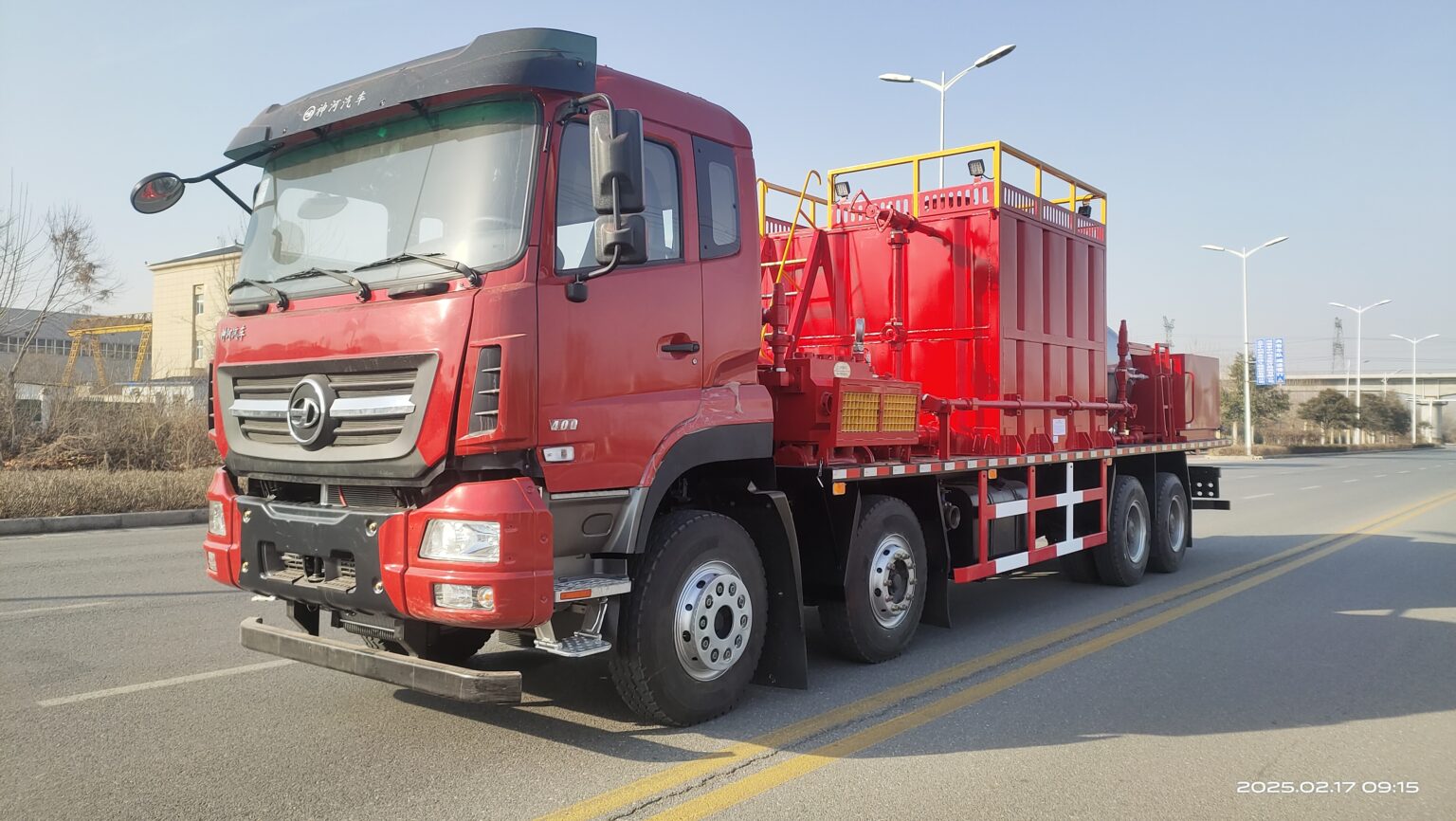
If the application actually requires heated-liquid circulation, review the hot-oil flushing equipment as a separate option. Similar thermal objectives do not mean that the steam and hot-oil operating methods are interchangeable.
Agree usable output and acceptance evidence
The purchase specification should define steam output with its pressure, condition, feedwater basis and operating duration. List the measurement method, instruments, stable operating period and permitted deviations. Capacity must be demonstrated within the agreed test boundary rather than inferred from burner size.
A factory test may use services different from the destination site. Record those differences and identify any checks reserved for commissioning. The supplier and buyer should agree how the evidence supports the selected duty, including any limitations of the test arrangement.
For a seasonal or intermittent requirement, the existing mobile boiler rental-versus-purchase guide addresses ownership decisions. Use a common duty schedule for that comparison so that the alternatives supply the same useful service.
Information to send for a sizing review
- Process description, heat users and heat-transfer method.
- Warm-up time, running demand and simultaneous-use schedule.
- Required delivery pressure and steam condition.
- Line layout, site climate and altitude.
- Feedwater analysis, water availability and fuel information.
- Transport limits, document needs and acceptance expectations.
Share this duty schedule with Vance Petroleum to discuss a suitable mobile steam configuration. A documented load basis makes the capacity recommendation easier to evaluate and keeps unnecessary margin, missing services and mismatched operating assumptions visible before purchase.
Continue your equipment research
Compare the equipment pages and technical notes most closely connected to this topic.