
A triplex plunger pump price is only comparable when the duty and delivery boundary are the same. One offer may include a bare pump; another may include the driver, transmission, lubrication system, base, controls and factory checks. Before comparing totals, establish the required pressure and flow together, the fluid properties, operating hours and exactly what the buyer must supply.
This guide is for oilfield procurement teams evaluating a new pumping package. Prices for small pressure-washer pumps, used machines and unrelated branded replacement pumps do not provide a reliable budget for an oilfield unit. Start with the triplex plunger pump product scope and request a configuration matched to the intended service.
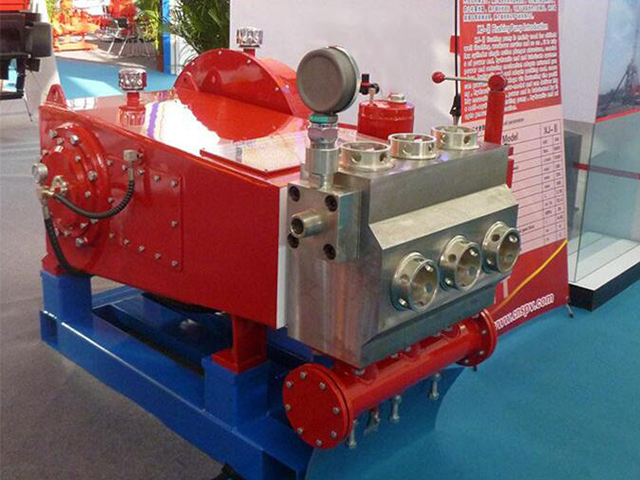
What does the quoted pump price actually include?
Ask each supplier to mark every item as included, optional, excluded or buyer-supplied. A line that is simply absent from a quotation remains unresolved. The difference matters when the equipment arrives and cannot be connected, driven or controlled without further procurement.
| Offer boundary | Scope to identify | Work remaining for the buyer |
|---|---|---|
| Bare pump | Power end, fluid end, supplied lubrication fittings and named accessories | Select and integrate the driver, base, transmission and protective systems |
| Pump and driver | Pump, motor or engine, coupling or reduction arrangement, mounting | Confirm controls, services, piping and installation responsibilities |
| Complete pumping package | Defined mechanical, electrical, control and utility boundaries | Provide the agreed site services, connections and commissioning support |
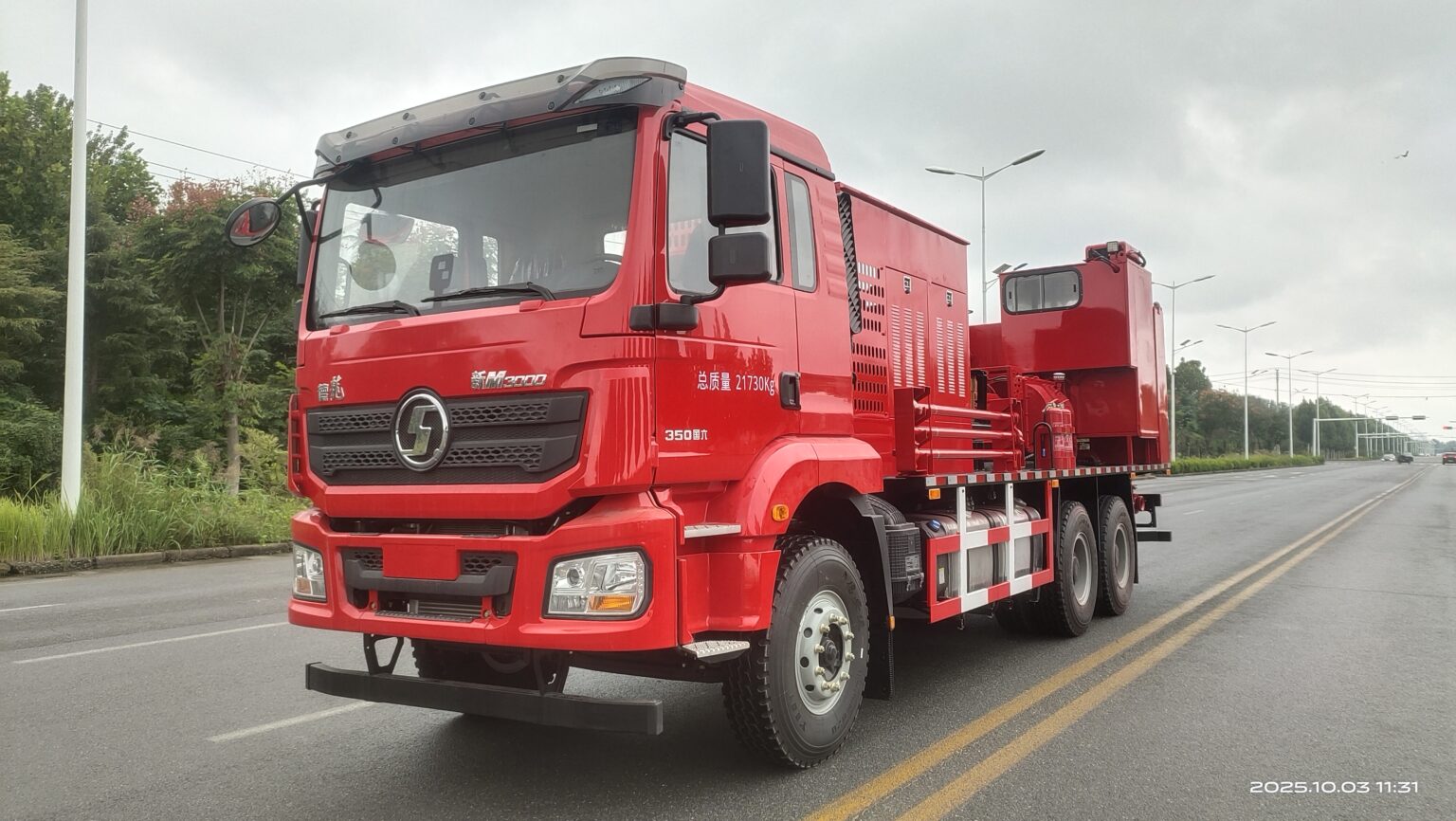
| Truck-mounted unit | Process package, chassis, mounting, access and vehicle documents | Review destination suitability and site operating readiness |
The phrase “complete package” is not a specification. Require a component list and a boundary drawing showing suction and discharge connections, power input, control interfaces and all services needed for operation.
Put both quotations on the same operating basis
Send a duty table with normal, minimum and maximum operating cases. Pair pressure with the flow needed at that pressure, then identify expected continuous running time and start-stop frequency. A quoted maximum pressure and maximum flow may describe different operating points rather than a simultaneous capability.
Fluid temperature, viscosity, solids and chemical compatibility influence the fluid end, plungers, seals, valves and suction arrangement. State whether the unit handles clean water, cement slurry or another defined service fluid. Do not assume that two pumps with similar nameplate ratings are interchangeable across those duties.
Ask for the proposed operating speed, drive rating and relevant mechanical limits, together with the assumptions used to select them. The supplier should also identify inlet conditions and any charge-pump requirement. These details belong in the comparison before the buyer decides that the lower-priced pump is sufficient.
Separate equipment cost from integration cost
A bare pump can be the sensible purchase when the buyer already has an engineered base and a compatible driver. It becomes less attractive if the site must source a reduction drive, redesign the mounting or develop controls after delivery. Assign an owner to each interface and obtain the relevant drawings before placing the order.
For a complete package, review alignment responsibilities, guards, lubrication, cooling, service access and the control boundary. Confirm whether protective devices, instruments and their supporting connections are supplied and documented. If a truck package is intended, compare against the cementing truck integration requirements rather than treating the pump as an isolated purchase.
Compare service support and verification on equal terms
Two similar machines can have different ownership costs because of parts availability, repair access and documentation. Request the recommended initial spares, identification references, special tools and replacement lead-time assumptions. Separate normal consumables from major replacement assemblies so that the initial spare kit remains useful and proportionate.
The existing triplex pump spare-parts guide helps identify questions about wear items. Use it to prepare the support section of the offer comparison, then obtain part numbers for the actual proposed configuration. A generic catalogue list is not an adequate substitute.
Agree the inspection and test scope before awarding the order. Identify the instruments, recorded operating points, acceptance conditions and documents to be issued. A short no-load demonstration establishes different evidence from a documented performance run; neither should be described as the other.
A practical quotation comparison sheet
- Record the same fluid, pressure-flow cases and operating hours for every offer.
- List the pump, driver, transmission, base, controls and accessories separately.
- Identify buyer-supplied services and integration work.
- Separate equipment price, options, spares, inspection, commissioning and transport.
- Confirm document language, drawings and maintenance information.
- Record exclusions and unresolved deviations beside the quoted total.
For example, if Offer A supplies the pump only and Offer B includes the driver and controls, compare A plus the missing integration scope against B. Do not invent a standard allowance: obtain estimates for the actual missing items. Delivery terms and destination obligations also need the same basis.
To request a project-specific comparison, send Vance Petroleum your pump duty and required package boundary. Include the fluid information, paired pressure-flow cases, power preference, destination and scope checklist. This gives the technical team a usable basis for explaining the quotation instead of returning a price for an undefined pump.
Continue your equipment research
Compare the equipment pages and technical notes most closely connected to this topic.