
In pressure-pumping work, triplex plunger pump parts are not a small purchasing detail. They decide how quickly a crew can recover from wear, whether the pump stays available during a fracturing schedule, and how much downtime is hidden inside routine maintenance. A triplex plunger pump may be bought as one unit, but it is kept alive by the parts program around it.
This guide is written for service companies and fleet buyers who need a practical spare-kit plan for fracturing service. It is not a catalog list. The focus is what to stock, what to inspect, and how to keep pump maintenance from becoming a field delay.
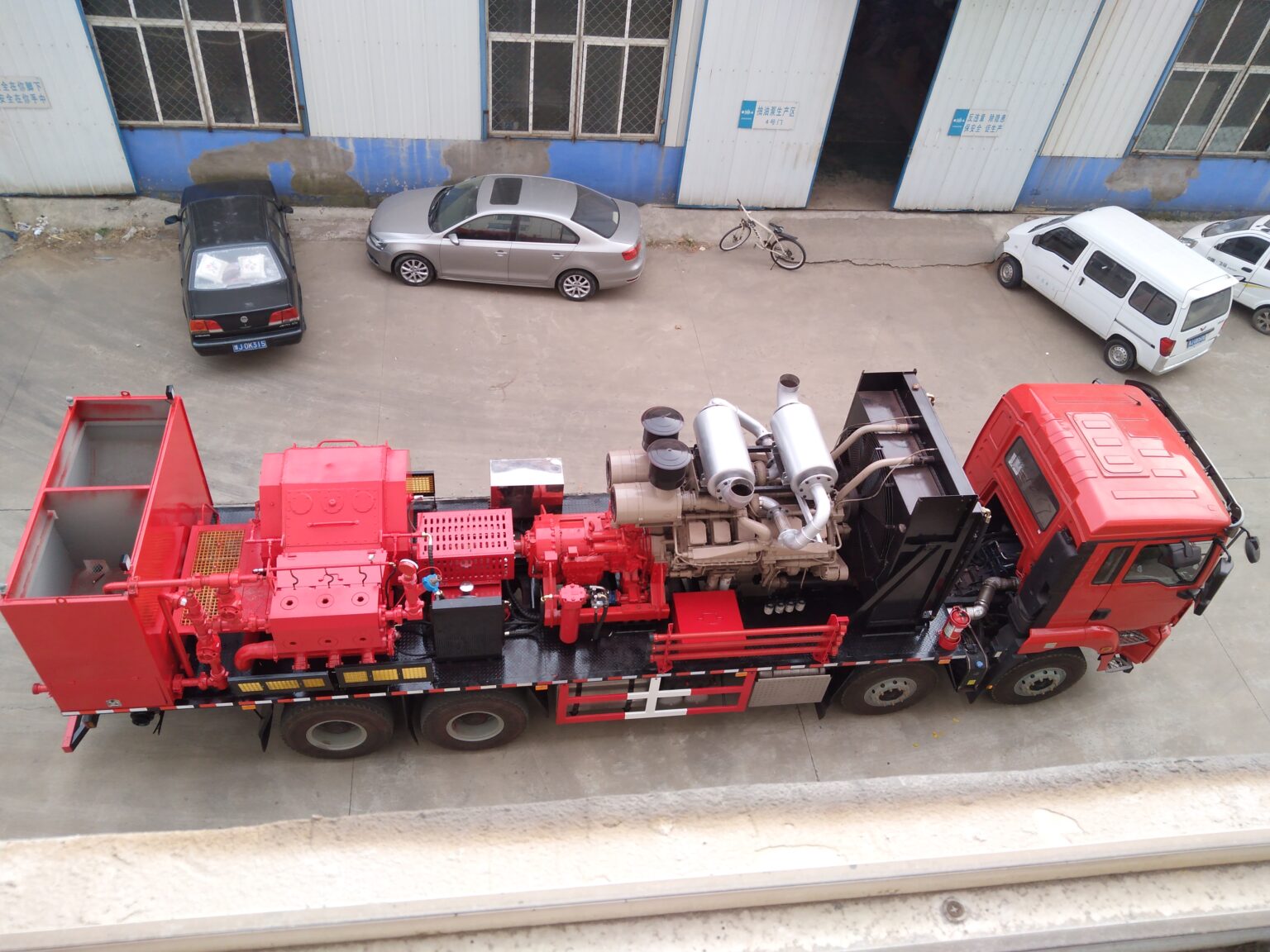
Parts That Usually Deserve Early Attention
| Part Group | Field Concern | Buyer Note |
|---|---|---|
| Fluid end wear items | High-pressure service accelerates wear | Stock according to working pressure, fluid condition, and service frequency. |
| Valves and seats | Poor sealing causes pressure instability | Inspect after difficult jobs instead of waiting for obvious failure. |
| Plungers and packing | Leaks and heat shorten service life | Match material and maintenance interval to the actual pumping fluid. |
| Lubrication-related parts | Heat and contamination affect reliability | Include oil checks in every service routine, not only during major repair. |
How Parts Planning Changes Fracturing Availability
A fracturing truck can be delayed by a part that looks minor on paper. If the maintenance team has to wait for common wear items, the fleet loses useful working days. For export buyers, that delay can be longer because customs, distance, and local sourcing all add time.
Henan Vance Petroleum Machinery Co., Ltd. can discuss the pump and supporting spare parts as one package. That is usually more useful than buying the pump first and asking about consumables only after the first busy service season.
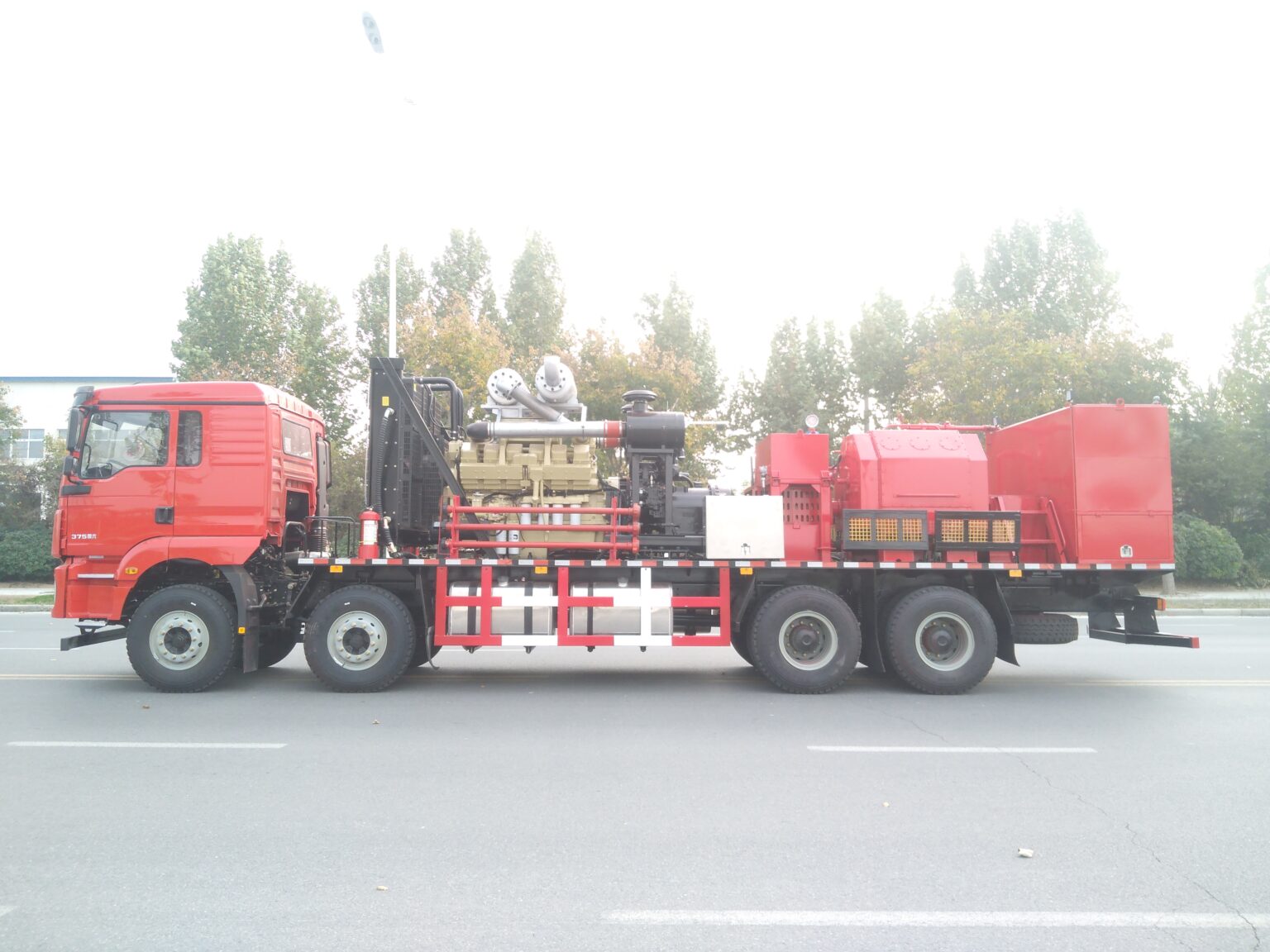
A Spare Kit That Fits Real Work
- Start with job frequency. A pump used occasionally does not need the same stock level as a unit assigned to repeated fracturing service.
- Separate emergency parts from planned maintenance parts. The first group keeps the truck working; the second keeps maintenance predictable.
- Review the connected drivetrain. Pump reliability is also affected by the oilfield transmission box, mounting, and alignment.
- Train the crew to record failure patterns. Repeated packing or valve issues may point to operating conditions, not just parts quality.
Buying Questions
Ask the supplier which parts should be shipped with the pump, which parts are usually stocked for one year of service, and how the list changes for fracturing, flushing, or cementing work. Also ask how maintenance experience should be fed back into the next spare-parts order.
For more background on pump availability, see Vance Petro’s article on triplex plunger pumps and fracturing efficiency. A strong pump matters, but a realistic parts plan is what keeps that strength available in the field.
Continue your equipment research
Compare the equipment pages and technical notes most closely connected to this topic.