
When comparing well testing equipment for sale, buyers should define the test decision before choosing a truck or instrument list. A mobile test package must collect the measurements needed for the planned evaluation while managing the expected fluids, pressure, temperature, flow range and site interfaces. Without that basis, quotations may include different separators, meters, tanks, controls and documentation, making price comparison unreliable.
This guide explains how to prepare a request for quotation for a mobile test well truck. It is intended for production operators, well service companies and procurement teams planning post-workover checks, temporary production evaluation or other project-defined well tests.
Define what the well test must establish
Begin with the operational question. The project may need to confirm whether a repaired well is stable, estimate oil, gas and water rates, observe cleanup after intervention, compare production under different choke conditions or collect data for a temporary production decision. Each objective requires a defined test duration, sampling frequency, expected operating range and data-quality expectation.
Provide available reservoir and completion context, expected wellhead pressure and temperature, anticipated phases, fluid properties, sand or solids risk, gas handling conditions and the likely flow range. These inputs help a supplier configure a mobile test well truck package around the application instead of proposing instruments from a generic list.
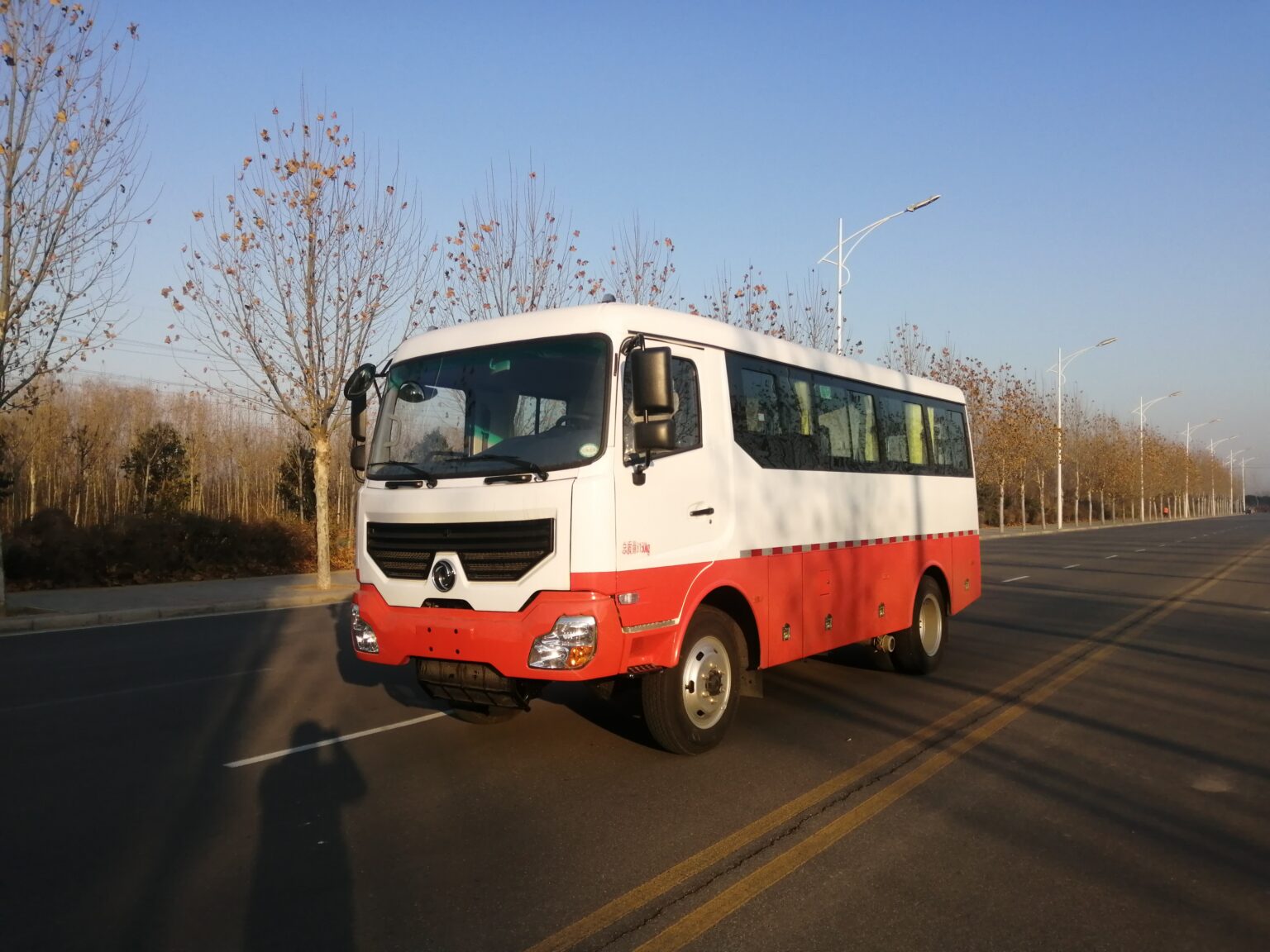
Compare the complete mobile test package
A quotation should identify the process boundary and every major function included. Depending on the application, the package may cover inlet control, pressure reduction, phase handling, separation, metering, sampling, temporary storage, transfer, data acquisition and safety functions. The final arrangement must be confirmed for the actual well conditions and operator requirements.
| Package area | Buyer information | What the offer should define |
|---|---|---|
| Inlet envelope | Expected pressure, temperature, phases, solids and flow range | Design basis, connection, pressure-control boundary and operating limits |
| Fluid handling | Oil, gas and water properties plus disposal or transfer route | Separation, tanks, piping, drains, vents and transfer interfaces |
| Measurement | Required rates, pressures, temperatures, samples and accuracy basis | Meter types, ranges, instruments, calibration scope and recording method |
| Controls and safety | Operator philosophy, alarms, shutdowns and area requirements | Control station, alarm logic, shutdown boundary and protective systems |
| Mobility | Road limits, wellsite space, climate and destination | Chassis, weight, layout, leveling, access and environmental provisions |
Match measurement range to expected well behavior
One instrument range rarely serves every well condition equally well. Ask how the proposed meters and transmitters cover low, normal and maximum cases. Clarify turndown, calibration basis, sampling interval and how data are displayed, stored and exported. The useful measurement plan is driven by the decisions the operator must make, not by the largest number printed on a data sheet.
Define which measurements are primary and which are operational indications. If oil, water and gas rates are required, describe the expected phase behavior and the method by which the project intends to separate or calculate those rates. Sampling points, sample containers and laboratory interfaces should be agreed where fluid characterization is part of the program.
Use the existing mobile well testing equipment layout guide to review placement, access and flow-path questions after the measurement scope has been defined.
Review process interfaces and fluid destinations
The package does not operate in isolation. Identify the upstream wellhead or choke interface and the downstream routes for oil, gas, water and solids. State whether fluids return to a production line, move to temporary tanks, require transfer pumping or follow another operator-approved route. Connection sizes, pressure classes, hose or piping responsibilities and site tie-in points should be documented.
Produced water handling deserves explicit attention. If water must be conditioned for reuse, disposal or discharge, the test truck measurement scope should be coordinated with the separate produced-water treatment package. Do not assume a test truck is a complete treatment plant unless that function is specifically engineered and included.
Controls, alarms and shutdowns
Review where the operator sees inlet pressure, process pressure, temperature, levels, rates and equipment status. Define alarms and shutdowns against the operator’s risk assessment and the package boundary. Clarify which valves are manual or actuated, how loss of power or instrument air is handled and what event or trend data are retained.
Chassis and field layout
Provide destination-country road constraints, axle or dimensional limits, terrain, ambient range, altitude and available wellsite space. The proposed chassis and deck layout should allow safe access to instruments, valves, samples, drains and routine service points. Leveling, lighting, enclosure, ventilation and winterization or high-temperature measures should be discussed as project requirements.
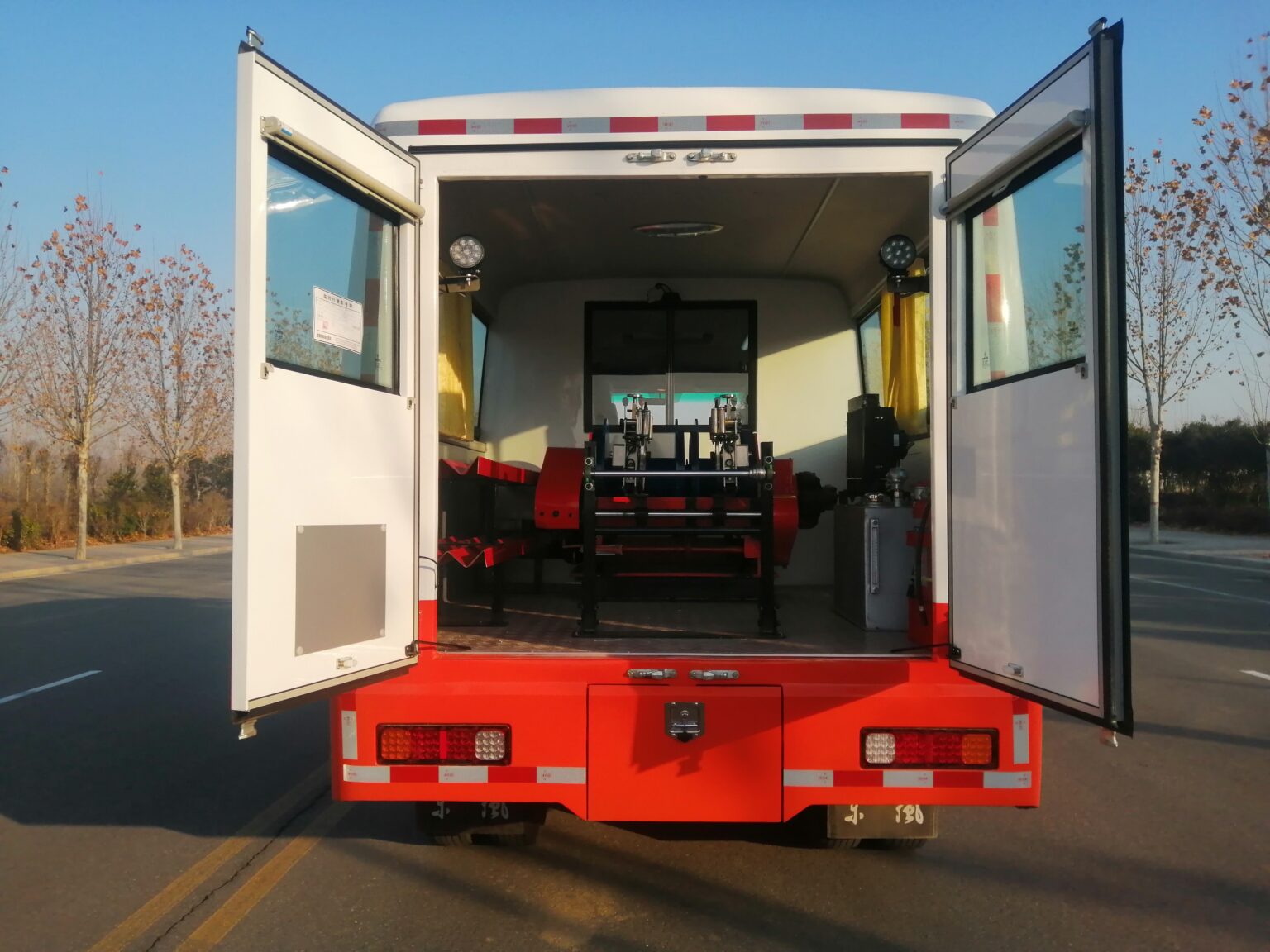
New and used well testing equipment need different checks
For new equipment, require a project data sheet, process description, drawings, instrument list, control narrative, inspection plan and document schedule. Confirm how calibration certificates, pressure-test records, manuals and spare-parts information will be delivered.
For used well testing equipment, request serial information, service history, previous fluid exposure, pressure-system records, instrument calibration status, control-system support and photographs of process equipment—not only the vehicle exterior. Identify obsolete instruments or software and determine whether suitable replacements are available. Any modification should be reflected in drawings or recorded in an as-inspected report.
A refurbished package should have an itemized work scope. State which vessels, piping, valves, meters, instruments, pumps, controls and chassis items were inspected, repaired, replaced and tested. Cosmetic work alone does not establish measurement quality or pressure-system condition.
Normalize price and delivered scope
Well testing equipment price changes with pressure and temperature envelope, fluid phases, separation and storage scope, metering technology, instrument ranges, data acquisition, chassis, climate package, documentation and inspection requirements. Compare offers by an agreed boundary rather than the total on the first quotation page.
- Process equipment: inlet control, separation, tanks, piping, valves, pumps and transfer interfaces.
- Measurement and controls: meters, instruments, data recording, alarms and shutdown functions.
- Mobility: chassis, deck, enclosure, access, lighting and climate provisions.
- Verification: inspections, calibration, function checks, pressure tests and issued records.
- Readiness: commissioning, training, recommended spares, tools and initial consumables.
- Delivery: packing, freight, import responsibilities and final-site handling.
If the operating plan includes extended temporary production rather than a short evaluation, compare the test package with the role of an oil production support truck. The correct equipment family depends on duration, fluid routing and the operator’s production objective.
RFQ checklist for well testing equipment for sale
- State the test objective, duration and decisions the data must support.
- Provide expected pressure, temperature, phase composition and flow ranges.
- Describe solids, sand, corrosion, sour-service or fluid-compatibility concerns where applicable.
- List required measurements, ranges, samples, calibration and data outputs.
- Define upstream and downstream interfaces for every fluid phase.
- State controls, alarms, shutdown and hazardous-area requirements selected for the project.
- Provide road, climate, site-space, chassis and destination constraints.
- Define inspection, pressure-test, calibration and witness requirements.
- Request drawings, manuals, parts lists, certificates and document language.
- Confirm training, commissioning, spares, delivery schedule and commercial boundary.
Vance Petroleum can review these inputs for a project-specific mobile test truck configuration. Send the well conditions, measurement objectives, fluid routes and destination through the technical inquiry form for a focused technical and commercial response.
Continue your equipment research
Compare the equipment pages and technical notes most closely connected to this topic.