
A hot oil truck burner should be selected against the required heating duty, available fuel specification and the heater's combustion design. Diesel and gas options are not interchangeable simply because their nameplate heat inputs look similar. For a buyer, the central question is whether the complete fuel and combustion package can deliver the required duty under the actual site conditions.
This comparison supports enquiries for a hot oil flushing and wax removal truck. It does not establish that every Vance configuration accepts both fuels. Confirm the proposed burner, fuel system and heater combination in writing before ordering, and do not interpret a dual-fuel option as permission to introduce an unapproved fuel.
Start with useful heat, not only burner input
Provide the fluid type, inlet temperature, required outlet temperature, flow range and expected operating period. The heat transferred to the process fluid is different from the burner fuel input. Ask the supplier to state how the heating requirement, heat losses and proposed heater performance are related, and under which ambient and fuel conditions the quoted duty applies.
A buyer who compares only nominal burner capacity can miss limitations elsewhere in the package. Coil design, permitted fluid temperature, flow protection, combustion chamber geometry and exhaust arrangements all matter. The correct comparison is the delivered heating duty of the assembled unit, within its approved operating envelope, rather than the largest number on a component brochure.
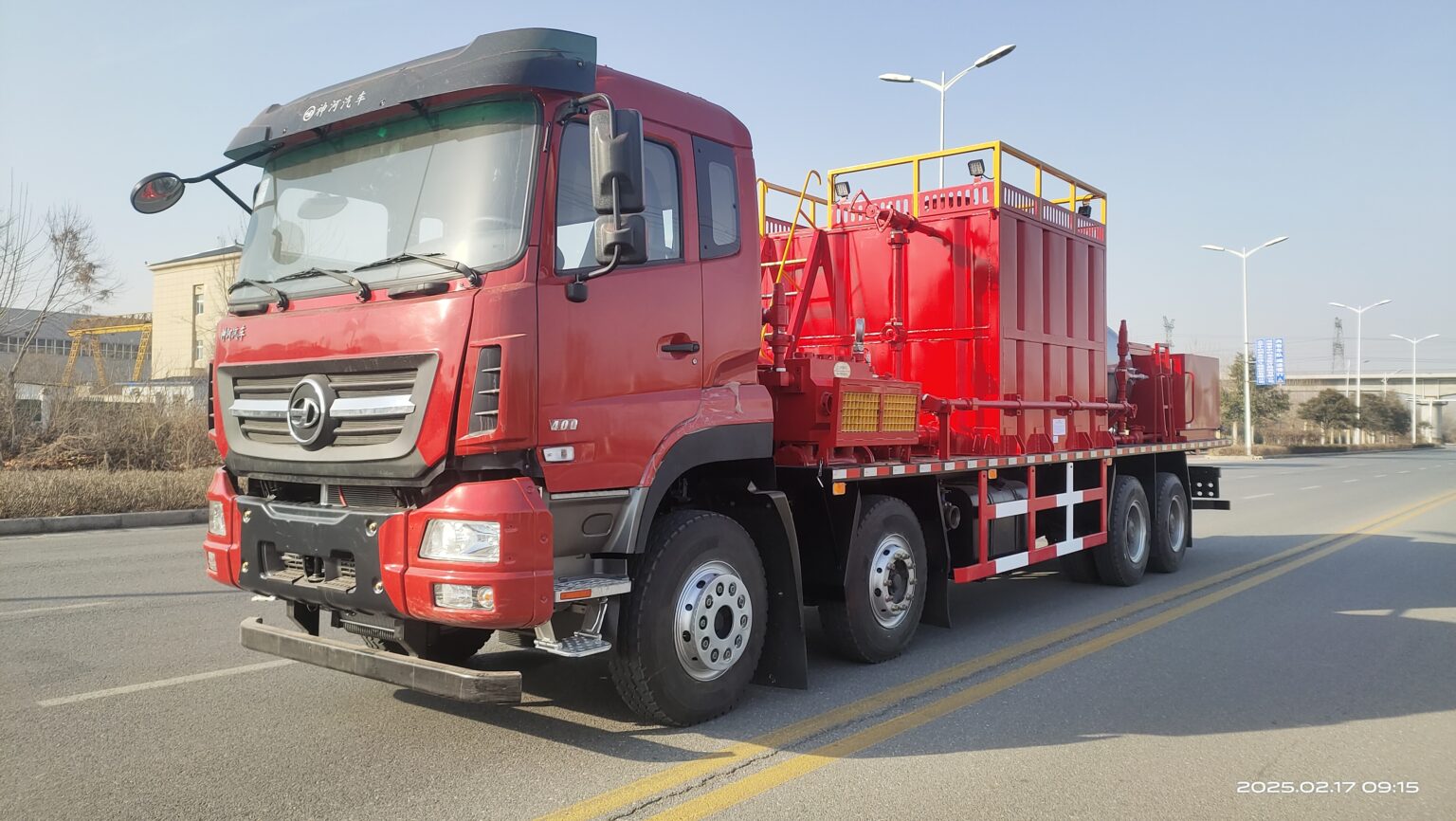
Diesel versus gas: what changes in the quotation?
| Buyer question | Liquid-fuel proposal | Gas-fuel proposal |
|---|---|---|
| Fuel description | State the approved grade and relevant fuel properties. | State composition, heating value and supply variation. |
| Supply arrangement | Identify tank, transfer, filtration and any conditioning scope. | Identify inlet conditions, regulation and gas-train scope. |
| Remote-site logistics | Review refuelling access and storage responsibility. | Review whether a suitable and dependable supply exists. |
| Acceptance basis | Use the agreed fuel specification for performance checks. | Use the agreed gas specification and supply conditions. |
Do not assume locally available field gas is suitable for a burner described simply as gas-fired. Composition and contaminants can differ, while available pressure may vary during the job. Have the proposed fuel reviewed by the equipment supplier and the site's responsible specialists. Fuel preparation or an alternative supply may be required; it should not become an undisclosed buyer responsibility after delivery.
Check the hot oil truck burner and heater as one system
When reviewing an oilfield burner configuration, request the burner model, approved fuel range, firing range, combustion-chamber matching information and control description. A replacement selected only by physical mounting size or headline capacity may not be compatible with the existing heater. Changes require engineering review, not an improvised field conversion.
Ask how the package supervises flame condition and the process conditions needed for heating. The supplier should describe alarms, shutdown functions and the verification included in commissioning. This is a request for documented protection and testing; operators must follow the approved manual. Buyers should never treat a purchasing guide as instructions for changing ignition sequences or bypassing protective devices.
When does a dual-fuel option make commercial sense?
A dual-fuel proposal deserves consideration when two approved fuels are realistically available and the operational value of flexibility justifies the additional equipment and support. Confirm whether both fuels meet the same required process duty, what changes between modes and which components are included. A label alone does not establish equal capacity or automatic changeover.
As a terminology reference, Riello's RLS series documentation identifies dedicated gas/oil dual-fuel burners. That illustrates the need for a purpose-designed arrangement; it is not evidence that a particular Vance truck uses that burner or has the same approvals. The actual supplied model and accepted fuel specification must appear in the contract documents.
Compare operating costs on consistent assumptions
Request estimated fuel use at an agreed heating duty and state whether auxiliary power is included. Compare costs per completed service duty using the same operating hours and process conditions. A lower purchase price can be offset by fuel delivery costs, conditioning requirements, spare-parts availability or interruptions to the proposed supply.
Use the new versus used hot oil truck checklist when the choice also involves equipment condition. A used heating package needs a documented condition assessment and compatibility review; changing its burner does not by itself establish that the complete heater is suitable for a new duty.
A practical fuel-selection enquiry
Prepare the heating-duty schedule, fluid properties, proposed fuel data, site ambient range and destination requirements. Ask bidders to identify included tanks or gas components, controls, commissioning tests, spare parts and exclusions. Require any claimed consumption figure to state its test or calculation basis rather than accepting an unexplained percentage saving.
Discuss your hot oil heating duty and available fuel with Vance before choosing the burner arrangement. The most useful proposal is one that makes the fuel assumptions visible, matches the complete heater and explains what the buyer must provide on site.
Continue your equipment research
Compare the equipment pages and technical notes most closely connected to this topic.