
When evaluating an oilfield hot oil truck for sale, the first decision is not simply new versus used. Buyers need to establish whether the heating, storage and circulation package can perform the intended wax-removal, well-flushing or line-heating duty in the actual climate and field conditions. A lower purchase price has little value if the unit cannot reach the required operating window, cannot be registered in the destination market or arrives without maintainable controls and pressure-system records.
This checklist gives oilfield service companies and procurement teams a consistent way to compare new, used and rebuilt hot oil trucks. It focuses on equipment condition, project fit and delivered scope rather than an advertised model year alone.
Start with the hot-oil service duty
A seller cannot propose a useful configuration without understanding what the unit will do. Define whether the work involves paraffin removal in producing wells, heated circulation through flowlines, well cleanout support, tank or pipeline heating, or a combination of tasks. Record the fluid to be heated, expected inlet and target temperatures, circulation pressure and rate, tank volume, job duration, ambient conditions and typical distance between the yard and wellsite.
These inputs determine whether a candidate oilfield hot oil truck for sale has an appropriate heater, coil, tank, pump, power source and control arrangement. Do not treat published maximum temperature, pressure and flow as simultaneous operating values unless the seller provides an agreed performance envelope for the complete system.
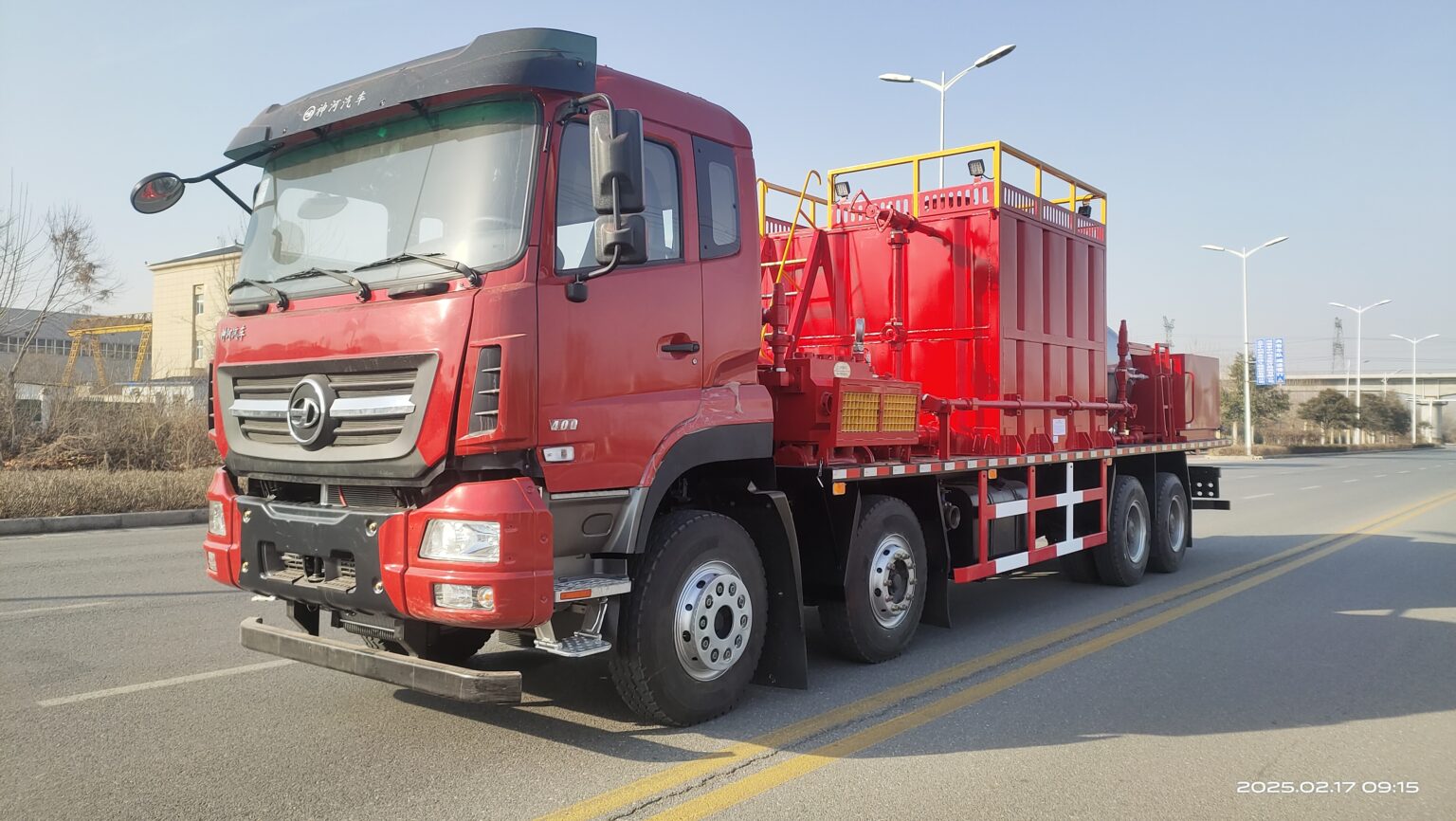
New, used or rebuilt: what are you actually buying?
A new truck gives the buyer the clearest opportunity to match heating capacity, tank arrangement, circulation duty, chassis, controls and documentation to a defined project. It should still be purchased against a signed technical specification. “New” does not automatically mean the proposed package fits the required fluid, climate, road limits or destination rules.
A used truck may offer a shorter acquisition schedule and a lower initial price, but its value depends on condition and supportability. Ask for the equipment serial information, manufacturing year, operating-hour records where available, maintenance history, previous fluids, repairs, pressure-test records and control-system details. Photographs should cover the heater, coil, tank, pump, piping, valves, power train, chassis frame, operator station and identification plates—not only the freshly painted exterior.
A rebuilt unit sits between those categories, but the term has no useful meaning without a work scope. The seller should identify which components were inspected, measured, repaired or replaced; which tests were completed; and which parts remain in used condition. A cosmetic refurbishment should not be priced or evaluated as a mechanical and pressure-system rebuild.
| Purchase route | Main advantage | Primary buyer risk | Evidence to request |
|---|---|---|---|
| New | Configuration can be aligned with the intended duty and destination | Unclear project scope or assumptions hidden behind a standard model | Data sheet, component list, drawings, inspection plan and document schedule |
| Used | Potentially lower initial cost and faster availability | Unknown condition, unsupported controls or poor destination fit | History, inspection photographs, function checks, test records and parts availability |
| Rebuilt | Selected systems can be renewed without replacing every component | “Rebuilt” may describe appearance rather than mechanical condition | Itemized rebuild scope, replaced-parts list, measurements and post-rebuild tests |
Inspect the systems that drive performance and ownership cost
Heater, burner and coil
Confirm the heater design basis, fuel, burner control, combustion chamber condition and coil material. On used equipment, inspect for deformation, localized overheating, corrosion, erosion, scaling, repairs and evidence of leaks. Ask how the coil was cleaned and tested and what acceptance criteria were used. The burner, fuel system, flame supervision, temperature control and shutdown logic should be reviewed as one safety-related system.
The existing hot oil truck coil and wax-removal buyer guide provides additional questions for comparing the thermal section. Final allowable temperature and pressure must come from the agreed equipment design and inspection basis, not from a generic market listing.
Tank, piping and circulation pump
Review usable tank capacity, internal condition, insulation, access, drains, vents and level indication. Trace the intended circulation path through the pump, heater, manifold and return system. Verify valve type, pressure class, hose connections, relief arrangements and guarding against the project specification. For a used unit, look for improvised piping, incompatible fittings, damaged supports and undocumented modifications.
The circulation pump must be evaluated at the required fluid viscosity and temperature. Ask for the proposed pressure-rate envelope, drive method, seal arrangement, maintenance access and recommended spares. If the work is primarily debris or sand circulation without a thermal requirement, compare the package with an oilfield flushing truck rather than paying for a heating system the job does not need.
Chassis, power and roadworthiness
Chassis brand, engine, transmission, axle loads, tires, brakes and frame condition affect both field reliability and registration. International buyers should confirm whether the chassis can be supported locally and whether its emissions, dimensions, axle loads, lighting and documentation suit the destination. Inspect the interface between the process package and the vehicle frame for cracks, corrosion, loose mounting points and unrecorded modifications.
Climate matters as well. Cold-weather starting, fuel behavior, insulation, exposed lines and operator protection may be critical in winter service, while cooling, hose life and electrical enclosure selection require attention in hot climates. These requirements should be listed before a seller selects or modifies the vehicle.
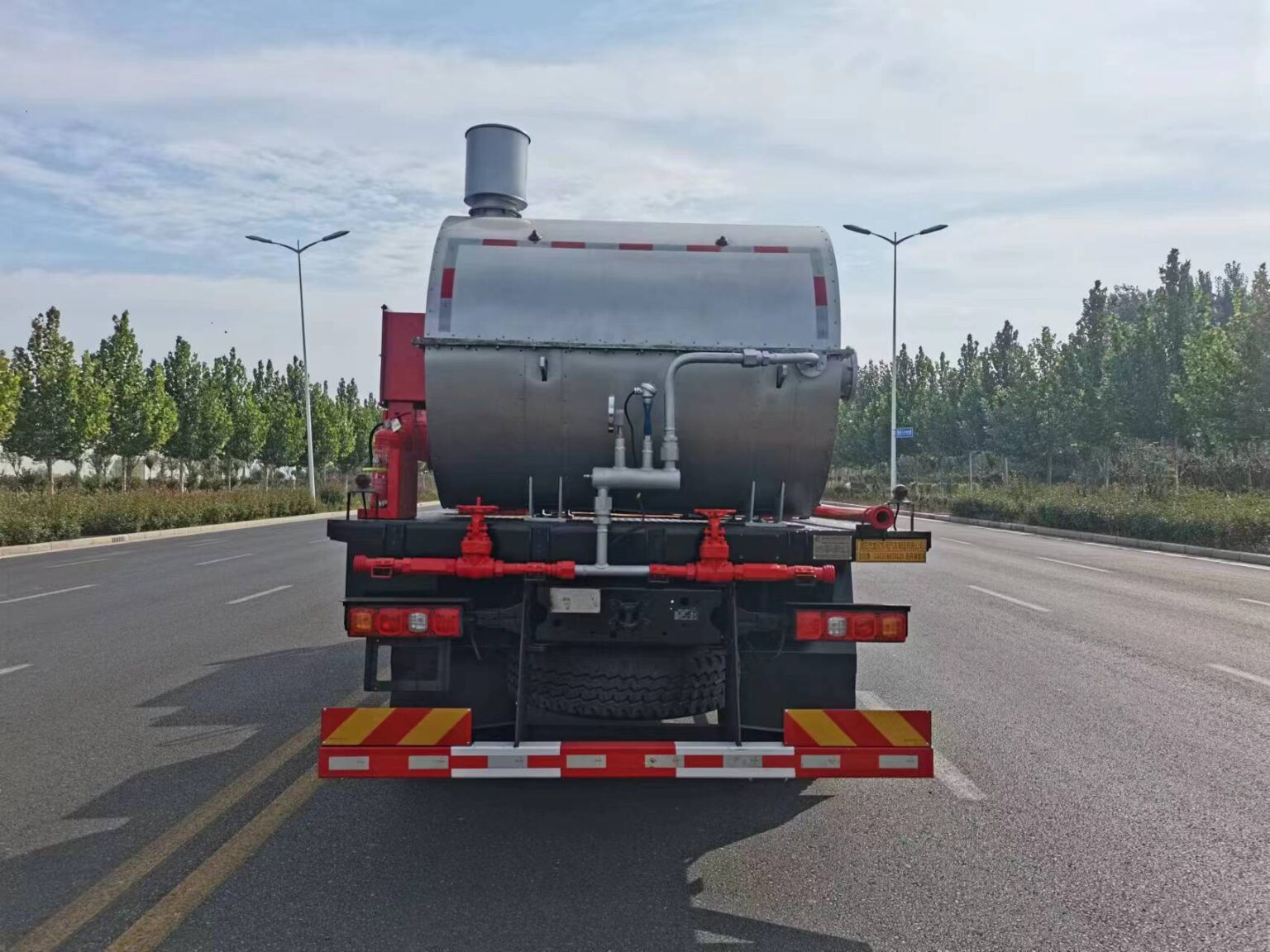
Compare total delivered scope, not advertised price
The cost of a hot oil truck changes with heating duty, tank volume, pump selection, chassis, controls, climate package, inspection scope and documentation. Used-equipment pricing also reflects condition, remaining component life and the work needed before operation. Because those variables are not standardized, a responsible comparison converts each offer into the same commercial boundary.
- Equipment included: truck, heater, burner, coil, tank, pump, manifolds, hoses, controls and accessories.
- Condition and corrective work: inspection findings, repairs, replacements, cleaning, repainting and unresolved defects.
- Verification: function checks, agreed pressure tests, burner checks, instrument checks and issued records.
- Operating readiness: commissioning, training, initial consumables, recommended spares and special tools.
- Delivery boundary: export packing, inland transport, freight, insurance, import obligations and final-site unloading.
Estimate downtime and parts risk as part of the commercial review. An older control, burner or chassis package may be serviceable, but only if compatible replacement parts and technical information are available. A new unit can also create support problems when proprietary components are selected without considering the buyer’s local maintenance capability.
Documents and tests to settle before the order
For a new unit, request the proposed data sheet, general arrangement, major-component list, process or piping information, electrical details, operating and maintenance manuals, spare-parts recommendation and inspection plan. State the required language and document review schedule in the purchase order.
For used or rebuilt equipment, request the available original documents plus an as-inspected condition report. Modifications should be reflected in drawings or clearly listed. Agree which systems will be function-tested, which pressure-containing boundaries will be tested, what burner and shutdown checks will be performed, who may witness the work and which records will be issued. Applicable requirements must be selected for the actual equipment, service and destination by the responsible parties.
If the project instead requires steam or hot-water generation rather than hot-oil circulation, review the mobile boiler truck product scope. Choosing the correct equipment family before quotation is more efficient than trying to convert an unsuitable package later.
RFQ checklist for an oilfield hot oil truck for sale
- Describe the wells, lines or facilities to be heated or circulated.
- Provide fluid properties and expected inlet and target temperatures.
- State normal and maximum circulation pressure, rate and job duration.
- Define tank-volume needs, fuel availability and preferred power arrangement.
- List ambient temperature, altitude, road conditions and destination country.
- Identify chassis preferences, axle or dimensional limits and local service constraints.
- State control, data-recording, alarm and emergency-shutdown expectations.
- Define inspection, testing, documentation, training and spare-parts scope.
- For used equipment, request condition evidence and an itemized corrective-work list.
- State the delivery location, schedule and commercial delivery boundary.
Vance Petroleum can review these inputs for a project-specific new hot oil and wax-removal truck configuration. Send the service duty, thermal and circulation requirements, destination and requested documentation through the technical inquiry form. A complete request makes it easier to compare the proposed package against used or rebuilt alternatives on equal terms.
Continue your equipment research
Compare the equipment pages and technical notes most closely connected to this topic.