
An oilfield transmission box may look like a support component, but in pressure pumping and truck-mounted service equipment it can decide whether power reaches the pump smoothly. Torque shock, heat buildup, lubrication problems, misalignment, and vibration can shorten equipment life or stop a job before the main pump reaches its planned service hours.
This reliability note explains how buyers can discuss torque and heat management when selecting transmission components for oilfield trucks, fracturing fleets, cementing units, flushing trucks, and related field equipment.
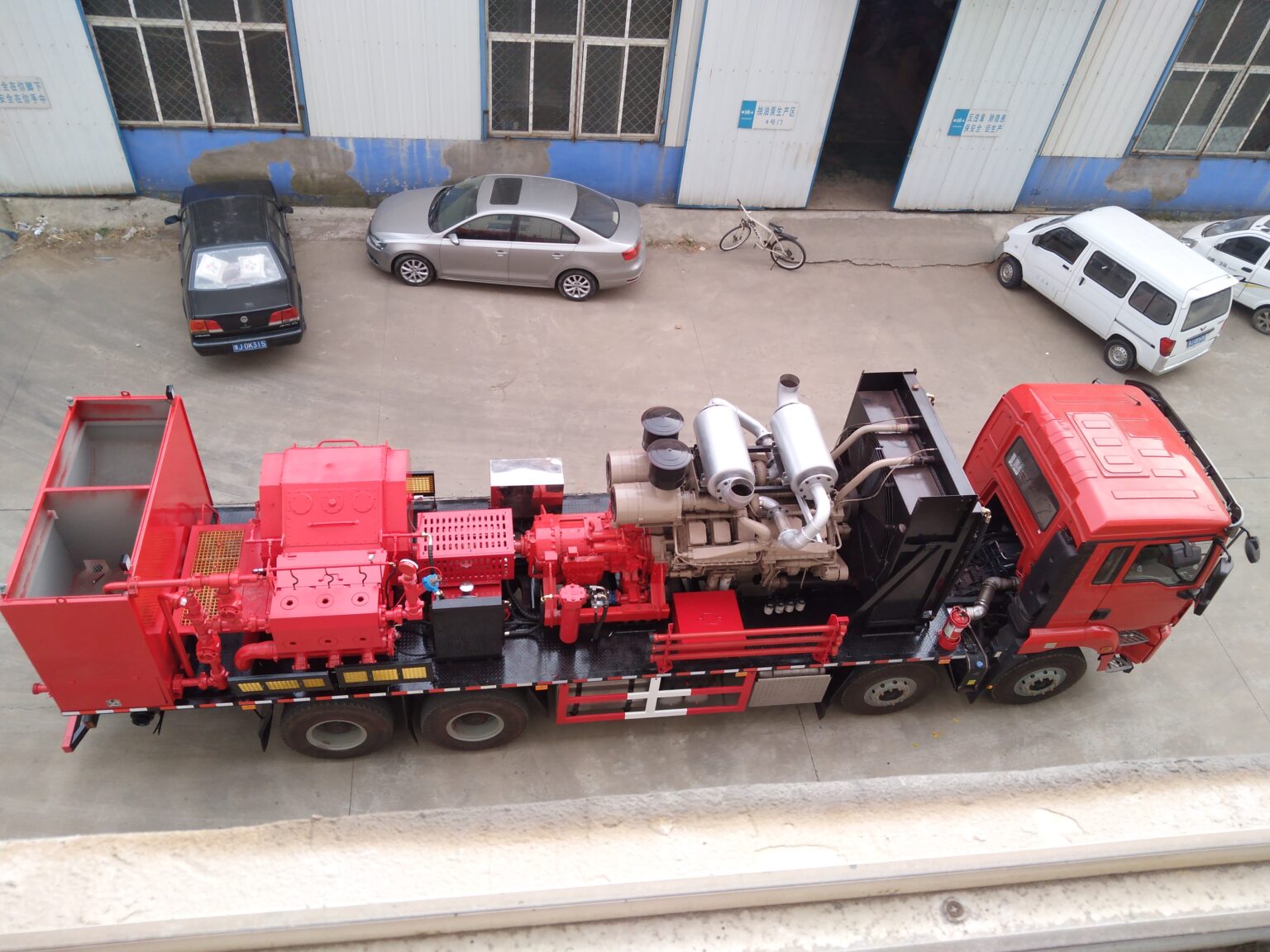
Why Torque and Heat Need Early Review
Oilfield trucks often work under repeated load changes. A pump may ramp up, hold pressure, slow down, and restart many times during a shift. Each load change moves through the drivetrain. If the transmission box is not matched to the duty cycle, heat and wear can appear even when the nominal rating looks acceptable.
Reliability Checklist for Buyers
- Define maximum torque, normal working torque, speed range, and expected duty cycle.
- Review cooling conditions, ambient temperature, mounting space, and airflow around the unit.
- Confirm lubrication method, oil inspection access, drain points, and service interval.
- Check alignment requirements between engine, PTO, pump, and auxiliary drive components.
- Prepare spare seals, bearings, fasteners, gauges, and maintenance documentation for remote fields.
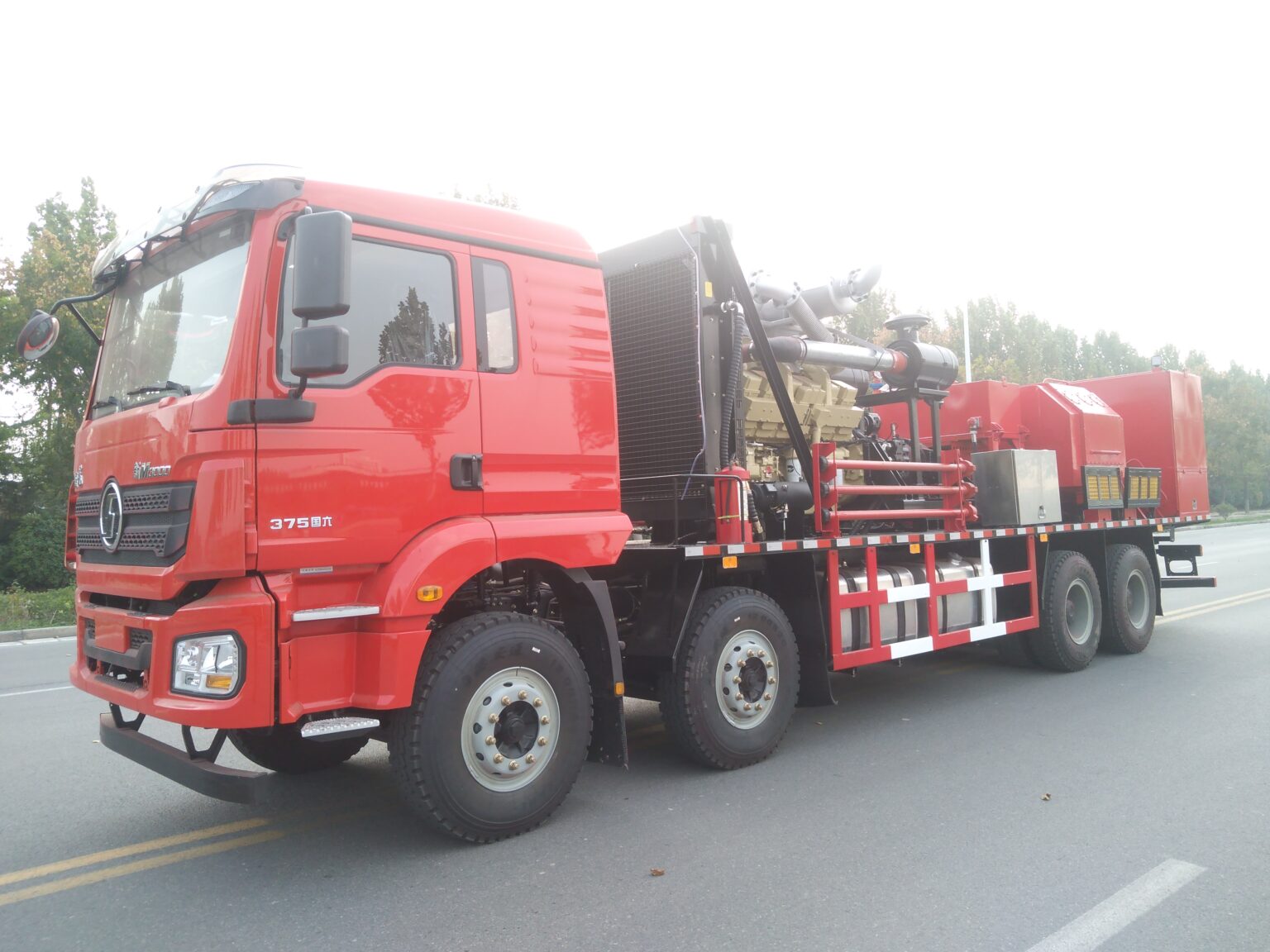
Common Failure Signals
| Signal | Possible Cause | Recommended Response |
|---|---|---|
| Rising case temperature | Overload, poor lubrication, weak cooling, or misalignment. | Check load profile, oil condition, mounting, and cooling path. |
| Vibration under load | Alignment issue, worn bearing, loose fastener, or torque shock. | Inspect coupling, support structure, and operating speed range. |
| Oil leakage | Seal wear, pressure buildup, contamination, or assembly stress. | Inspect seal area and confirm venting and oil level. |
| Noise during ramp-up | Gear wear, lubrication issue, or unsuitable speed transition. | Reduce load safely and review maintenance history. |
The main product reference is the Oilfield Transmission Box. For applications where the drivetrain supports pressure pumping, buyers should also compare the Fracturing Truck, Cementing Truck, and Triplex Plunger Pump pages.
Specification Details Worth Documenting
- Input and output speed range, torque range, and expected load cycle.
- Host equipment layout, shaft alignment, mounting base, and vibration environment.
- Lubricant type, cooling method, inspection interval, and spare parts plan.
- Destination climate, road condition, operator skill level, and service access.
When pressure pumping reliability is the larger topic, triplex plunger pump efficiency and downtime reduction is a useful related article.
Conclusion
An oilfield transmission box should be selected as part of the complete power path, not as an isolated accessory. Torque, heat, lubrication, alignment, and inspection access all influence long-term reliability. Vance Petro can help buyers match transmission components with truck-mounted oilfield equipment and practical maintenance requirements.
Continue your equipment research
Compare the equipment pages and technical notes most closely connected to this topic.
- Oilfield Transmission Box specifications and applications
- Fracturing Truck | Oilfield Fracturing Unit specifications and applications
- Oilfield Transmission Box Reliability for Fracturing Fleets | Power Transfer Checklist
- Oilfield Transmission Box for Power Transfer | Reliable Drivetrain Component for Field Equipment