
Triplex plunger pump maintenance is one of the quiet disciplines that decides whether a pressure-pumping fleet works smoothly or spends too much time waiting for parts. In fracturing, cementing, flushing, and other high-pressure service work, the pump is exposed to pressure cycles, abrasive fluids, heat, vibration, and operator habits that can shorten component life.
Vance Petro supplies the triplex plunger pump as part of a wider oilfield equipment program, so maintenance is viewed as a field workflow, not only a spare-parts transaction. This guide focuses on what buyers and fleet managers should inspect before failures become expensive.
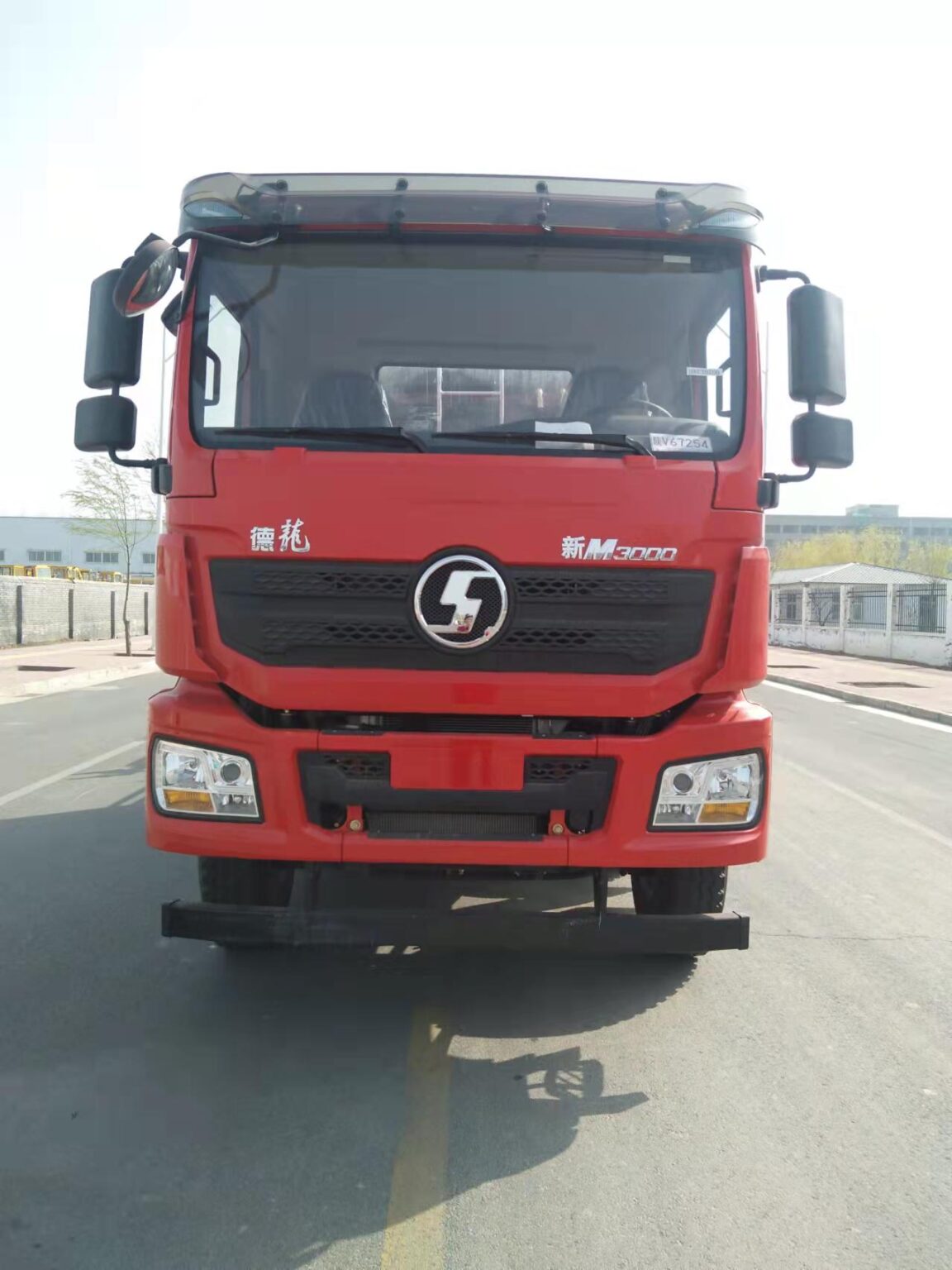
Maintenance Is a Pattern, Not a Single Repair
A pump rarely fails without warnings. Changing noise, unstable pressure, leakage around packing, abnormal temperature, lubrication issues, and faster wear on valves or seats can all show that the operating condition has shifted. The mistake is treating each replacement as an isolated event. A maintenance team should look for the pattern behind repeated wear.
Inspection Table for Wear Items
| Component Area | What to Watch | Likely Field Cause |
|---|---|---|
| Plungers and packing | Leakage, scoring, short packing life. | Abrasive fluid, misalignment, poor lubrication, wrong installation. |
| Valves and seats | Pressure fluctuation, impact marks, uneven wear. | Solids, cavitation, high-cycle operation, delayed replacement. |
| Fluid end | Cracks, washout, thread damage. | Overpressure, corrosion, poor inspection intervals. |
| Power end | Heat, vibration, oil contamination. | Lubrication problems, load mismatch, alignment issues. |
Daily and Weekly Maintenance Rhythm
- Before operation: check oil level, visible leaks, fasteners, suction condition, and discharge line condition.
- During operation: watch pressure stability, temperature, vibration, and any change in sound.
- After operation: flush as required, inspect accessible wear points, and record abnormal behavior.
- Weekly or campaign-based: review packing life, valve-seat condition, oil quality, and spare-parts use.
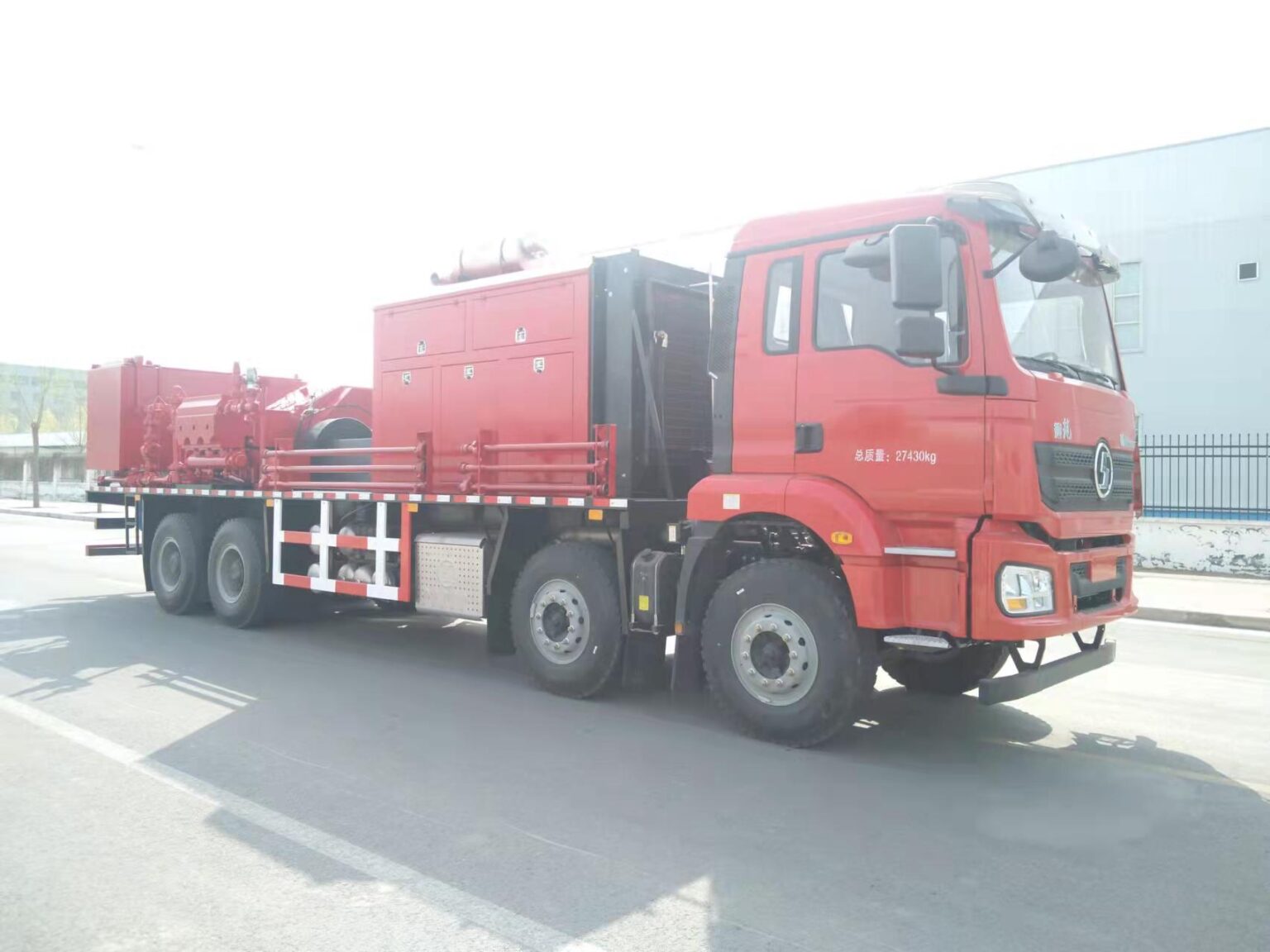
Maintenance Links With the Whole Fleet
The pump does not operate alone. In a fracturing truck, power delivery, transmission behavior, cooling, and operator control can all affect pump life. If the oilfield transmission box creates vibration or unstable load transfer, the pump may show symptoms even when the pump itself is not the root cause.
Spare Parts Planning
Buyers should not wait for the first failure to define the spare-parts package. Packing, valves, seats, seals, lubricants, and selected inspection tools should be planned around duty cycle and local supply conditions. Export customers should be especially practical here. A lower purchase price can lose its advantage if a small part stops the unit for weeks.
When to Investigate Deeper
- The same wear item fails repeatedly before its expected service interval.
- Pressure becomes unstable after several normal starts.
- Pump noise changes after a specific fluid type or job condition.
- Oil condition deteriorates faster than usual.
- Operators compensate by changing speed or pressure without recording the reason.
Vance Petro’s earlier article on how triplex plunger pumps improve fracturing efficiency and reduce downtime explains the pump’s role in pressure-pumping performance. Maintenance turns that role into real uptime. The best pump program combines inspection discipline, practical parts stocking, and honest records from the crew.
How Maintenance Records Improve Purchasing Decisions
Good maintenance records do more than protect one pump. They help the buyer decide which parts should be stocked, which crew habits need correction, and whether the fleet is working outside the intended duty range. A simple record can include operating hours, pressure range, fluid type, replaced parts, visible wear pattern, lubrication notes, and the operator’s comments after each campaign. Over time, those notes often reveal whether the problem is abrasive fluid, poor suction conditions, delayed flushing, or a mismatch between the pump and the job.
For fleets running several pumps, the records also support standardization. If one unit consumes packing faster than the others, the maintenance manager can compare installation practice, alignment, fluid condition, and power delivery before assuming the parts are defective. That kind of discipline reduces random purchasing and turns spare-parts planning into a controlled uptime strategy.
Continue your equipment research
Compare the equipment pages and technical notes most closely connected to this topic.