
A produced water treatment package on a remote oilfield pad must do more than meet a specification sheet. It has to keep working when inlet water changes, solids increase, oil content rises, chemical dosing drifts, or operators have limited time for adjustment. Troubleshooting ability is therefore a major buying factor for oilfield sewage treatment equipment.
This article explains practical troubleshooting points for buyers and field teams evaluating modular produced water treatment systems from Henan Vance Petroleum Machinery Co., Ltd.
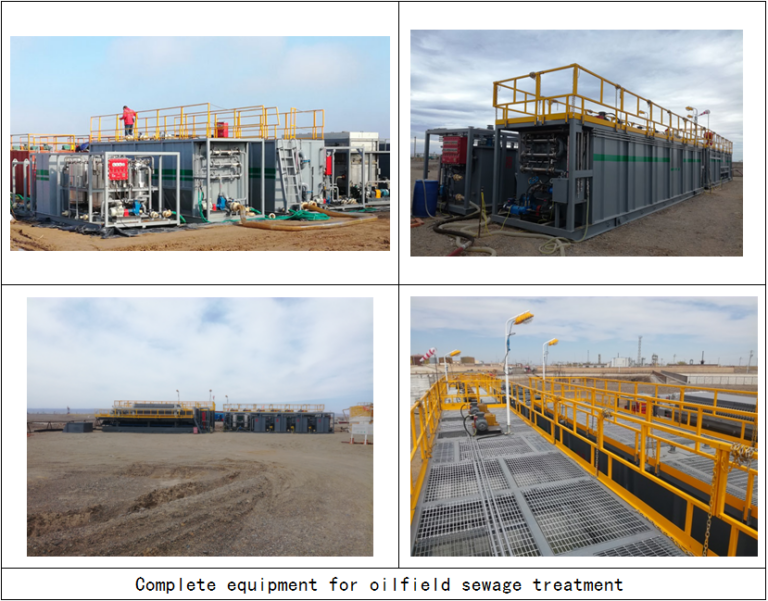
Start With the Inlet Water
Most treatment problems begin with inlet water that does not match the assumed design condition. Oil content, suspended solids, temperature, salinity, chemical additives, and flow variation all affect separation performance. Before blaming the equipment, operators should confirm whether the feed water has changed after drilling, workover, stimulation, or production adjustment.
Field Troubleshooting Table
| Problem | Likely Cause | Practical Check |
|---|---|---|
| Outlet oil is high | Inlet oil spike, poor separation time, chemical mismatch, or overloaded flow. | Sample inlet and outlet, check dosing, reduce flow, and inspect separation stage. |
| Solids carry over | High sand or suspended solids, blocked settling area, or filter loading. | Inspect sludge handling, filter differential pressure, and cleaning interval. |
| Unstable treatment result | Variable flow, inconsistent chemical feed, or changing water chemistry. | Review pump settings, chemical tank level, and operator records. |
| Frequent shutdowns | Poor maintenance access, blocked lines, electrical issues, or weak spare parts planning. | Review alarm history, clean accessible points, and prepare wear parts. |
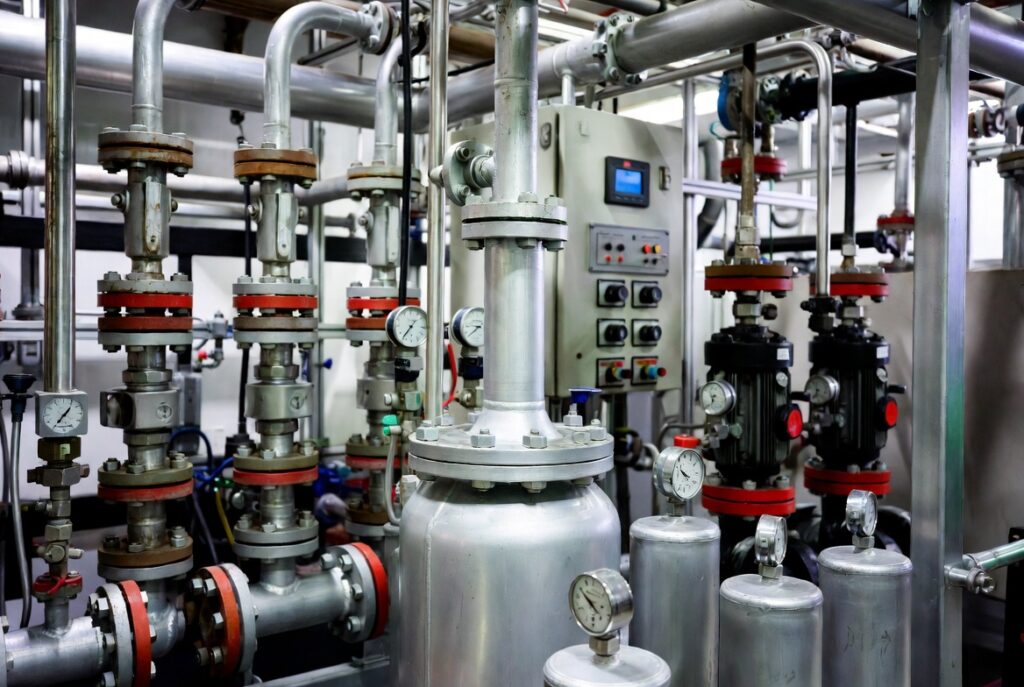
Design Features That Make Troubleshooting Easier
- Accessible sampling points before and after each major treatment stage.
- Clear flow, pressure, and level indication for routine operator checks.
- Simple cleaning access for filters, sludge areas, and dosing lines.
- Spare parts for pumps, valves, seals, instruments, and common consumables.
- Operating records that connect water quality changes with treatment performance.
The main product reference is Oilfield Sewage Treatment Equipment. Buyers planning a larger field package may also compare Oil Production Truck support and field service equipment when produced water management is tied to temporary production or maintenance activity.
Remote Pad Buying Questions
- What is the realistic range of oil content, solids, salinity, and daily flow?
- How often can operators clean filters and remove sludge?
- Are chemicals available locally, and can dosing be adjusted in the field?
- What discharge, reuse, or transport requirement must the treated water meet?
For background on compliance and cost, readers can review oilfield sewage treatment equipment for environmental regulations and cost control.
Conclusion
Produced water treatment package troubleshooting should be considered during equipment selection, not only after a problem appears. A system with good sampling access, realistic design assumptions, clear operator checks, and practical maintenance support is easier to keep stable on remote pads. Vance Petro can help buyers configure oilfield wastewater treatment equipment around actual water analysis and field conditions.
Continue your equipment research
Compare the equipment pages and technical notes most closely connected to this topic.