
Remote pads make water management harder than it looks on a spreadsheet. Produced water may be scattered across wells, hauling routes may be long, and the operator may not want to build a permanent treatment station before production behavior is proven. In those cases, oilfield sewage treatment equipment needs to be judged by mobility, modular layout, and the operator’s real disposal route.
This guide is for buyers comparing modular produced water packages for remote oilfield use. It avoids the idea that one treatment unit can solve every water problem. The better approach is to define what must be removed, where the treated water will go, and how the system will be operated day after day.
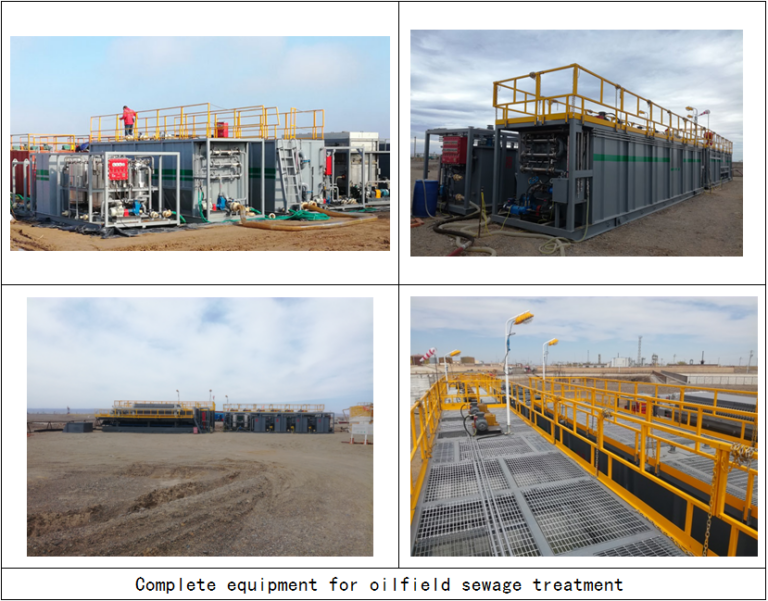
Remote Pad Design Questions
- How variable is the water? Produced water from mature wells may change as production rate, water cut, and service activity change.
- What is the target outlet? Reuse, discharge, transport, or reinjection preparation may require different treatment steps.
- How much operator attention is realistic? A remote package should not depend on constant specialist adjustment if the field cannot support it.
- Will the system move? A modular package needs lifting, transport, piping, and commissioning details that fixed equipment can sometimes ignore.
Choosing the Package by Water Problem
| Water Condition | Selection Priority | Operational Note |
|---|---|---|
| High oil content | Oil-water separation and stable pretreatment | Sampling should reflect real field water, not a clean demonstration sample. |
| Suspended solids | Filtration and sludge handling | Ask where solids go after removal and how often cleaning is required. |
| Changing water volume | Modular capacity and bypass planning | Remote systems must handle peak days without being oversized for every normal day. |
| Temporary production test | Quick setup and easy removal | Coordinate with test well truck or temporary production work. |
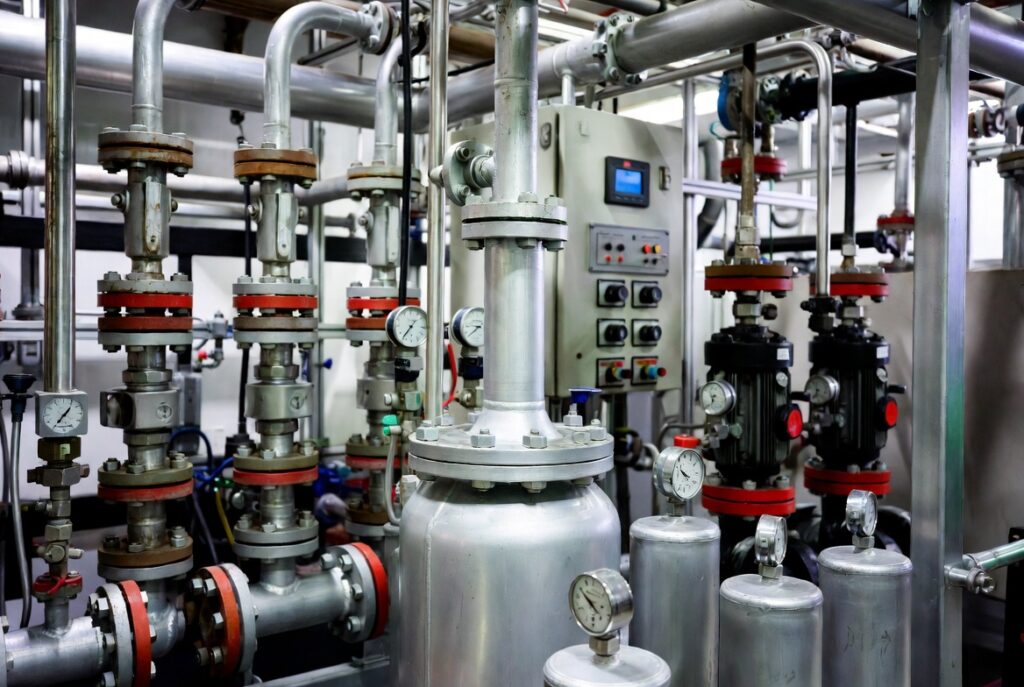
How It Connects with Production Equipment
Water handling should be considered early when an operator deploys an oil production truck or temporary production support unit. If the field starts producing more water than expected, hauling alone can become expensive. A modular treatment package can reduce pressure on transport, but only if the outlet standard and operating procedure are realistic.
In some regions, environmental compliance is the main driver. In others, the cost of trucking water dominates. Both cases require careful sampling, clear treatment goals, and honest discussion about maintenance. Henan Vance Petroleum Machinery Co., Ltd. can help customers review the equipment layout around these field constraints.
What to Ask Before Ordering
- Request a recommendation based on water analysis, not only daily capacity.
- Confirm chemical use, power demand, sludge handling, and operator workload.
- Ask how the package is installed, moved, and restarted after relocation.
- Check whether the treated water target matches local regulation and the customer’s disposal plan.
- Build a spare-parts list for pumps, valves, filters, sensors, and consumables.
For more background on compliance and cost control, see Vance Petro’s article on oilfield sewage treatment equipment and environmental regulations. The main lesson for remote pads is simple: treatment equipment should be selected around water reality, not around an ideal process diagram.
A good modular produced water package makes the field easier to operate. It should reduce hauling pressure, support cleaner site management, and give operators a treatment route they can actually maintain.
Continue your equipment research
Compare the equipment pages and technical notes most closely connected to this topic.