
Oilfield sewage treatment equipment is becoming increasingly important as operators face stricter environmental expectations, higher disposal costs, and more complex produced water streams. Drilling, production, workover, and field maintenance activities can generate wastewater containing oil, suspended solids, chemicals, salts, and other contaminants. If this water is not handled properly, it can create regulatory risk, transportation cost, site management problems, and reputational pressure.
Henan Vance Petroleum Machinery Co., Ltd. is an oilfield equipment manufacturer based in Puyang, Henan, close to China’s Zhongyuan Oilfield. The company focuses on practical machinery for well servicing, heating, pressure pumping, nitrogen generation, production support, sewage treatment, and other oil and gas field applications. For international buyers, Vance Petro can support equipment configuration, export documentation, spare parts planning, and technical communication before production.
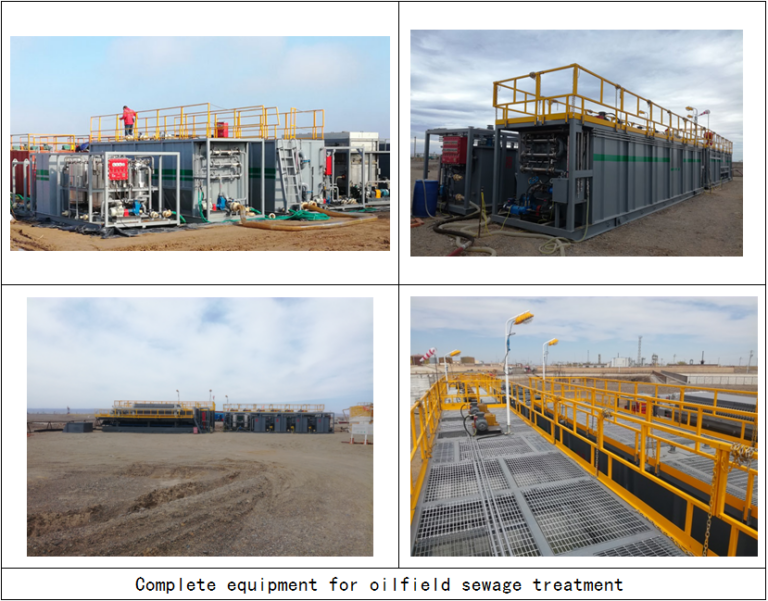
Why Produced Water Treatment Is a Business Issue
Produced water is often one of the largest waste streams in oil and gas operations. Transporting it to disposal sites can be expensive, especially when wells are far from infrastructure. Storing it for long periods may create environmental and safety concerns. In many markets, operators are under pressure to reduce discharge impact, improve water management, and demonstrate better control of field waste.
Treatment equipment helps operators separate oil, reduce suspended solids, prepare water for disposal, support reuse where permitted, and reduce the burden on transport and storage systems. The right solution depends on water chemistry, oil content, solids load, flow rate, temperature, chemicals used in the field, and local regulations.
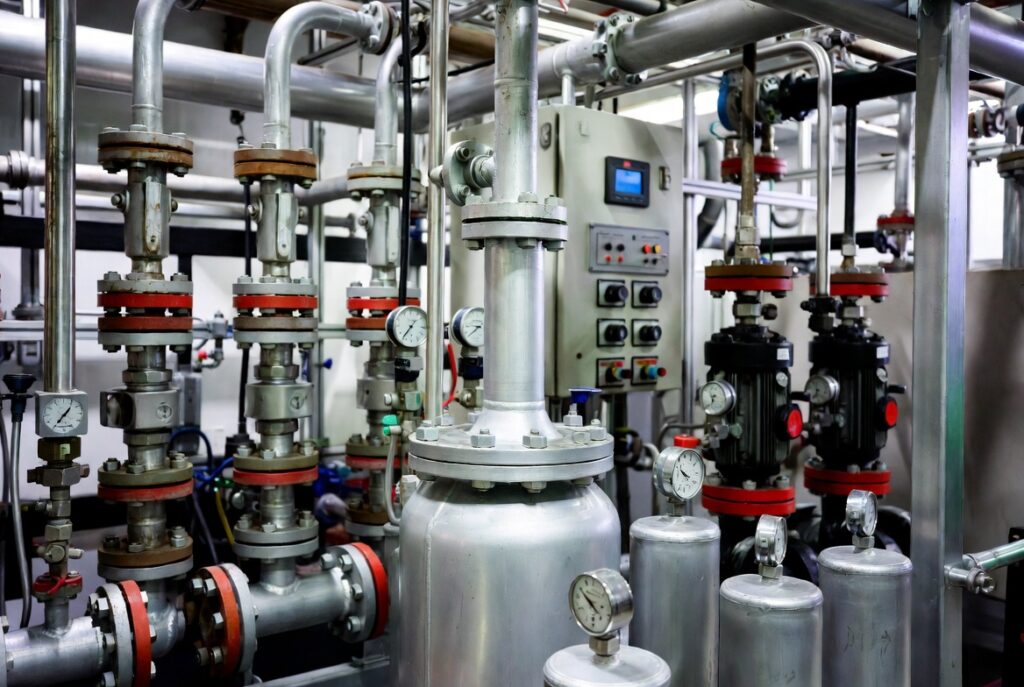
Typical Treatment Goals
Oil and Suspended Solids Reduction
Many oilfield wastewater streams contain dispersed oil and solids. Treatment may involve separation, filtration, chemical assistance, flotation, or other methods depending on the water condition. Stable separation performance is essential because poor treatment can overload downstream equipment or create disposal problems.
Lower Disposal and Transport Pressure
If water can be treated closer to the source, operators may reduce the number of transport trips or improve the quality of water sent to disposal. This can help control cost and reduce field congestion. In remote areas, the logistics advantage can be as important as the environmental benefit.
Support for Regulatory Compliance
Every market has different discharge, disposal, reinjection, or reuse rules. Equipment selection should start with the target water quality and the required compliance pathway. Vance Petro does not assume a one-size-fits-all solution; the treatment process should be matched to field conditions and local requirements.
Choosing the Right Equipment Configuration
Buyers should provide water analysis, expected flow, inlet oil content, suspended solids level, temperature, chemical additives, treatment target, available space, power supply, and operating schedule. A compact package may be suitable for smaller sites, while larger projects may require multiple stages and higher automation. Maintenance access, sludge handling, chemical consumption, and operator training also affect long-term cost.
The product page for Oilfield Sewage Treatment Equipment is the main internal reference. Vance Petro has also published an article about meeting strict environmental regulations while cutting costs, which is useful for buyers evaluating the economic side of wastewater treatment.
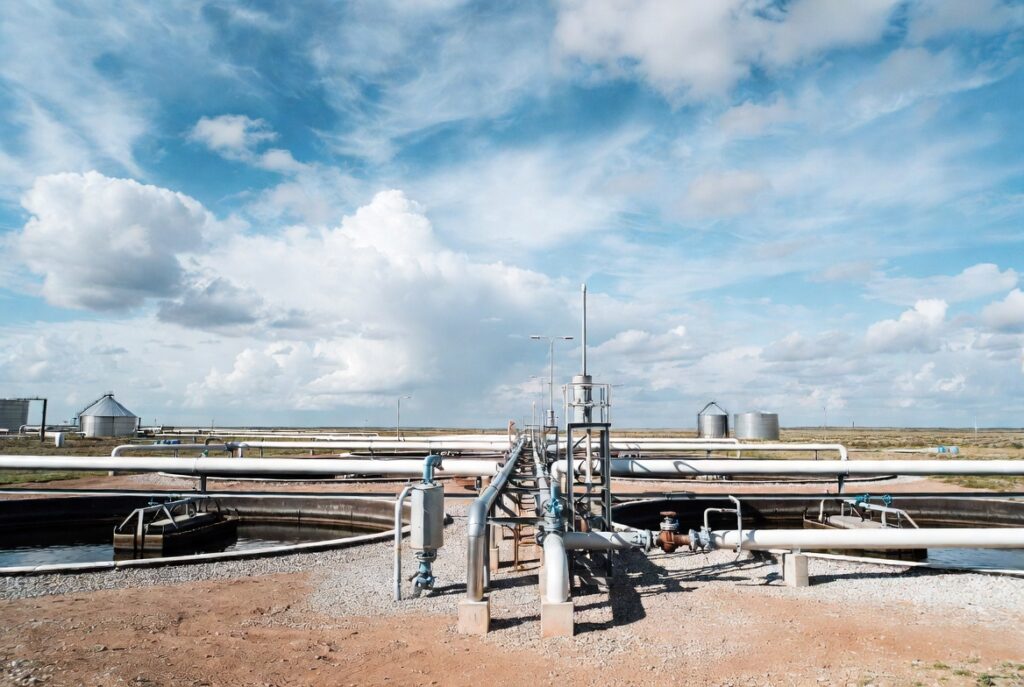
Integration With Oilfield Operations
Wastewater treatment should be integrated with the broader field workflow. Produced water volumes may change over time. Workover campaigns can temporarily increase dirty water load. Chemical programs may change separation behavior. Operators should plan for these variations rather than only designing for an average case. A practical treatment package should remain serviceable when field conditions shift.
Related Reading for Oilfield Water Management
For a broader view of field service planning, buyers can also read Choosing the Right Well Servicing Truck for Your Oilfield Operations. Wastewater treatment is often planned together with production, workover, and maintenance equipment, so internal coordination between environmental and operations teams is important.
Conclusion
Oilfield sewage treatment equipment helps operators control produced water, reduce disposal pressure, support compliance, and improve field sustainability. The best system depends on water quality, treatment target, site layout, and local regulations. Vance Petro can discuss oilfield wastewater treatment equipment with international buyers who need practical systems for production, drilling, or service environments.
Continue your equipment research
Compare the equipment pages and technical notes most closely connected to this topic.