
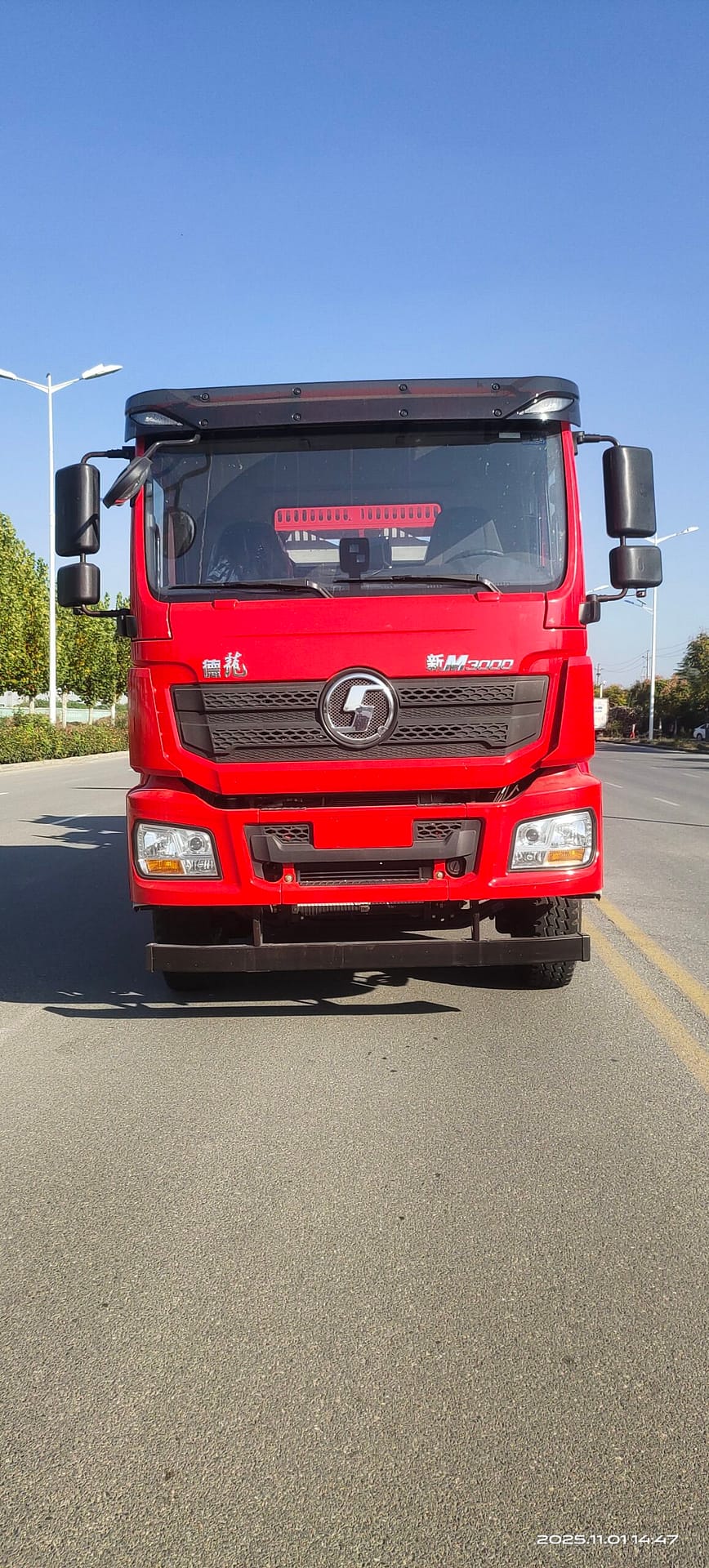
A cement pump truck used for oilfield cementing is not the same buying decision as a construction concrete pump. The oilfield unit has to mix, pump, measure, and control cement slurry around a wellbore where pressure behavior, job timing, and crew communication matter. For buyers comparing a mobile cementing truck, the real question is whether the truck layout supports repeatable cementing work after it reaches the field.
Henan Vance Petroleum Machinery Co., Ltd. designs oilfield service equipment for customers who need practical mobile units rather than showroom specifications. This guide looks at the layout and service checks that make a cement pump truck easier to operate, maintain, and support across remote jobs.
What the Truck Must Do During a Cementing Job
A cementing operation has little patience for unclear equipment layout. Dry materials, water, additives, mixing equipment, pumps, manifold lines, and control points all need to work in a sequence the crew can follow quickly. If the truck has enough capacity but poor access, the job may still slow down when the operator needs to adjust slurry density, inspect a valve, or respond to a pressure change.
Buyers should describe the job before discussing optional equipment. Primary cementing, remedial cementing, plug work, and squeeze cementing can place different demands on mixing stability, pressure rating, and control accuracy. A truck that serves many small wells may need a different support plan from a unit assigned to fewer but more demanding jobs.
Layout Checklist for Buyers
| Truck Area | Buyer Check | Why It Matters |
|---|---|---|
| Mixing system | Can the crew monitor slurry quality and adjust feed smoothly? | Poor mixing control can hurt job consistency. |
| Pumping system | Are pump ratings, service access, and spare parts clearly defined? | Pressure capability means little if downtime is frequent. |
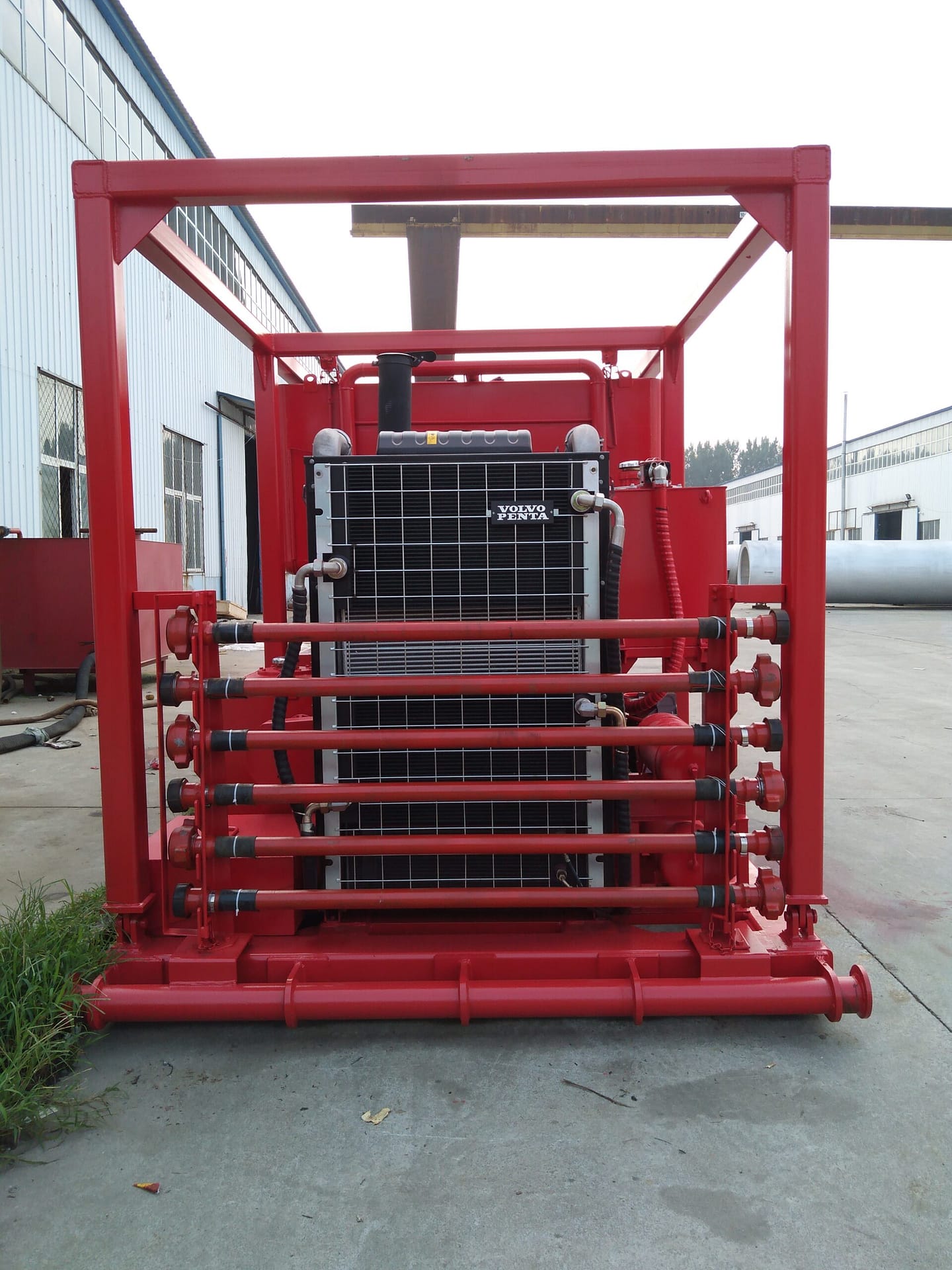
| Manifold layout | Are valves, gauges, and lines easy to identify during rig-up? | Confusing layouts slow the job and increase error risk. |
| Chassis and body | Does the truck match local roads, axle rules, and service space? | Transport problems can appear before the equipment reaches the well. |
Service Access Is a Purchase Feature
A useful cement pump truck should make routine work visible. Operators need access to pump fluid ends, lubrication points, valves, sensors, and wash-down areas. Maintenance teams need space to change wear items without dismantling half the body. When buyers skip this detail, they often pay later through longer service stops and avoidable damage.
How It Connects With Other Pressure-Pumping Equipment
Many oilfield buyers compare cementing equipment with stimulation equipment because both rely on pressure pumping discipline. A triplex plunger pump may be part of the wider pressure-pumping conversation, while a fracturing truck has a different duty cycle and job objective. Keeping these roles separate helps prevent overspecifying one unit and underspecifying another.
Questions Before Ordering
- What slurry density range and job volume will the truck normally support?
- Which wear parts should be stocked with the first shipment?
- Can local operators clean the mixing and pumping lines after each job?
- Does the supplier provide a practical commissioning and training plan?
- How will the truck be transported, licensed, and serviced in the buyer’s country?
Export Buyer Notes for Commissioning
For export projects, commissioning should be discussed before the truck is shipped. The buyer should confirm the destination port, road limits, local fuel quality, water source, and whether the receiving crew has previous cementing experience. It is also useful to prepare a short first-job checklist that covers line flushing, density checks, pump warm-up, emergency stop behavior, and post-job cleaning. These details sound ordinary, but they decide whether the truck becomes productive in the first week or spends that week waiting for small missing parts and unanswered operating questions.
A practical acceptance plan can include a dry functional check, a water circulation test, and a discussion of common field alarms. If the truck will work far from a service center, Henan Vance Petroleum Machinery Co., Ltd. can help the customer plan a starter package of seals, valves, sensors, fittings, and maintenance tools that matches the truck configuration.
For broader wellbore-integrity context, Vance Petro’s article on the role of cementing trucks in successful well completion is a useful companion. A strong cement pump truck is not only a pump on wheels; it is a job-ready cementing system with layout decisions that protect both the well and the crew’s working rhythm.