
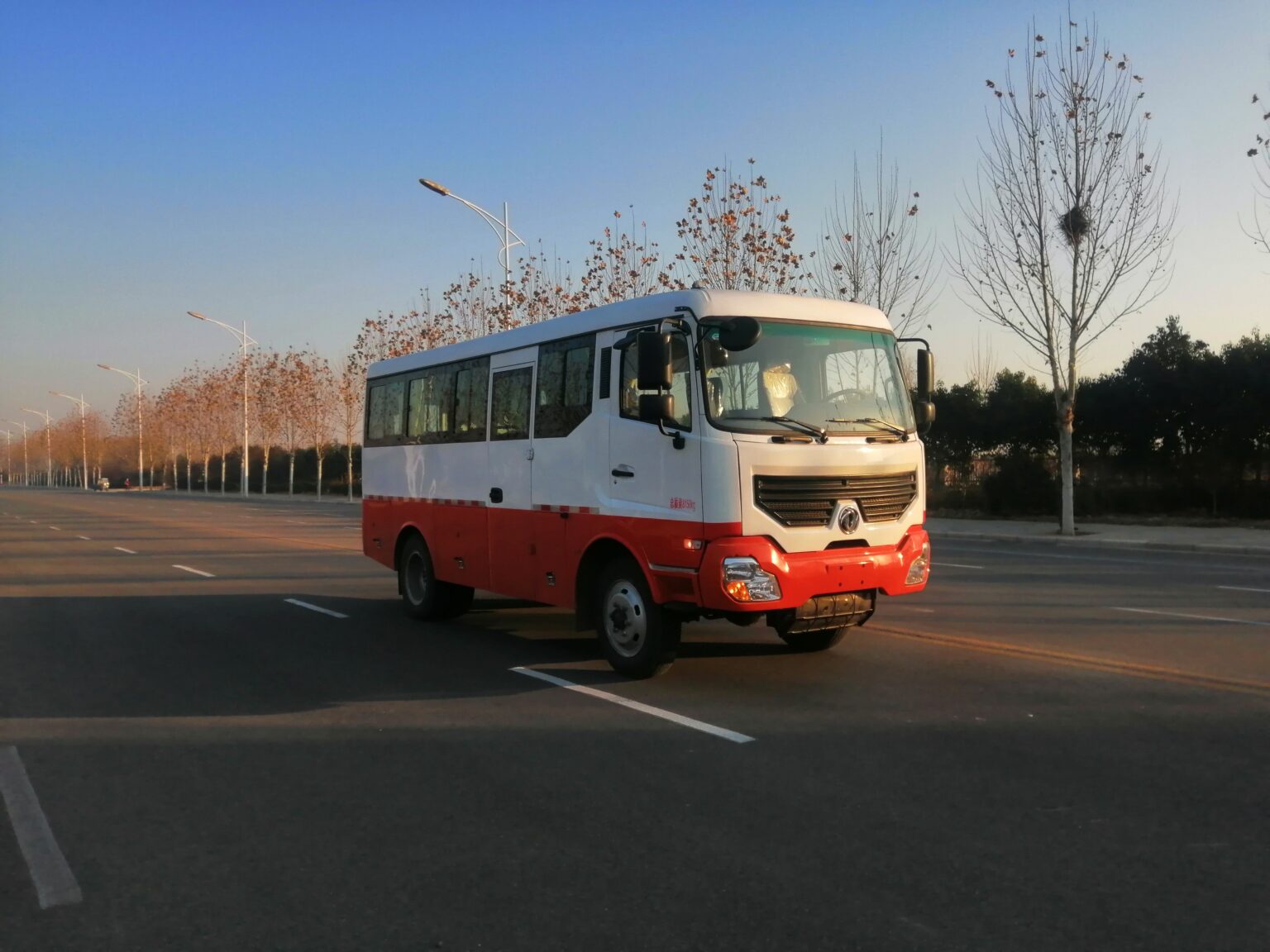
A test well truck gives operators a mobile way to evaluate production after workover, flushing, wax removal, stimulation, or other well service work. The question after a job is not only whether the well flows, but whether the flow rate, pressure behavior, water cut, gas handling, and surface stability are strong enough to justify the next operating decision.
This post-workover production evaluation checklist is for field teams and buyers comparing mobile well testing equipment. It focuses on what should be measured, how the unit should be prepared, and how test results support the next maintenance or production step.
When a Post-Workover Test Is Useful
Post-workover testing is useful when the operator needs evidence before returning a well to normal production. A short controlled test can show whether the intervention improved flow, whether the well still needs cleaning, or whether additional support equipment should be planned. For mature fields, mobile testing is often more practical than waiting for fixed facilities to provide clear data.
Evaluation Checklist
- Confirm expected flow range, pressure range, fluid composition, and test duration before equipment dispatch.
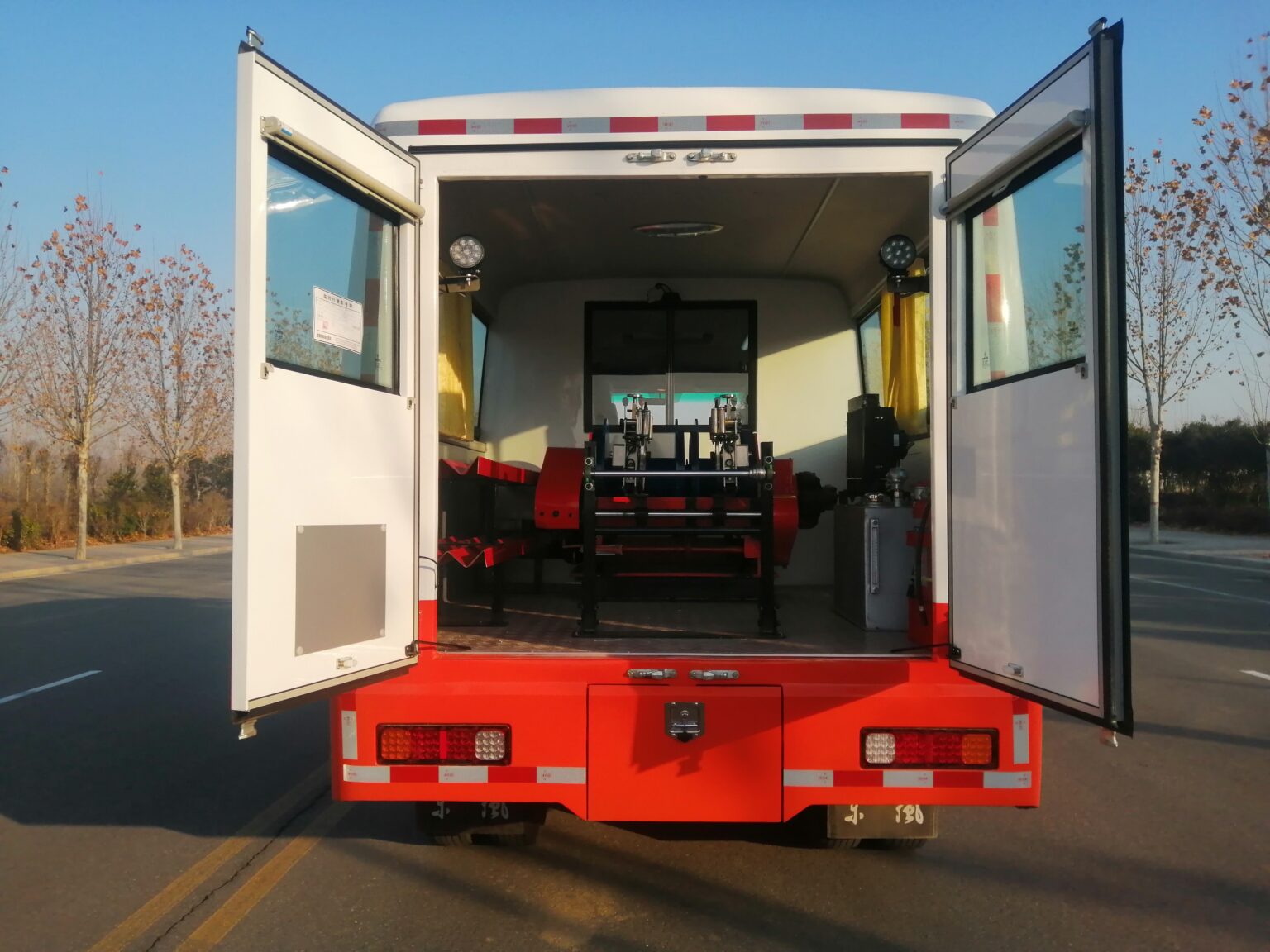
- Inspect separator, piping, valves, gauges, sampling points, and safety relief devices.
- Record choke settings, flowing pressure, shut-in pressure, liquid rate, gas behavior, and water cut at planned intervals.
- Compare early unstable flow with later stabilized flow instead of judging the well from the first few minutes.
- Note any sand, wax, emulsion, scale, or debris that may indicate unfinished cleaning or future service risk.
Interpreting the Test Result
| Observed Result | Possible Meaning | Next Decision |
|---|---|---|
| Flow improves and stabilizes | The workover or cleaning job likely restored part of the flow path. | Return the well to normal production with monitoring. |
| High water cut remains | The issue may be reservoir or completion related, not only surface restriction. | Review production plan and water handling capacity. |
| Pressure drops quickly | The well may have limited deliverability or remaining restriction. | Plan additional diagnostics or service work. |
| Sand or debris appears | Cleaning may be incomplete or formation sand may be entering the wellbore. | Consider flushing, cleanout, or sand-control review. |
The main equipment reference is the Test Well Truck. If the test follows wax removal or cleanout work, buyers may also review the Well Flushing & Wax Removal Truck and Oilfield Flushing Truck pages.
Buyer Questions Before Ordering
- What pressure, temperature, and flow range must the truck handle?
- How will produced water, gas, and sampling be managed at the test site?
- Does the crew need a compact unit for remote roads or a larger package for longer tests?
- What spare valves, gauges, seals, and hoses should ship with the unit?
For broader fleet planning, the article choosing the right well servicing truck for oilfield operations explains how testing, cleaning, heating, and production support can work together.
Conclusion
A test well truck turns post-workover uncertainty into field data. When the unit is selected with the right pressure range, measurement layout, safety controls, and maintenance access, it helps operators decide whether to produce, clean, stimulate, or investigate the well further. Vance Petro can support mobile well testing packages for practical oilfield evaluation work.
Continue your equipment research
Compare the equipment pages and technical notes most closely connected to this topic.