
A mobile nitrogen generator is attractive because it gives the field a nitrogen source without waiting on delivered cylinders or liquid nitrogen logistics. For oilfield service work, the value is not only mobility. The unit has to produce nitrogen at the purity, pressure, flow, and reliability level required for purging, pressure support, inerting, and intervention support.
Vance Petro’s nitrogen generation truck is aimed at customers who need onsite nitrogen in changing field conditions. This article explains the selection questions that should come before a buyer compares prices or asks for a general generator quote.
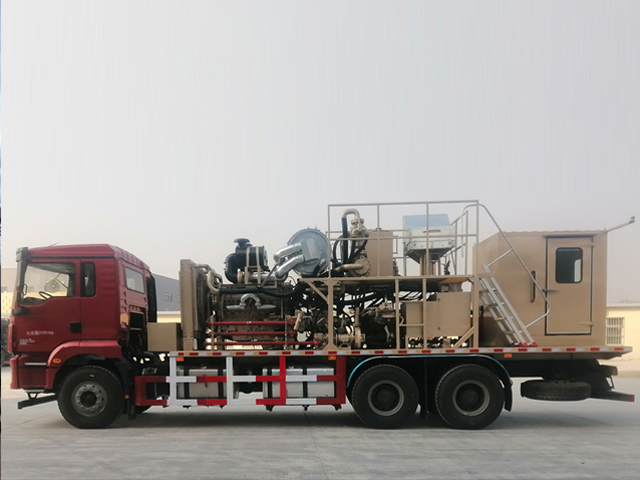
Start With the Nitrogen Job, Not the Generator Cabinet
Different jobs need different nitrogen behavior. Pipeline purging may need stable flow and clear safety procedures. Well intervention support may emphasize mobility, pressure control, and fast rig-up. Tank blanketing or inerting may require lower flow but consistent operation over a longer period. A buyer who only asks for a nitrogen generator can receive a technically correct machine that is awkward for the actual job.
Selection Matrix
| Field Need | Configuration Priority | Question to Ask |
|---|---|---|
| Pipeline purging | Stable output and safe discharge route. | Can the unit maintain flow during long purging periods? |
| Remote well service | Truck mobility and simple service access. | Can the crew maintain filters and compressors locally? |
| Pressure support | Pressure range and control accuracy. | Does the unit match the target pressure and duty cycle? |
| Export projects | Training, spare parts, and local climate fit. | What parts should ship with the first unit? |
Purity, Flow, and Pressure Need to Be Discussed Together
Many buyers ask for high purity first, but oilfield usefulness depends on a balanced specification. Higher purity can reduce output or increase system complexity. Higher pressure can change compressor and booster requirements. Flow demand affects fuel use, cooling, and maintenance intervals. The supplier should understand the job envelope before recommending the final generator package.
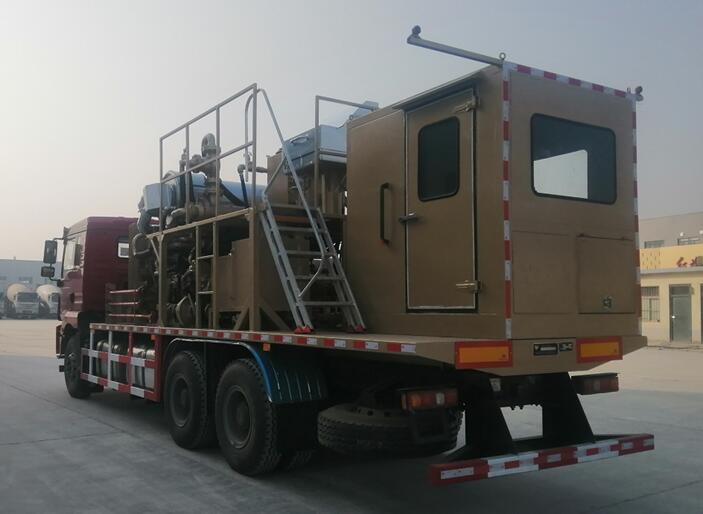
Why Mobile Design Changes Maintenance Planning
A stationary generator can be protected by a plant environment. A mobile unit may face dust, road vibration, hot weather, cold starts, and operators who are working far from a workshop. The buyer should ask about filtration, compressor service, valve access, control-panel clarity, and whether consumables are easy to identify. A practical spare-parts list matters as much as the first quotation.
Related Equipment Around the Nitrogen Job
Nitrogen support often appears near other pressure-service equipment. A fracturing truck may be part of a stimulation spread, while a triplex plunger pump can be relevant where fluid pressure and service reliability are central to the operation. The nitrogen unit should fit into that wider field workflow instead of being selected as a standalone box.
Procurement Notes
- Define the expected purity, flow, pressure, and continuous operating hours.
- Describe site temperature, dust, altitude, and road conditions.
- Ask whether operators can perform routine filter and compressor service after training.
- Confirm how the unit is started, stopped, and made safe during emergency changes.
- Request a commissioning plan that reflects the buyer’s actual field location.
Operating Conditions That Change the Specification
Mobile nitrogen equipment should be selected with the site environment in mind. A unit working in a hot desert field may need more attention to cooling and filtration, while a unit working in a cold region may need start-up planning and protection for moisture-sensitive components. Road vibration can also change the service picture, because fittings, electrical connections, and filter housings need to stay reliable after repeated moves between pads.
Buyers should also decide who will operate the unit. A system controlled by a specialist service company can support more complex settings, but a customer-owned truck may need simpler daily checks, clearer alarms, and stronger training documents. In both cases, the final quotation should include operating assumptions, not just equipment names. That makes it easier to compare one mobile nitrogen generator with another in a fair way.
For a broader introduction, see Vance Petro’s article on why nitrogen generation trucks are becoming essential in modern oilfield operations. A mobile nitrogen generator is strongest when it is specified from the job backward: gas requirement first, equipment configuration second, and support plan before shipment.
Continue your equipment research
Compare the equipment pages and technical notes most closely connected to this topic.