
Choosing PSA vs membrane nitrogen generators for mobile oilfield service requires a comparison at the same delivered nitrogen purity, flow, pressure and site conditions. Both technologies produce nitrogen from compressed air, but their separation process, control behavior and package requirements differ. Select the complete supply system for the job instead of assuming that one technology is always the better choice.
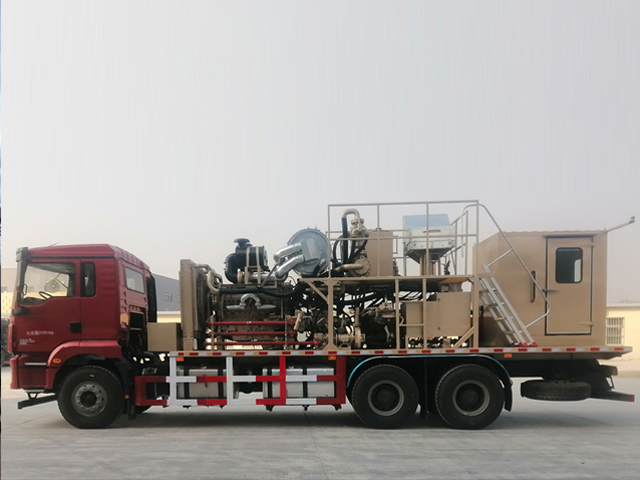
For a truck-mounted project, the separation module is only one part of the decision. The compressor, air treatment, buffer arrangement, booster, cooling, controls and maintenance access must work together. The nitrogen generation truck should therefore be specified at its delivery boundary, with the performance assumptions recorded.
How the two separation methods differ
Pressure swing adsorption, or PSA, uses adsorbent beds that cycle between adsorption and regeneration. A membrane system passes compressed air through separation membranes whose permeability differs for the gases present. These process differences influence air consumption, control arrangements and equipment layout.
They do not eliminate the need for clean, appropriately conditioned feed air. Ask each supplier to state the required inlet pressure, temperature, moisture and contamination limits. Confirm the treatment equipment included and how the package detects conditions outside the permitted range.
For a short explanation of the PSA process, see Atlas Copco's technical introduction to pressure swing adsorption. That general explanation does not establish the performance or supplied components of a particular Vance truck.
Compare performance at an identical delivery condition
| Comparison item | Question for each proposal | Reason it matters |
|---|---|---|
| Purity | What oxygen limit and measurement basis apply at delivery? | Different stated purity bases can hide an unequal comparison |
| Flow | What nitrogen flow is available at that purity? | Output must be assessed with purity, not independently |
| Pressure | Is the rating at generator outlet or after the booster? | Separation and final delivery may have different limits |
| Site conditions | What output is available at the specified temperature and altitude? | Reference conditions may differ from the destination |
| Operating pattern | How are start-up, changing demand and off-spec gas handled? | The usable supply must fit the job sequence |
| Utilities | What feed air, power, fuel and cooling are required? | Module efficiency does not describe the whole truck |
Agree the reference temperature and pressure for any normalized or standard volumetric flow. Also clarify whether flow is quoted before or after ancillary consumption and whether the guaranteed figure is continuous. Two numbers with different reference conditions should not be placed side by side without conversion.
When each technology deserves closer review
A membrane proposal may be attractive for a mobile duty where its demonstrated purity-flow performance, packaging and operating behavior fit the work. A PSA proposal may merit closer review where a tighter purity requirement is central. Neither observation replaces a package-specific comparison: obtain the operating curves and utility figures for the actual offered equipment.
If the project can accept more than one purity level, ask for separate operating cases. Do not set the highest available purity by default and then compare a reduced output against a different supplier's lower-purity rating. The existing nitrogen purity and flow planning guide helps organize the job requirements before this technology comparison.
For intermittent service, ask about time to reach the required specification, restart behavior and operation during low demand. For long campaigns, review stable output, routine service access and consumable availability. Have the supplier describe the sequence and supporting equipment rather than relying on a general claim of easy operation.
Check the booster and the mobile installation
The booster must receive a suitable inlet supply across the intended operating range. Ask how generator output, buffering and booster demand are coordinated, and what the controls do when supply becomes insufficient. A high discharge-pressure rating does not prove that the truck can sustain the required nitrogen flow at that pressure.
Review the weight, footprint, service clearances and environmental provisions of the complete package. Identify access to filters, valves, analyzers and routine replacement items. A compact separation module may still require substantial supporting equipment on the truck.
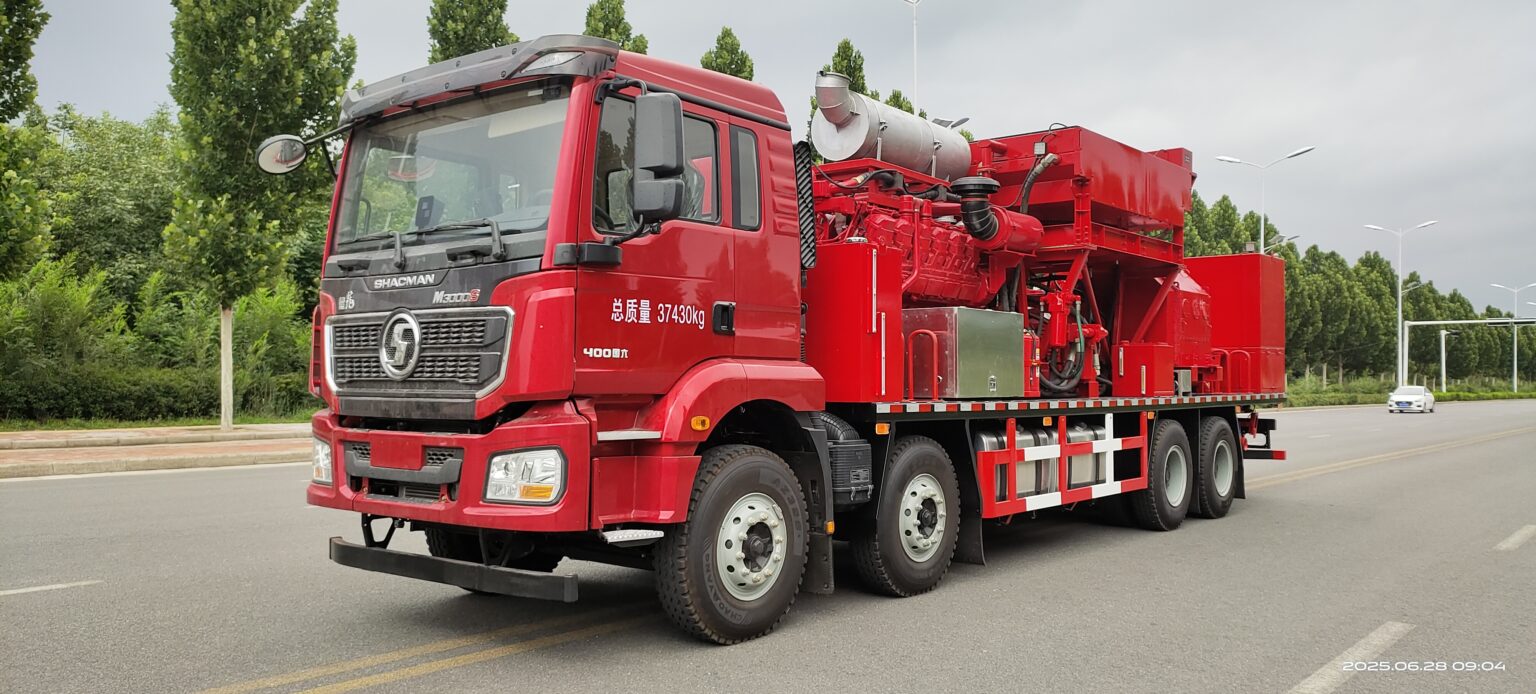
When the job involves a pressure-pumping truck, the two packages need a coordinated operating basis. This does not mean that any nitrogen generator is suitable for every stimulation duty. The responsible project team must specify the process requirements and equipment interfaces.
Compare ownership cost without assuming a winner
Use the same production schedule and delivered gas requirement to compare acquisition cost, fuel or electrical demand, air-treatment service, planned maintenance and replacement components. Record any expected downtime and the basis for those assumptions. A cheaper module can produce a more expensive complete installation if the supporting systems differ.
The nitrogen generation cost guide provides a broader purchasing framework. Keep liquid nitrogen delivery or pumping as a separately specified supply option; it is not the same machine as an on-site air-separation truck.
Send Vance Petroleum your nitrogen duty schedule, including oxygen limit, delivered flow and pressure, daily operating pattern, site conditions and utility availability. Request the proposed technology, performance basis and support scope in writing. Those inputs make a PSA-versus-membrane decision reviewable before purchase.
Continue your equipment research
Compare the equipment pages and technical notes most closely connected to this topic.
- Nitrogen Generation Truck specifications and applications
- Fracturing Truck | Oilfield Fracturing Unit specifications and applications
- Mobile Nitrogen Generator for Oilfield Purging and Pressure Support | Selection Notes
- Boiler Maintenance Checklist for Oilfield Boiler Trucks | Mobile Heating Unit Service Guide