
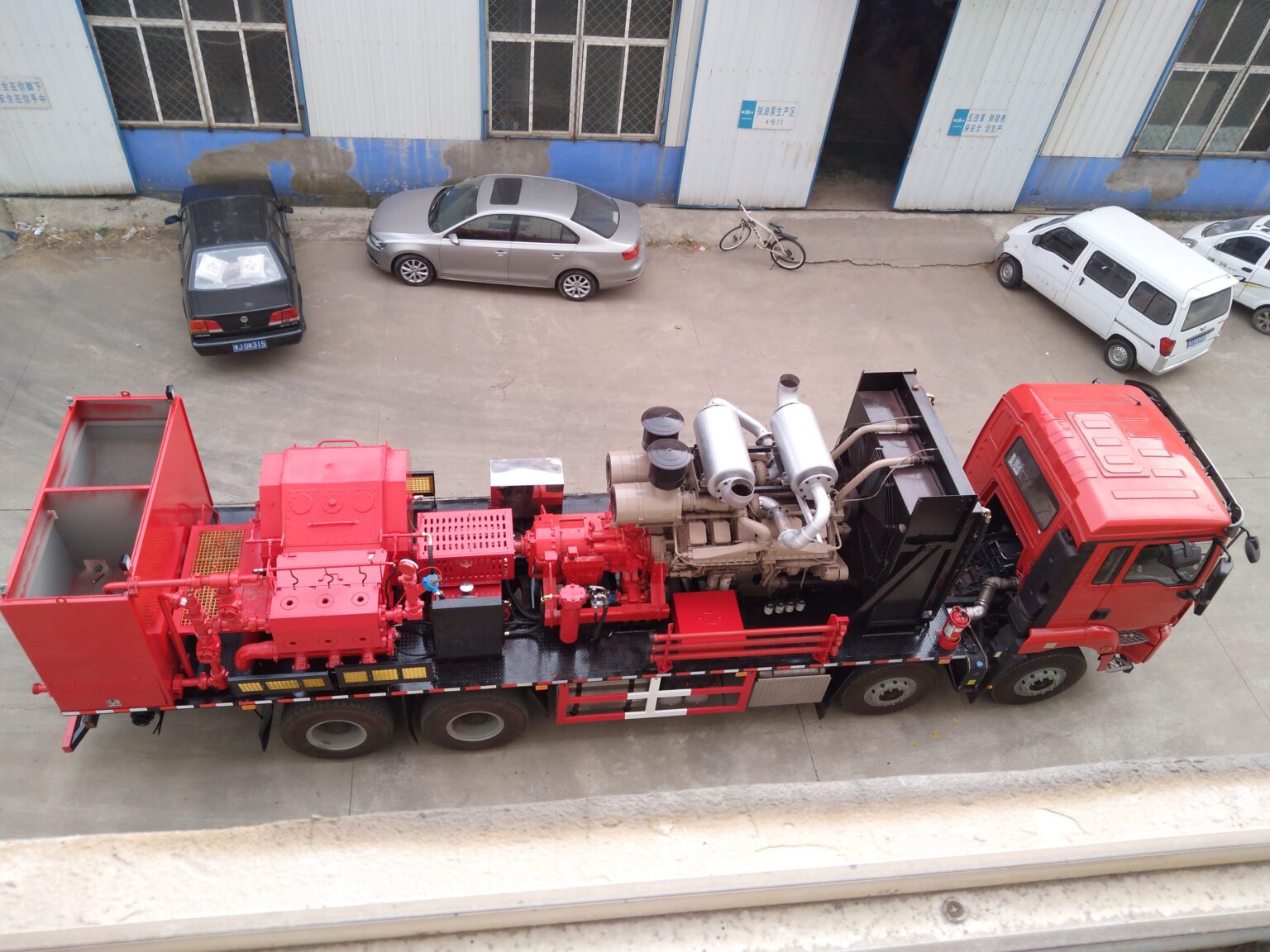
A fracturing pump truck is selected for pressure, flow, and field reliability, but the inspection routine around pressure control often decides whether the unit can finish a stimulation job without interruption. For service companies working in high-pressure programs, a small weakness in suction condition, discharge piping, pump vibration, transmission heat, or operator monitoring can become a job delay.
This guide looks at fracturing pump truck pressure control inspection from a fleet supervisor’s view. It is written for buyers who need a practical checklist before ordering or commissioning a high-pressure stimulation unit from Henan Vance Petroleum Machinery Co., Ltd.
Pressure Control Starts Before the Pump Is Loaded
Many pressure problems begin before the pump reaches full job load. The crew should confirm suction supply, fluid cleanliness, valve condition, instrumentation, and pressure relief settings before the unit is tied into the line. A truck that can generate high pressure still needs stable feed, correct lubrication, good cooling, and a clear shutdown response.
- Check suction line restriction, fluid level, filter condition, and suction vibration before ramping up.
- Inspect discharge connections, pressure gauges, relief devices, and high-pressure piping support.
- Review engine, transmission, and pump speed limits for the planned job curve.
- Confirm communication between pump operator, blender operator, and wellhead crew.
- Record baseline vibration, temperature, pressure fluctuation, and unusual noise during low-rate circulation.
Inspection Matrix for High-Pressure Stimulation Fleets
| Area | What to Inspect | Why Buyers Should Care |
|---|---|---|
| Pump fluid end | Valves, seats, packing, washout signs, and leakage points. | Fluid end wear affects pressure stability and spare parts planning. |
| Power end | Lubrication, temperature, abnormal sound, and fastening condition. | Power end reliability supports long pumping hours under repeated load. |
| Drivetrain | Transmission heat, coupling alignment, torque response, and vibration. | A pressure pump is only as reliable as its power transfer path. |
| Controls | Gauge response, emergency shutdown, speed control, and job data recording. | Operators need clear signals before pressure deviation becomes a failure. |
How to Specify the Unit for Easier Inspection
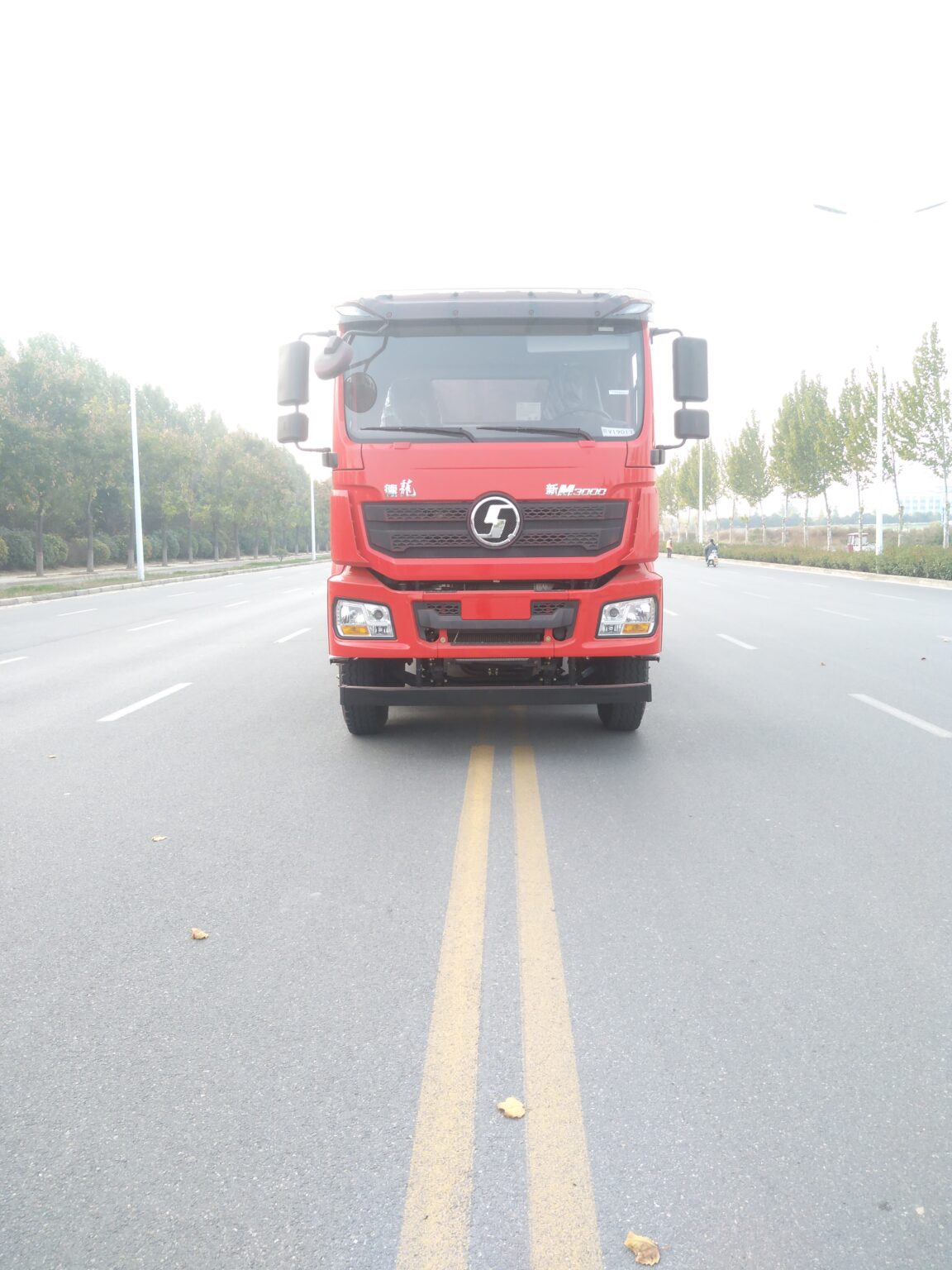
Buyers should ask about access to service points, gauge placement, drain points, maintenance space around the pump, and the spare parts list. A compact layout may look attractive, but inspection access matters when the truck is working far from a repair base. Vance Petro’s Fracturing Truck page is the main product reference for stimulation fleets, while the Triplex Plunger Pump page helps buyers review pump-related components.
Field Signals That Need Immediate Attention
- Pressure oscillation that does not match planned rate change.
- Rising drivetrain or pump temperature during a stable load period.
- Repeated seal leakage after short operating hours.
- Unusual vibration from the pump skid, piping, or transmission area.
- Slow operator response because gauges or controls are hard to read.
For a broader view of pump reliability, readers can also review how triplex plunger pumps improve fracturing efficiency and reduce downtime. If the fleet also includes power transfer components, the Oilfield Transmission Box page is a useful companion reference.
Conclusion
A fracturing pump truck pressure control inspection plan should be built into equipment selection from the start. The strongest unit is not only the one with enough horsepower; it is the one crews can inspect, cool, lubricate, monitor, and repair under real stimulation conditions. Clear inspection access and job records make high-pressure pumping safer and more predictable.
Continue your equipment research
Compare the equipment pages and technical notes most closely connected to this topic.