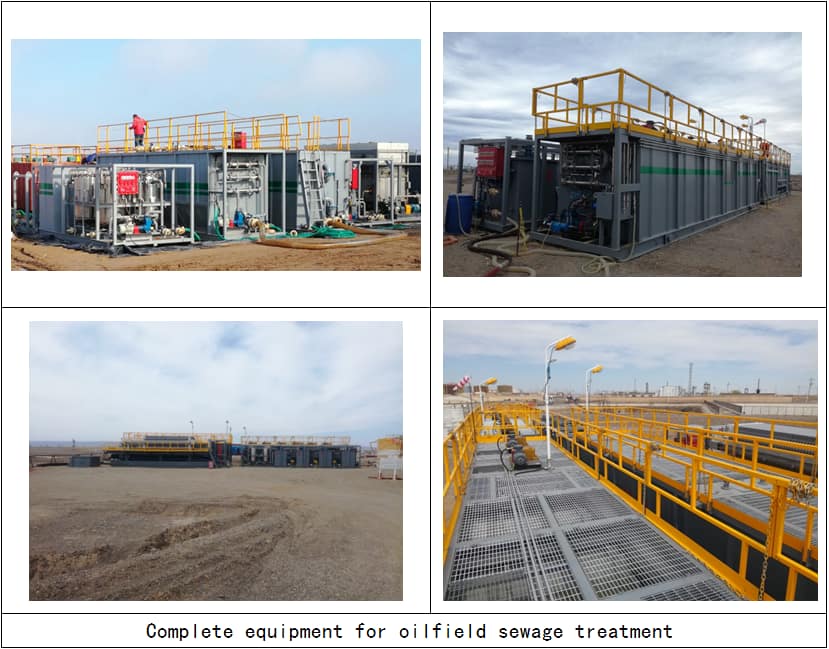
Oilfield produced water management has become one of the most operationally complex and financially significant challenges facing upstream oil and gas operators worldwide. For every barrel of oil produced, oilfields generate anywhere from three to ten barrels of produced water — a complex mixture of dissolved salts, suspended solids, residual hydrocarbons, heavy metals, naturally occurring radioactive materials (NORM), and chemical treatment additives that cannot be discharged to the environment without rigorous treatment. Environmental regulatory frameworks across major producing regions are tightening discharge and reinjection quality standards year over year, with non-compliance penalties escalating in both financial severity and reputational consequence. Simultaneously, freshwater scarcity in arid producing regions is forcing operators to maximize produced water reuse for drilling, fracturing, and enhanced recovery operations — placing additional demands on treatment system performance and reliability. Against this backdrop, investing in purpose-engineered Oilfield Sewage Treatment Equipment that combines regulatory compliance capability with cost-efficient, field-reliable operation is no longer optional — it is a fundamental operational requirement. The VANCE Oilfield Sewage Treatment Equipment range is purpose-designed to meet this requirement across the full diversity of oilfield produced water treatment applications.
Key Advantages of VANCE Oilfield Sewage Treatment Equipment
- Multi-Stage Treatment Process Architecture: The VANCE Oilfield Sewage Treatment Equipment integrates a complete multi-stage treatment train — including gravity separation, induced gas flotation (IGF), multimedia filtration, hydrocyclone deoiling, and chemical coagulation/flocculation dosing — within a single skid-mounted or truck-mounted package, eliminating the need for multiple independently procured treatment units and the associated integration complexity, footprint, and capital expenditure.
- High Oil Removal Efficiency: The VANCE produced water treatment equipment is engineered to reduce total oil and grease (TOG) content in treated effluent to below 10 mg/L from inlet concentrations exceeding 2,000 mg/L in a single treatment pass — meeting or exceeding the discharge and reinjection quality standards applicable in the majority of global oilfield regulatory jurisdictions, including API RP 45, China GB 8978, and equivalent regional standards.
- Automated Chemical Dosing System: An integrated programmable chemical dosing system precisely meters coagulant, flocculant, scale inhibitor, biocide, and oxygen scavenger chemical injection rates in real time as a function of continuously monitored inlet water quality parameters — optimizing chemical consumption, minimizing chemical cost per barrel of treated water, and maintaining consistent effluent quality despite the significant variability in produced water composition that is characteristic of field production operations.
- Compact Skid-Mounted or Mobile Design: Recognizing the space constraints and mobility requirements of active oilfield production environments, VANCE engineers the Oilfield Sewage Treatment Equipment in compact skid-mounted configurations optimized for helicopter-accessible remote locations, as well as truck-mounted mobile configurations that can be repositioned between wellpads without heavy lift equipment — providing operational flexibility that fixed-installation treatment facilities cannot match.
- Corrosion-Resistant Wetted Materials: All components of the VANCE oilfield sewage treatment system that contact produced water are constructed from corrosion-resistant materials including duplex stainless steel, FRP-lined carbon steel, and HDPE piping — selected to withstand the high-chloride, high-TDS, and potentially H₂S-containing produced water chemistries encountered across global oilfield environments without accelerated corrosion degradation that compromises treatment performance and requires costly premature component replacement.
- Real-Time Water Quality Monitoring: Inline instrumentation including oil-in-water analyzers, turbidity sensors, pH transmitters, conductivity meters, and flow totalizers provide continuous real-time effluent quality data — enabling operators to verify regulatory compliance continuously, detect process upsets immediately, and generate the automated treatment records required for environmental regulatory reporting without manual sampling and laboratory analysis delays.
- High System Availability and Low Maintenance Design: The VANCE produced water treatment equipment is engineered with redundant process trains for critical treatment stages, quick-release filter element housings for rapid media changeout, and self-cleaning hydrocyclone separators — minimizing both planned maintenance downtime and the risk of unplanned treatment system outages that could force operators to halt production or resort to costly emergency produced water disposal.
- Treated Water Reuse Capability: For operators seeking to reduce freshwater procurement costs and minimize produced water disposal volumes, the VANCE Oilfield Sewage Treatment Equipment can be configured with a polishing treatment stage — incorporating membrane filtration or advanced oxidation — that elevates treated water quality to the standards required for reuse as hydraulic fracturing base fluid, waterflood injection water, or drilling fluid makeup water, creating a direct revenue offset against treatment operating costs.
- Sludge Dewatering Integration: The treatment process inevitably generates oil-containing sludge from the separation and flotation stages. The VANCE system includes an integrated sludge dewatering module using centrifugal or filter press technology that reduces sludge volume by up to 80%, significantly lowering the cost and logistical complexity of sludge disposal while recovering residual hydrocarbons from the sludge stream for inclusion in the oil production stream.
- Scalable Capacity Modular Design: VANCE oilfield sewage treatment systems are available in treatment capacities ranging from 500 to 50,000 barrels per day, with modular parallel train architecture that allows capacity to be scaled incrementally as field production rates and produced water volumes increase — protecting the initial capital investment and avoiding the over-specification costs common when operators must select between fixed-size conventional treatment units.
How VANCE Oilfield Sewage Treatment Equipment Helps Meet Regulations and Reduce Costs
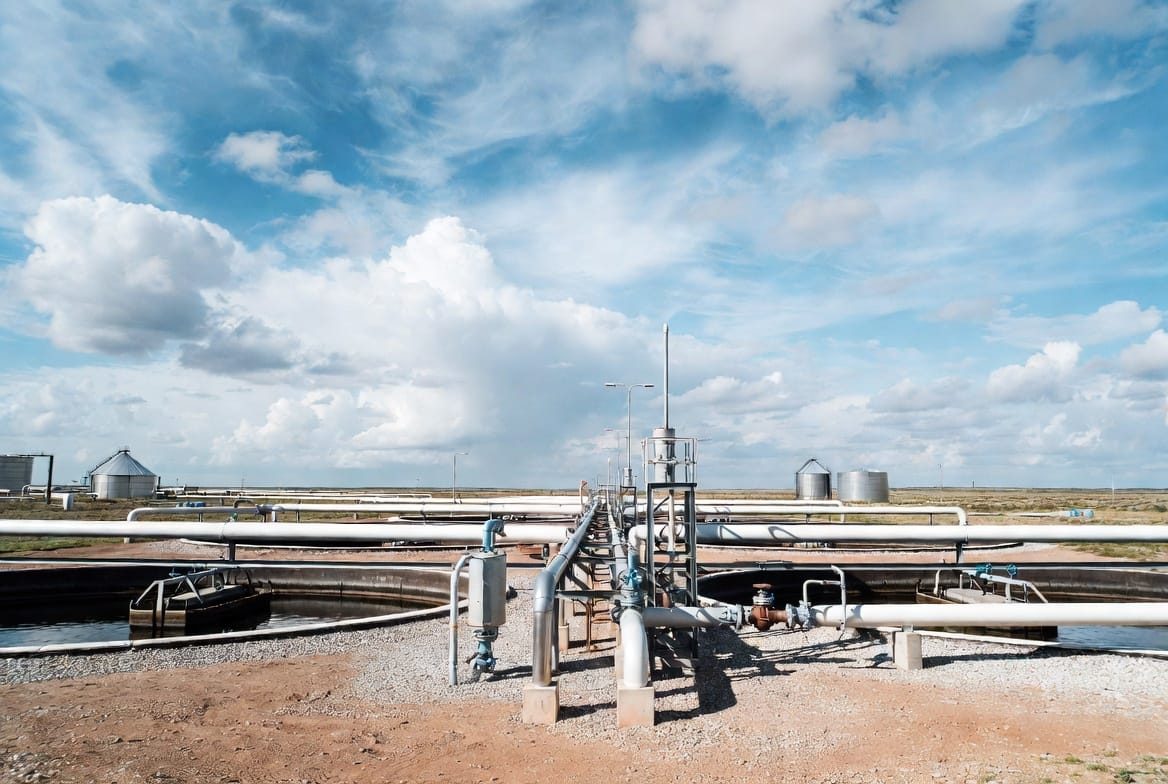
The economics of oilfield produced water management are fundamentally transformed when operators replace conventional practices — trucking produced water to centralized disposal facilities or operating oversized fixed treatment plants — with purpose-engineered, field-deployable Oilfield Sewage Treatment Equipment from VANCE.
Produced water trucking costs in mature producing regions typically range from USD 3 to USD 12 per barrel depending on haul distance, road conditions, and regional logistics market pricing. For a mid-scale oilfield production facility generating 5,000 barrels per day of produced water, this equates to a disposal logistics cost of USD 5.5 million to USD 22 million per year before accounting for disposal facility gate fees, regulatory compliance costs, or the environmental liability exposure associated with trucking large volumes of hazardous oilfield waste on public roads. Deploying VANCE produced water treatment equipment on-site reduces this cost structure by eliminating the majority of trucking volume — with the treated water either meeting direct discharge standards or being reused on-site for waterflood injection or fracturing fluid makeup, further offsetting freshwater procurement costs that can add USD 1 to USD 5 per barrel for operators in water-scarce regions.
From a regulatory compliance perspective, the VANCE Oilfield Sewage Treatment Equipment‘s continuous inline monitoring and automated data logging capability provides operators with the documented compliance records that regulatory authorities require — replacing the costly, time-delayed manual sampling and laboratory analysis programs that are the only compliance verification method available with conventional treatment approaches. This transition from periodic manual compliance verification to continuous automated compliance monitoring also provides early warning of process performance deviations before they result in regulatory violations, avoiding the permit suspension risks, production halt orders, and financial penalties — which in many jurisdictions now exceed USD 100,000 per violation per day — that accompany documented non-compliance events.
Compared to conventional fixed-installation treatment plants requiring civil construction, extensive piping infrastructure, and multi-year lead times from project approval to commissioning, the VANCE skid-mounted oilfield sewage treatment system can be delivered, installed, and commissioned in weeks rather than years — dramatically accelerating the timeline to compliance and cost reduction for operators facing regulatory pressure or production ramp-up schedules that cannot accommodate extended treatment infrastructure construction programs. This operational agility complements other mobile oilfield service assets; operators managing complex wellsite fluid systems — including those using the VANCE Well Flushing Wax Removal Truck for wellbore maintenance — benefit from having all fluid handling and treatment equipment optimized for rapid field mobilization and demobilization.
Real-World Applications in Modern Oilfield Operations
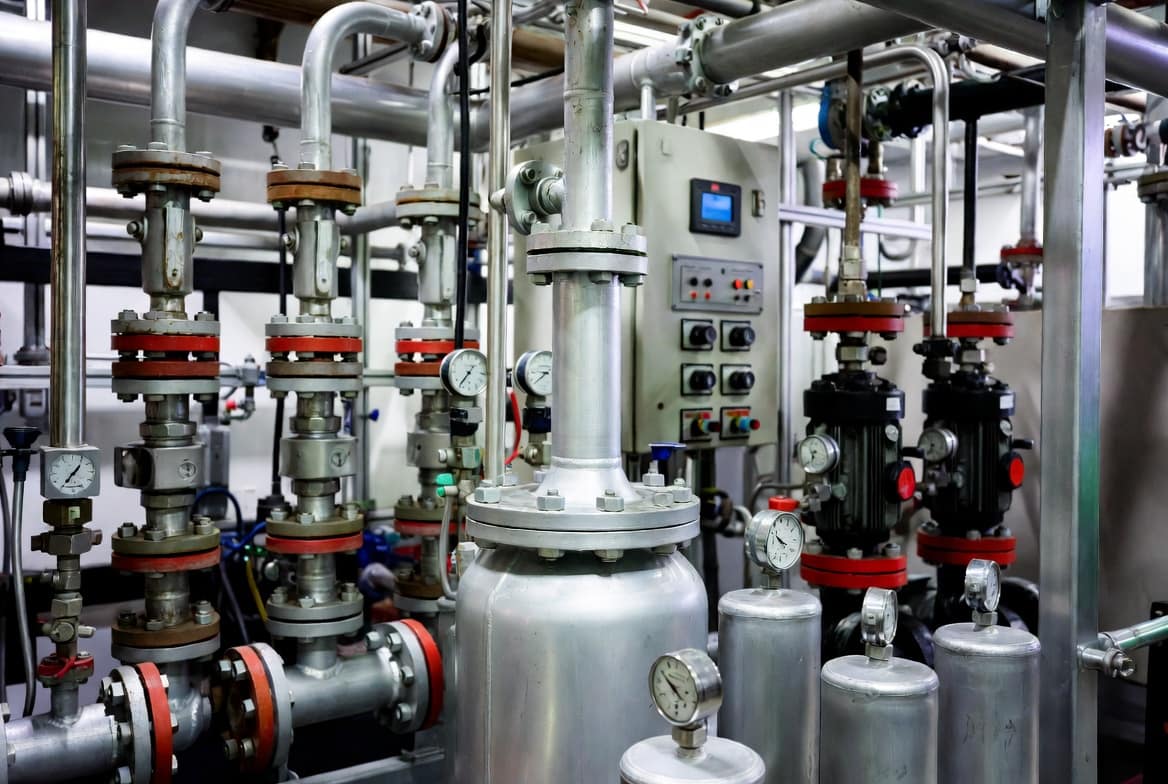
The VANCE Oilfield Sewage Treatment Equipment range is deployed across a wide spectrum of upstream oilfield produced water management applications:
- Produced Water Treatment for Regulatory-Compliant Discharge: In onshore oilfields where produced water surface discharge is permitted under strict quality conditions, VANCE produced water treatment equipment consistently achieves effluent TOG concentrations below 10 mg/L, suspended solids below 5 mg/L, and COD reductions exceeding 95% — meeting the most stringent applicable discharge standards and providing operators with the continuous compliance documentation required by regulatory authorities.
- Produced Water Reuse for Hydraulic Fracturing: In water-scarce tight oil and gas producing regions where freshwater availability for fracturing operations is a significant operational constraint, VANCE oilfield sewage treatment systems treat produced water to the quality specifications required by fracturing fluid system chemists for reuse as fracturing base fluid — reducing freshwater procurement costs and eliminating disposal costs simultaneously. Operators exploring complementary methods for optimizing wellsite fluid management can also review how hot oil flushing trucks improve paraffin removal efficiency as part of an integrated wellbore management approach.
- Drilling Mud and Rig Wastewater Treatment: Beyond produced water, VANCE Oilfield Sewage Treatment Equipment is applied to treat drilling rig wastewater streams including mud pit overflow, rig washdown water, and cementing returns — treating these complex mixed waste streams to standards suitable for on-site reuse or compliant disposal and reducing the volume of hazardous waste requiring off-site disposal management.
- Waterflood Injection Water Quality Management: In mature oilfields using waterflood enhanced recovery, injection water quality has a direct impact on injectivity, reservoir sweep efficiency, and the operating life of injection well completions. The VANCE produced water treatment equipment, configured for injection water polishing service, removes the suspended solids, residual oil, and microbial content from treated produced water that would otherwise cause injectivity damage — protecting the economic performance of waterflood operations. For operators also managing thermal recovery programs, the VANCE Boiler Truck provides a complementary solution for steam generation in heavy oil recovery applications, and the broader operational context for these techniques is explored in our article on the role of boiler trucks in heavy oil recovery and effective wax control.
As environmental regulations governing oilfield produced water management continue to tighten across all major producing regions, and as freshwater scarcity increasingly constrains oilfield operations in arid and semi-arid environments, the strategic and economic case for investing in high-performance, field-deployable Oilfield Sewage Treatment Equipment has never been more compelling. The VANCE oilfield sewage treatment system range delivers the treatment performance, operational reliability, regulatory compliance capability, and total cost of ownership advantages that upstream operators require to manage produced water sustainably and economically across the full life cycle of their oilfield assets. Contact the VANCE technical sales team at [email protected] to discuss your specific produced water treatment requirements, request detailed technical specifications and process design data for the VANCE Oilfield Sewage Treatment Equipment product range, or obtain a commercial proposal tailored to your field’s produced water volume, quality characteristics, and regulatory compliance objectives.