
Some nitrogen jobs fail before the unit reaches the location. The problem is not the nitrogen itself; it is the distance between the supply point and the well site. Cylinders are late, liquid nitrogen trucks are tied up elsewhere, or the access road is too poor for a heavy delivery schedule. For those projects, a nitrogen generation truck gives the crew a steadier answer: make the gas where it is needed, then feed the operation at a controlled rate.
This article is written for contractors who already know they need nitrogen, but are not sure whether on-site generation is the right route. The focus is pipeline purging, well intervention, pressure support, and oilfield service work where a mobile nitrogen source can remove several awkward steps from the job plan.
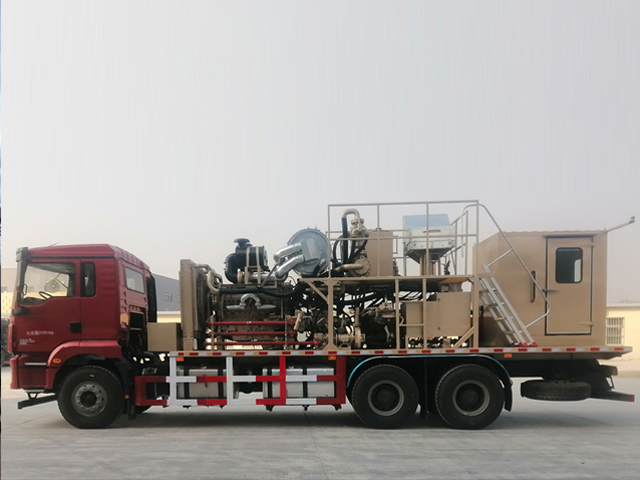
Where On-Site Nitrogen Earns Its Keep
The clearest case is a remote or repeated job. If a crew only needs a small amount of nitrogen once a year, delivered nitrogen may still be reasonable. But in fields where purging, pressure testing, coiled-tubing support, or well intervention happens regularly, the transport chain becomes part of the cost. A truck-mounted generator cuts that chain down to fuel, intake air, power, separation, control, and delivery.
Pipeline purging is a good example. Operators need inert gas in a predictable flow, not a dramatic burst of capacity that disappears when the supply truck leaves. A mobile nitrogen unit can be staged close to the work area, adjusted as the line condition changes, and moved to the next section without rebuilding the whole supply plan.
Liquid Nitrogen Delivery or Nitrogen Generation Truck?
| Question | Delivered Nitrogen | On-Site Generation Truck |
|---|---|---|
| Best fit | Short jobs near reliable suppliers | Remote jobs, repeated work, uncertain schedules |
| Operational risk | Delivery delays and supply coordination | Requires equipment maintenance and trained operators |
| Planning style | Book supply before the job | Plan fuel, power, output, purity, and duty cycle |
| Field flexibility | Limited by delivered volume | Better for changing job durations |
The point is not that one method is always better. The point is to match the supply method to the field. In a tight city project, delivered nitrogen may be simple. In a desert field with long movement distances, a generation truck can keep a crew from waiting on logistics.
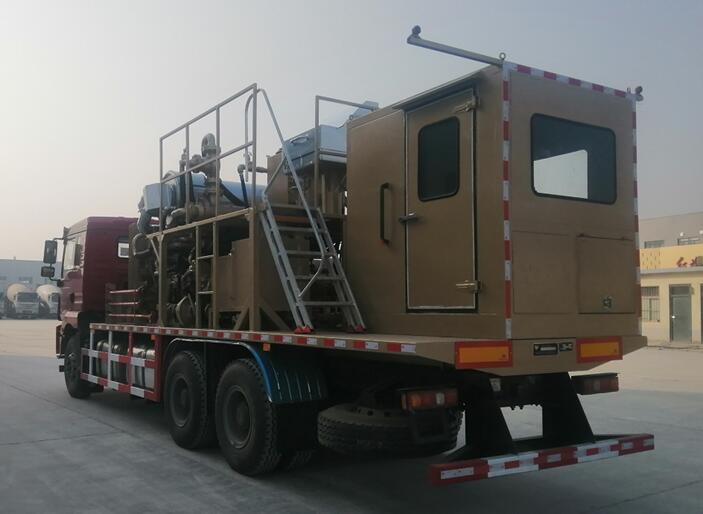
Specification Notes Buyers Should Not Skip
- Purity requirement: Do not specify purity by habit. Pipeline purging, inerting, and intervention support may not need the same purity level.
- Output and duty cycle: Ask how long the unit must run continuously, not only the peak output figure.
- Compressor and membrane layout: These choices affect service access, energy use, and the stability of gas supply.
- Destination climate: Heat, dust, and altitude can affect air systems more than buyers expect.
- Connected equipment: For pressure-pumping work, review how the nitrogen unit will coordinate with a fracturing truck or triplex plunger pump.
A Practical Way to Discuss the Quotation
Instead of asking only for a model, describe the job. How far is the field from a supply base? Is the nitrogen used for purging, pressure support, lifting, or general service? How long does a typical operation last? What chassis type can move safely on the road? These details help Henan Vance Petroleum Machinery Co., Ltd. shape the equipment around the job rather than around a catalog line.
Buyers comparing the broader value of this equipment can also read Vance Petro’s article on why nitrogen generation trucks are becoming essential in modern oilfield operations. For a contractor building a service fleet, the nitrogen truck is often not the first purchase, but it is the one that can protect schedules once nitrogen demand becomes regular.
A good nitrogen generation truck should feel uneventful in service. It starts when needed, holds the required output, and lets the crew finish the work without a separate supply argument every morning. That is the quiet value buyers are usually looking for.
Continue your equipment research
Compare the equipment pages and technical notes most closely connected to this topic.