
A nitrogen generation truck is becoming one of the most useful mobile support units in modern oilfield operations. Operators use nitrogen for purging, pressure testing, pipeline drying, well cleanout, coiled tubing support, inerting, and selected stimulation or production support tasks. In many fields, delivered liquid nitrogen is still available, but it is not always the most flexible or economical solution. Remote locations, uncertain job schedules, road limitations, and high transportation costs can make external nitrogen supply difficult to manage. An on-site nitrogen generation truck helps the crew produce nitrogen where the work is actually happening.
Henan Vance Petroleum Machinery Co., Ltd. is an oilfield equipment manufacturer based in Puyang, Henan, close to China’s Zhongyuan Oilfield. The company focuses on practical equipment for well servicing, production support, heating, pressure pumping, nitrogen generation, cementing, fracturing, sewage treatment, and related oil and gas operations. For international buyers, Vance Petro can support product configuration, export documentation, spare parts planning, and technical communication before production.
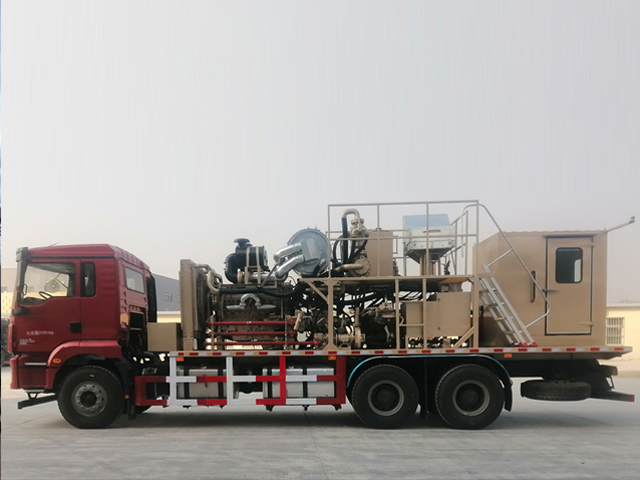
Why On-Site Nitrogen Generation Matters
Nitrogen is valuable because it is dry, stable, and nonflammable under normal service conditions. It can displace oxygen, reduce moisture, support pipeline commissioning, assist pressure testing, and help create a safer atmosphere in selected systems. The practical challenge is not whether nitrogen is useful. The real question is whether the operation can receive the right flow rate, pressure, and purity at the right time without waiting for a third-party delivery schedule.
A mobile nitrogen generation unit reduces that dependency. Instead of moving liquid nitrogen tanks to every job site, the truck uses ambient air, compression, filtration, drying, and nitrogen separation technology to create usable nitrogen in the field. For oilfield service companies, this means faster response to customer jobs. For operators, it means better control over planning, fewer logistics bottlenecks, and less exposure to delivery delays.
Main Components of a Nitrogen Generation Truck
A complete unit normally includes an air compressor, inlet filtration, air dryer, oil and water removal stages, nitrogen separation modules, buffer tanks, pressure control, valves, monitoring instruments, a control panel, and sometimes a booster compressor for high pressure delivery. The chassis, enclosure, ventilation, access platform, power system, and piping layout also matter because the equipment must work in field conditions rather than in a clean factory environment.
The separation system is usually selected according to purity, flow, pressure, working hours, ambient temperature, and maintenance expectations. For many oilfield jobs, PSA nitrogen generation is a practical choice because it can be configured for different operating requirements. However, the nitrogen module is only one part of the system. If the compressor is undersized, the dryer is weak, or the filtration system cannot handle dust and humidity, the complete truck will not perform reliably during long jobs.
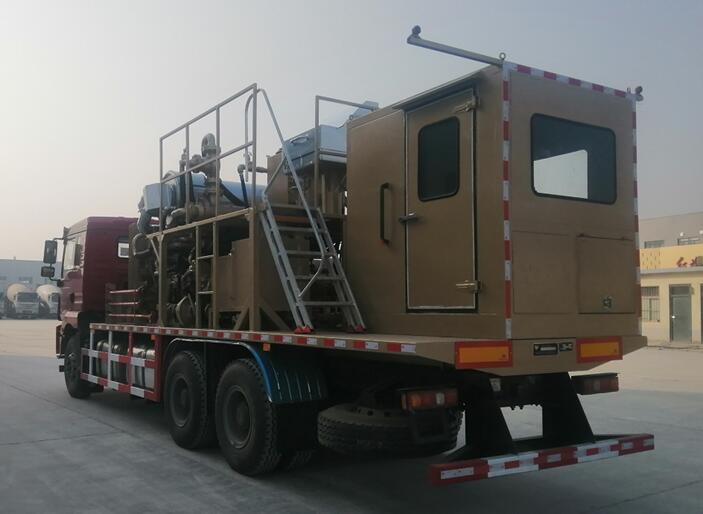
Common Oilfield Applications
Pipeline Purging and Drying
Before pipelines or process equipment enter service, they often need to be dried, purged, or inerted. Nitrogen can remove moisture and oxygen from the system and reduce risk during startup. A truck-mounted unit allows the crew to move from one worksite to another without waiting for separate nitrogen deliveries.
Well Unloading and Cleanout Support
In selected well service operations, nitrogen can help reduce hydrostatic pressure and support fluid removal from the wellbore. The exact application depends on well design, pressure limits, fluid properties, and the operator’s program. A mobile nitrogen truck gives the service company a controllable gas supply when the required flow and pressure are within the unit’s capacity.
Pressure Testing and Inerting
Nitrogen is commonly used where air would be unsuitable because it does not support combustion. This makes it useful in pressure testing, leak testing, and inerting jobs when handled according to the project safety plan. The truck must provide stable pressure control, reliable valves, and clear instrumentation so the crew can monitor the operation safely.
What International Buyers Should Specify
Before purchasing a nitrogen generation truck, the buyer should define the actual operating scenario. Important details include nitrogen purity, flow rate, discharge pressure, working hours per day, ambient temperature range, altitude, preferred chassis, fuel type, local emission requirements, electrical system, control language, transport limits, and spare parts expectations. A general request for a “nitrogen truck” is not enough for a reliable configuration.
The climate and location are equally important. A desert oilfield may require strong cooling, dust protection, and robust filters. A cold region may require winterization, heating, and special startup procedures. Remote projects may require a larger spare parts package because local supply can be slow. These details should be discussed before production, not after the unit arrives at the destination.
Internal Resources and Related Equipment
The product page for Nitrogen Generation Truck is the best starting point for buyers evaluating this unit. Vance Petro has also published an article explaining why nitrogen generation trucks are becoming essential in modern oilfield operations. Depending on the job, buyers may also compare pressure pumping equipment such as the Triplex Plunger Pump or stimulation equipment such as the Fracturing Truck.
Maintenance, Safety, and Operator Training
A good nitrogen generation truck should be easy to inspect and maintain. Filters, dryers, compressors, valves, sensors, and control components should be accessible. The operator should be able to monitor pressure, purity, temperature, alarms, running status, and emergency shutdown functions clearly. Maintenance intervals should be documented, and a spare parts package should be selected according to the destination market.
Nitrogen also requires proper safety awareness. It can displace oxygen and create an asphyxiation hazard in poorly ventilated spaces. High pressure gas requires strict connection, pressure release, and emergency procedures. Training should cover startup, shutdown, purging, safe connection, emergency stop, and routine inspection. Reliable equipment and trained operators work together; one cannot replace the other.
Conclusion
A nitrogen generation truck is a practical investment for oilfield operators and service companies that need reliable nitrogen supply without depending completely on delivered gas. The best unit is not simply the largest or the cheapest. It is the unit that matches the project’s pressure, flow, purity, climate, transport, maintenance, and safety requirements. Vance Petro can help international buyers configure on-site nitrogen equipment for demanding oilfield service conditions.
Continue your equipment research
Compare the equipment pages and technical notes most closely connected to this topic.