
Industrial burner maintenance becomes more than routine service when the burner is working in an oilfield heating unit. A burner may support boiler trucks, heavy-oil heating, wax-control work, tank heating, or mobile steam service. If it becomes unstable, the problem is not only fuel consumption; it can delay production support, create safety risk, and damage customer confidence in the entire heating package.
Henan Vance Petroleum Machinery Co., Ltd. supplies oilfield heating equipment where the burner, boiler, fuel system, airflow, controls, and field service access must work together. This article looks at maintenance from the viewpoint of a service crew that needs reliable heat in dusty, mobile, and sometimes cold operating conditions.
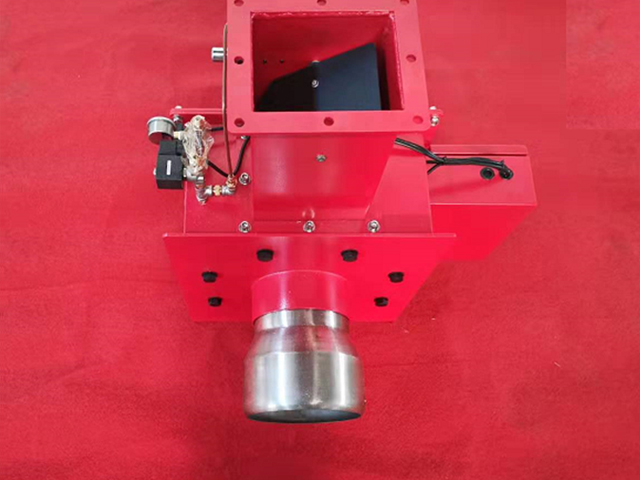
Maintenance Starts With Combustion Behavior
A good technician listens to the burner before reaching for parts. Flame instability, delayed ignition, black smoke, abnormal vibration, repeated shutdowns, or rising fuel use can all point to different causes. Some are burner problems. Others come from fuel quality, blocked air passages, incorrect adjustment, weak sensors, poor draft, or a boiler-side condition that changes the burner’s working environment.
That is why the oilfield burner should be treated as part of a system. Replacing parts without checking fuel, air, and controls can make a service record look busy while leaving the root cause untouched.
Symptom and Response Table
| Observed Symptom | Likely Area to Inspect | Field Response |
|---|---|---|
| Black smoke or soot | Air setting, nozzle condition, fuel quality. | Clean air path, inspect nozzle, adjust combustion carefully. |
| Frequent ignition failure | Ignition electrode, sensor, fuel supply, control sequence. | Check wiring, ignition gap, pressure, and interlocks. |
| Unstable flame | Draft, fuel pressure, burner head, airflow. | Stabilize supply conditions before changing major parts. |
| High fuel use | Combustion efficiency, boiler load, insulation loss. | Review burner tuning and the heating duty together. |
Daily Checks That Prevent Bigger Repairs
- Look for fuel leaks, loose fittings, damaged wiring, and abnormal smell before start-up.
- Check whether air inlets and burner surroundings are free from dust and obstruction.
- Confirm that flame detection and safety interlocks are not bypassed by operators.
- Record ignition behavior, flame condition, exhaust appearance, and shutdown alarms.
- Keep nozzles, electrodes, sensors, seals, and basic electrical parts available for planned service.
Why Boiler Truck Buyers Should Care
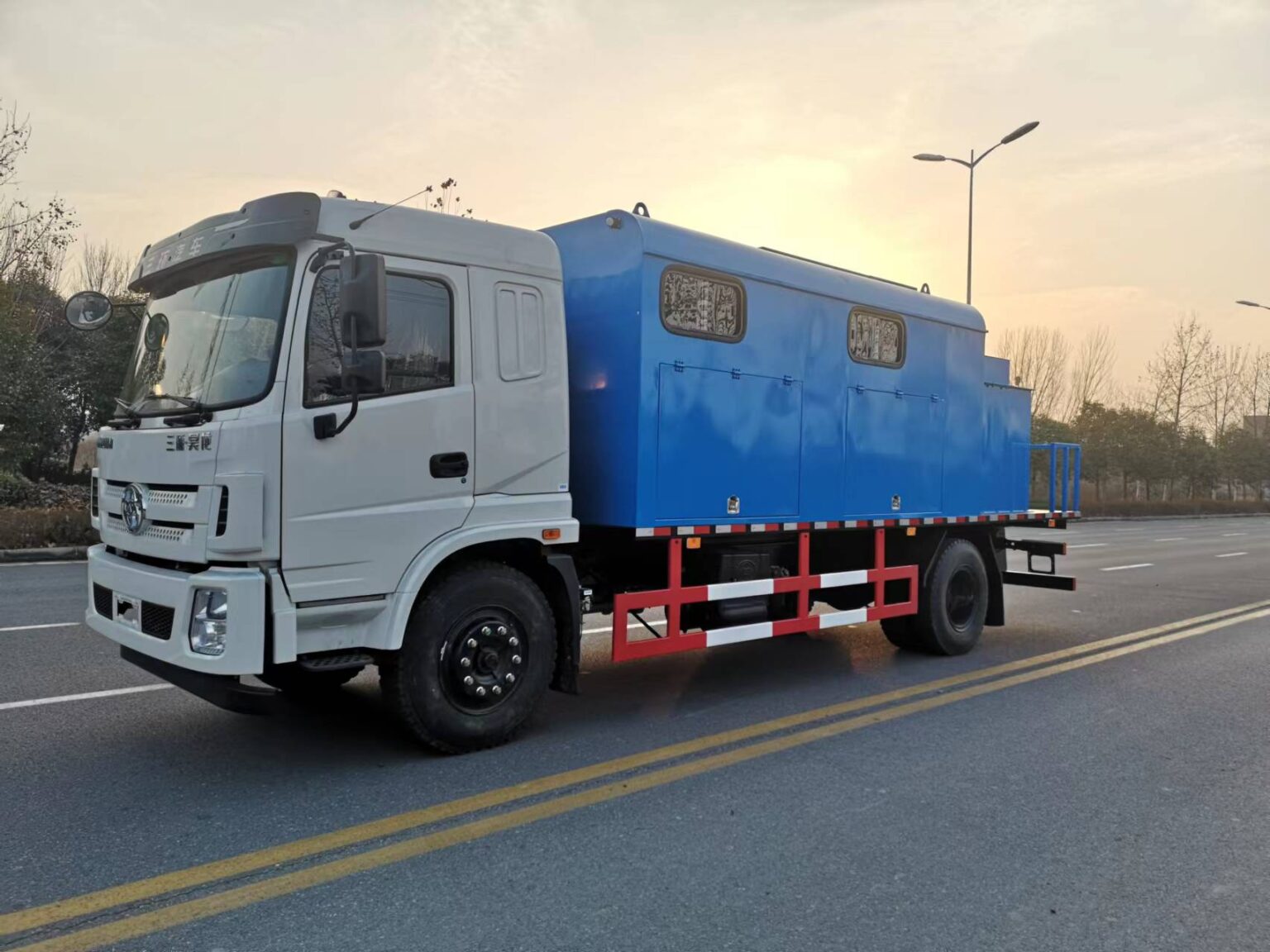
When a buyer selects a boiler truck, the boiler capacity often gets most of the attention. In daily work, however, burner serviceability can decide how much of that capacity is actually available. A burner that is hard to inspect, hard to clean, or sensitive to minor fuel variation can turn a capable heating unit into a maintenance burden.
The same logic applies to a vehicle mounted special boiler. Mobile equipment needs maintenance points that are reachable in the field, not only in a clean workshop. Buyers should ask where common consumables are located, how the operator reads alarms, and how long normal cleaning should take.
Service Planning for Export Projects
For overseas customers, burner maintenance should be discussed before shipment. Local fuel type, altitude, ambient temperature, dust level, operator training, and spare-parts logistics all affect the final support plan. If the unit will work far from a major service center, the buyer should request a more practical spare-parts kit and clear operating guidance.
FAQ
Is burner maintenance only about cleaning?
No. Cleaning is important, but adjustment, sensor checks, fuel supply, electrical safety, and combustion observation are equally important.
Can poor burner maintenance damage the boiler?
Yes. Unstable combustion, soot, and incorrect firing conditions can reduce heat transfer and increase stress on the heating system.
Should every site tune the burner the same way?
No. Fuel, air conditions, and workload differ. Tuning should follow the equipment instructions and actual site conditions.
For related context, see Vance Petro’s article on high-performance oilfield burners in modern oilfield heating operations. Reliable burner maintenance is quiet work, but it is the work that keeps heating service available when the field needs it.
Continue your equipment research
Compare the equipment pages and technical notes most closely connected to this topic.