
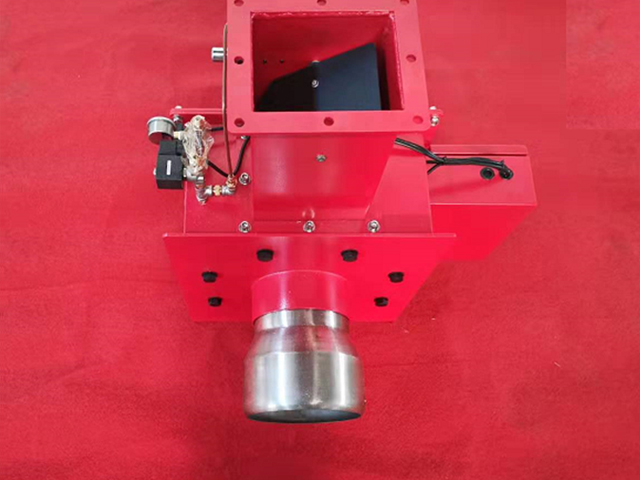
Boiler burner efficiency is not only a fuel bill issue. In oilfield heating work, it also affects whether a boiler truck reaches working temperature on time, holds steady heat during long service jobs, and avoids repeated adjustment at remote pads. A boiler burner may look like one component, but in field operation it shapes the whole heating system.
This guide is written for buyers comparing boiler burner options, especially in oilfields where fuel quality, ambient temperature, duty cycle, and maintenance access are not ideal. The best oilfield burner is not always the largest one. It is the unit that fits the heat demand, supports sensible fuel use, and stays manageable after months of field work.
Why Boiler Burner Efficiency Changes the Boiler Truck
A boiler truck depends on a stable heating process. If the boiler burner is poorly matched, the operator may see uneven heat output, higher fuel use, ignition trouble, smoke problems, or extra maintenance. In heavy oil recovery, wax removal, pipeline heating, and winter service work, those small issues can interrupt the whole job.
Buyers sometimes compare boiler units by steam or hot water output but leave burner details until later. That order can create trouble. Fuel type, combustion control, burner adjustment, and service access should be discussed early because they shape the real performance of the heating package.
Boiler Burner Efficiency Selection Matrix
| Buyer Concern | What to Check | Why It Matters |
|---|---|---|
| Fuel availability | Confirm local fuel type, quality range, and supply stability | A burner that fits one fuel source may perform poorly when the field fuel changes. |
| Fuel efficiency | Review combustion control and matching with the boiler load | Small efficiency losses become expensive in repeated heating jobs. |
| Remote service | Check maintenance access, spare parts, and operator training | Burner downtime at a remote pad can stop the entire heating unit. |
| Heavy oil operation | Match burner performance with required heat output and working hours | Heavy oil heating often requires steady duty rather than short demonstration runs. |
Signs the Burner Is Not Matched Well
Field crews usually notice burner problems through behavior rather than specification sheets. The boiler takes longer to reach working condition. Fuel consumption rises. The flame needs frequent adjustment. Soot appears where it should not. Operators begin to treat unstable heating as a normal part of the job. Those are warning signs, not just daily inconvenience.
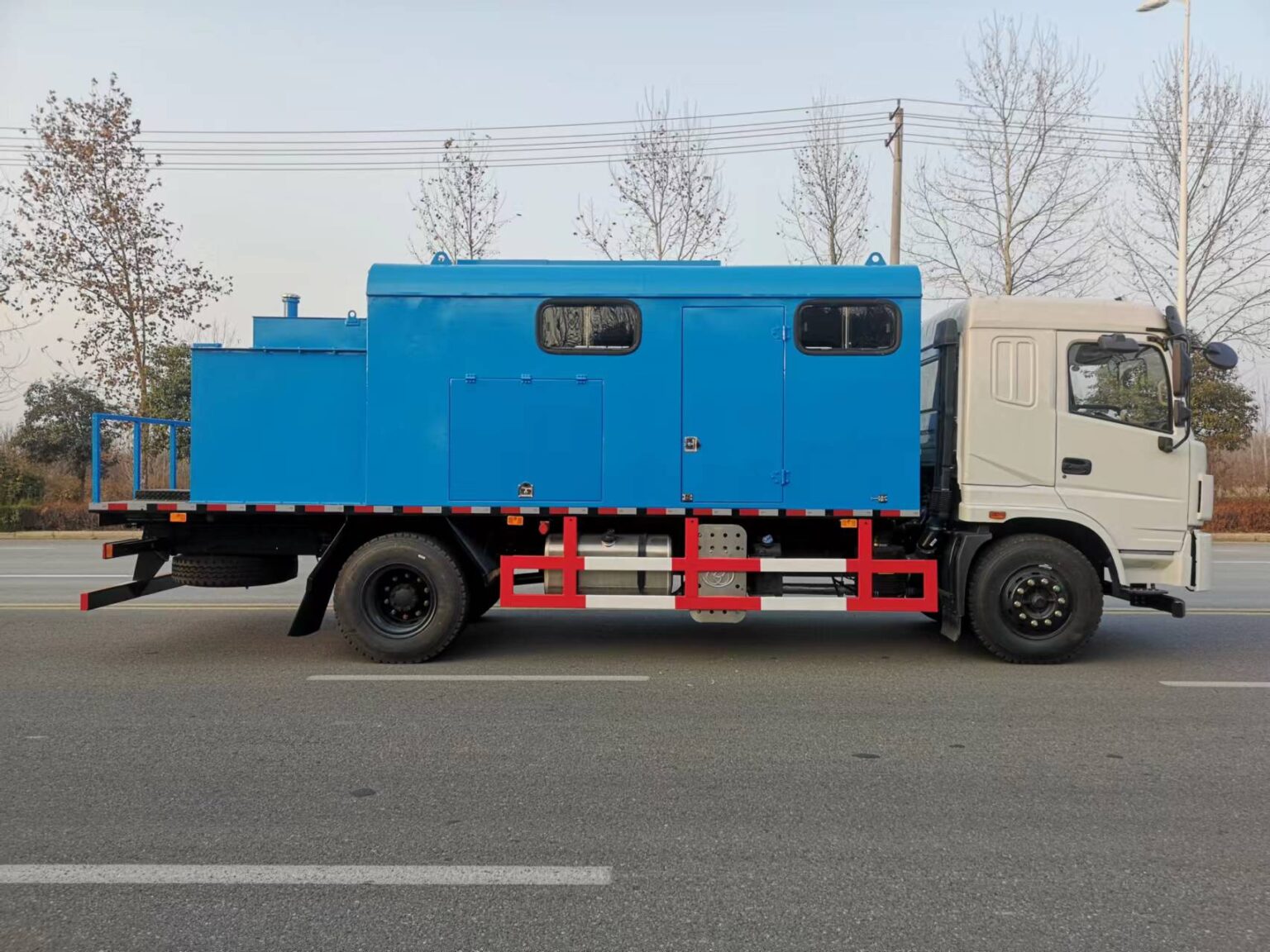
For mobile heating equipment, reliability is as important as output. A burner that requires constant specialist attention may be acceptable in a fixed plant, but it is not ideal for a truck working across scattered oilfield locations.
How to Discuss a Burner Order
- Start with the heating job. Is the equipment used for heavy oil recovery, wax control, pipeline heating, or general oilfield service?
- Confirm the fuel situation. Do not assume the same fuel quality will be available in every destination country or field region.
- Match the burner to the boiler. The burner, boiler body, control system, and truck layout should be selected as one package.
- Plan maintenance before delivery. Spare parts, operator training, and access points should be clear before the equipment enters service.
- Review related heating equipment. Some buyers may need a vehicle mounted special boiler or a full heavy oil heating package, not only a burner.
Where Vance Petro Fits
Henan Vance Petroleum Machinery Co., Ltd. can discuss burner selection as part of a complete oilfield heating system. That matters because a burner chosen in isolation may not match the boiler truck’s working pattern, the customer’s fuel supply, or the service crew’s maintenance ability.
Buyers comparing complete heating packages may also read Vance Petro’s article on boiler trucks in heavy oil recovery and wax control. In many heavy oil projects, the burner is not the most visible component, but it is one of the components most responsible for whether the heating system behaves predictably.
A good oilfield burner should make the boiler truck easier to trust. It should start reliably, use available fuel sensibly, hold the heat demand, and stay serviceable for the people who actually operate the equipment.
Continue your equipment research
Compare the equipment pages and technical notes most closely connected to this topic.