
A cementing unit factory acceptance test should verify the completed package against the approved technical specification and an agreed inspection plan. Buyers need a traceable record of what was checked, which operating conditions were demonstrated and which items remain open before shipment. A running-engine video or a single pressure reading is not a complete acceptance record.
This checklist is intended for procurement planning and witness coordination. The actual test procedure, pressure boundaries and protective measures must be defined and executed by qualified personnel for the specific equipment. Start with the cementing unit configuration and convert each contractual requirement into an inspection item with an acceptance basis.

Agree the inspection plan before scheduling the visit
Obtain the current approved specification, general arrangement, component list, relevant piping information and control description. Record the revision used for the test. If a component changed during manufacture, settle the deviation before the buyer arrives rather than asking the witness to approve an unexplained substitution on the day.
The plan should identify hold points, witness points, documents for review and checks performed by the manufacturer without buyer attendance. Agree notice periods and responsibilities. The buyer's representative should know which results authorize progress and which require a separate decision.
Define the factory services and any differences from intended field operation. Water circulation, for example, can support selected functional checks, but it does not by itself establish mixing performance with every cement slurry. State the test medium and the limits of the evidence in the report.
Use a requirement-to-record checklist
| Inspection area | Buyer review point | Record to retain |
|---|---|---|
| Configuration | Delivered chassis, pump, driver and major components match the agreed scope | Identification list and approved deviation register |
| Layout and access | Connections, guards, access and service points match approved drawings | Inspection checklist with relevant photographs |
| Instrumentation | Ranges, identification and verification status suit the test | Instrument list and applicable calibration evidence |
| Functions | Mixing, circulation, valve operation and controls follow the agreed sequence | Functional test record |
| Pumping performance | Agreed pressure-flow points and duration are demonstrated where included | Recorded conditions and results |
| Protective functions | Approved alarm and shutdown checks are completed | Signed results and unresolved findings |
| Shipment readiness | Documents, loose items, spares and preservation are accounted for | Packing list and release record |
Every row should state the requirement reference, result and disposition. “Checked” without a criterion provides less value than a record showing what was inspected and whether it met the agreed requirement.
Keep pressure-system tests distinct from pumping demonstrations
Pressure-system integrity testing and performance testing answer different questions. The first concerns a defined pressure-containing boundary under an approved procedure; the second concerns operation at specified conditions. Agree both scopes independently where required, including the documents and acceptance authority for each.
Do not infer that maximum pressure and maximum flow can be achieved simultaneously. Ask the supplier to identify the planned operating points, speed, test duration and supporting conditions. Confirm that instrument ranges and accuracy are appropriate for the evidence being collected.
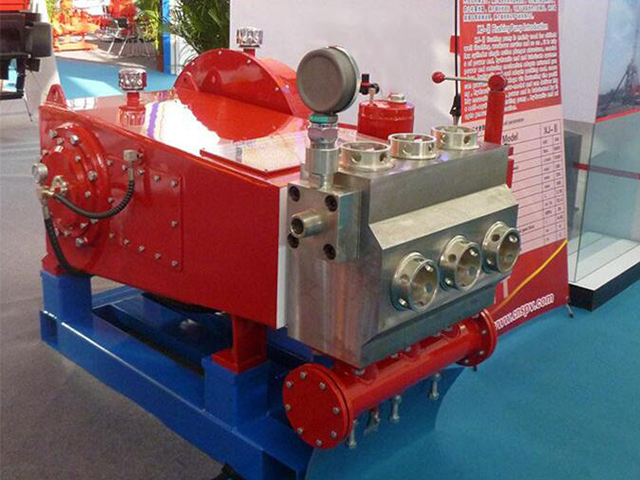
For the triplex plunger pump assembly, review identification and the proposed duty against the package specification. Lubrication, cooling and drive arrangements should also be included in the relevant checks. A compliant component does not automatically prove that its integration is correct.
Review mixing, measurement and controls as a system
Define which mixing and circulation functions can be demonstrated with the chosen test setup. State the measurement basis for density or volume checks where those are included. If a function cannot be demonstrated fully at the factory, record the reason and the agreed method for resolving it later.
Verify the relationship between local instruments, operator displays and stored data where recording is supplied. Agree units, timestamps and export format as applicable. Screens that display plausible values still need an agreed verification basis.
Protective functions should be checked against the approved cause-and-effect or control description using the agreed method. The buyer should receive the results, not improvised instructions to defeat a protective device. Record any simulation used and distinguish it from a complete process response test.
Close findings with clear shipment consequences
Use a punch list that identifies each finding, responsible party, required correction, evidence and agreed completion point. Separate items that prevent shipment from those formally accepted for later completion. The buyer and supplier should both understand the decision; an informal promise is difficult to track after dispatch.
Repeat affected checks after corrective work where appropriate. Record what changed and link the new result to the original finding. Keep final drawings and component lists aligned with the equipment released for shipment.
The existing cementing equipment buyer's specification guide helps settle the purchase scope before this acceptance stage. It is easier to verify an agreed requirement than to negotiate a missing requirement during the factory visit.
Confirm the handover package
- Approved final configuration and documented deviations.
- Inspection and test records with equipment identification.
- Applicable instrument and pressure-system records.
- Operating instructions, maintenance information and parts references.
- Outstanding-item status and agreed shipment authorization.
- Packing, preservation, loose-item and spare-parts lists.
Send Vance Petroleum your proposed FAT and documentation requirements with the equipment inquiry. Early agreement allows the inspection schedule, factory setup and quotation to include the evidence your purchasing team needs before accepting the cementing unit.
Continue your equipment research
Compare the equipment pages and technical notes most closely connected to this topic.