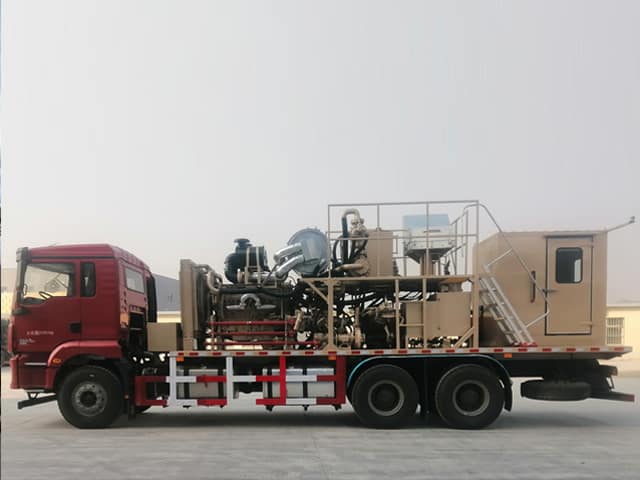
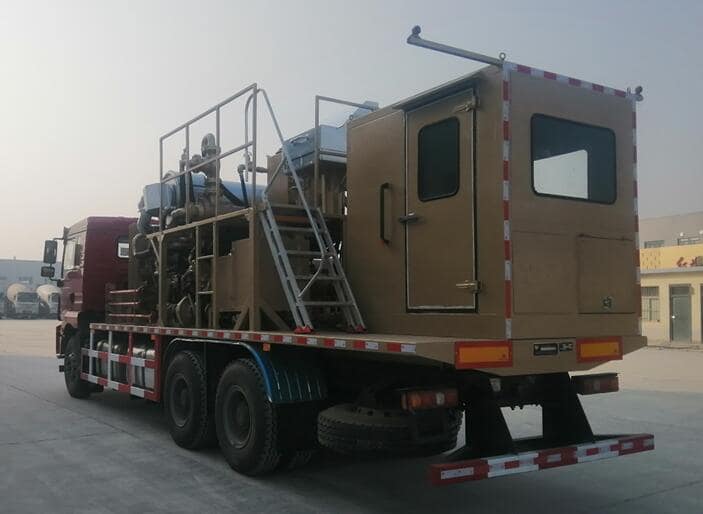
A nitrogen generation truck is useful only when its purity, flow rate, pressure, and deployment method match the job. Pipeline purging, pressure support, inerting, and well intervention work may all use nitrogen, but they do not always need the same purity or delivery profile. Over-specifying the unit can increase cost, while under-specifying it can delay the job.
This planning note gives buyers a practical way to discuss onsite nitrogen supply with Henan Vance Petroleum Machinery Co., Ltd. before ordering a mobile nitrogen package.
Define the Job Before the Purity Number
Some buyers start by asking for the highest nitrogen purity available. In many field jobs, the better question is what oxygen level, flow profile, pressure, and duration the operation actually requires. Pipeline purging may need a different delivery plan than pressure support or inerting a vessel. A clear job profile helps the supplier choose the correct compressor, membrane or generation package, control system, and truck layout.
Purity and Flow Decision Matrix
| Job Condition | Planning Focus | Buyer Question |
|---|---|---|
| Pipeline purging | Continuous flow, oxygen reduction, and stable delivery. | How much line volume must be displaced and how fast? |
| Remote wellsite service | Mobility, fuel supply, operator access, and spare parts. | Can the unit work safely without fixed nitrogen supply? |
| Pressure support | Pressure range, compressor capacity, and connection compatibility. | What maximum pressure and flow profile are required? |
| Intermittent jobs | Startup time, shutdown routine, and maintenance interval. | How often will the truck move between locations? |
Information Buyers Should Provide
- Target nitrogen purity or oxygen limit, if already specified by the project.
- Required flow rate, pressure, and expected continuous operating hours.
- Pipeline volume, purge method, ambient temperature, and site altitude when relevant.
- Fuel availability, chassis preference, road access, and operator skill level.
- Required spare parts, filters, instruments, and maintenance support.
The main internal reference is the Nitrogen Generation Truck. Buyers building a pressure-service fleet may also review the Fracturing Truck and Triplex Plunger Pump pages when nitrogen service is planned around stimulation or pressure support.
Maintenance and Operating Discipline
Nitrogen generation trucks require attention to filtration, compressor health, air supply, generator module condition, instruments, valves, and safe venting. Operators should record purity, flow, pressure, temperature, and alarm events. If the truck works in dusty or hot locations, filter inspection and cooling checks become more important.
For broader context, Vance Petro’s article on why nitrogen generation trucks are becoming essential in modern oilfield operations explains the value of onsite nitrogen supply.
Conclusion
A nitrogen generation truck should be specified around the real field job, not only a catalog purity value. Buyers who define flow, pressure, job duration, connection method, site logistics, and maintenance support can build a more dependable mobile nitrogen package for pipeline purging and oilfield service.