
Mobile boiler rental is a common search phrase because many buyers first meet the problem as an emergency: a field needs steam, hot water, or heat support now, and the team is trying to decide whether a temporary boiler will solve the job. For oilfield operators, the next question is often more strategic: should the company keep renting, or does a dedicated boiler truck make better sense?
Henan Vance Petroleum Machinery Co., Ltd. builds mobile oilfield heating equipment for customers who need repeatable service rather than one short heating event. This guide compares rental logic with ownership logic so buyers can make a cleaner decision before ordering equipment.
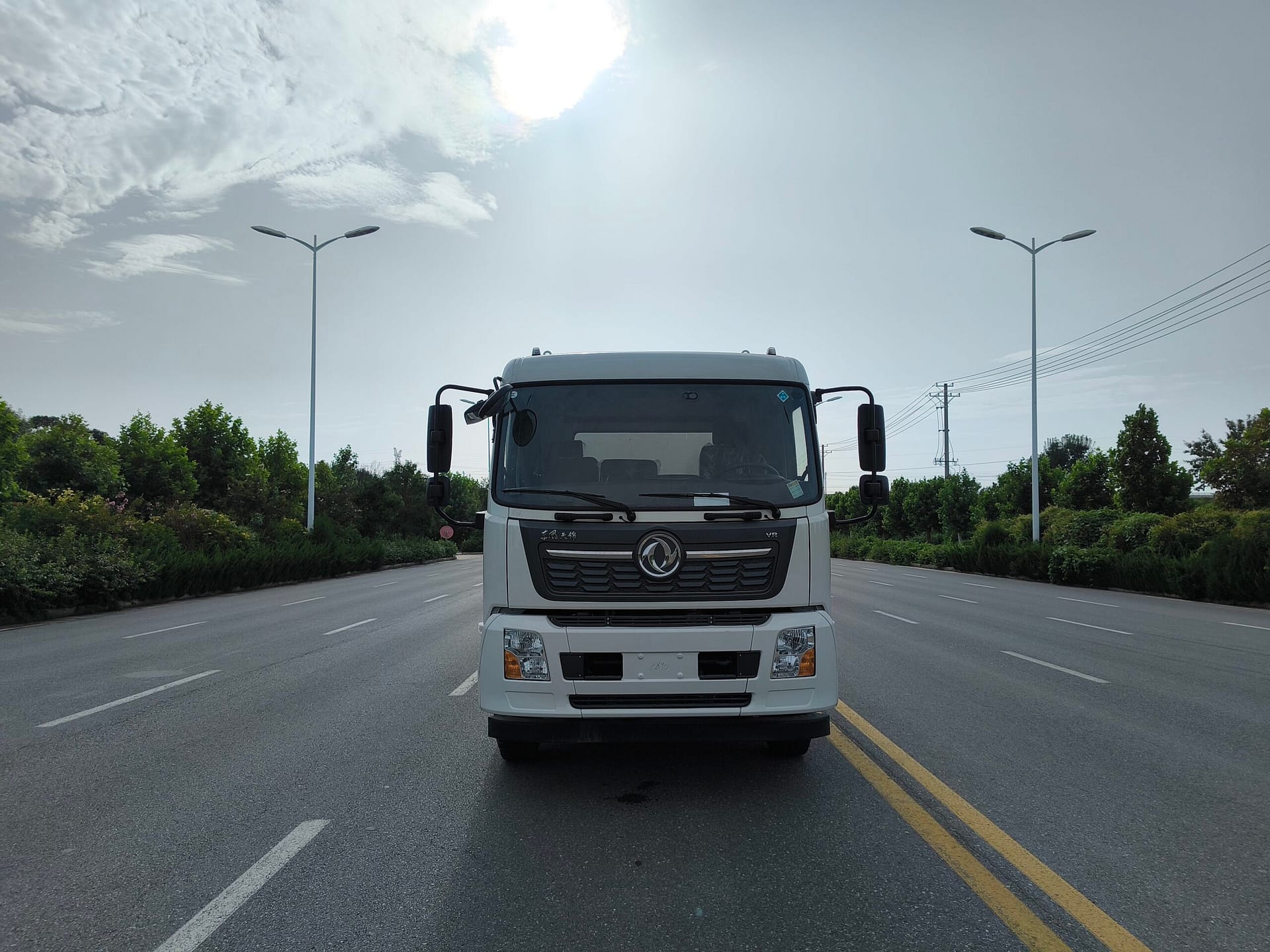
When Rental Thinking Makes Sense
Rental is usually attractive when the heating need is short, uncertain, or outside the buyer’s normal work. It can help an operator cover an emergency outage, a short winter campaign, a temporary tank-heating job, or a one-time commissioning task. The weakness is that rental may not match the site’s exact chassis, burner, fuel, road, or service-access requirements.
When Buying a Boiler Truck Becomes More Logical
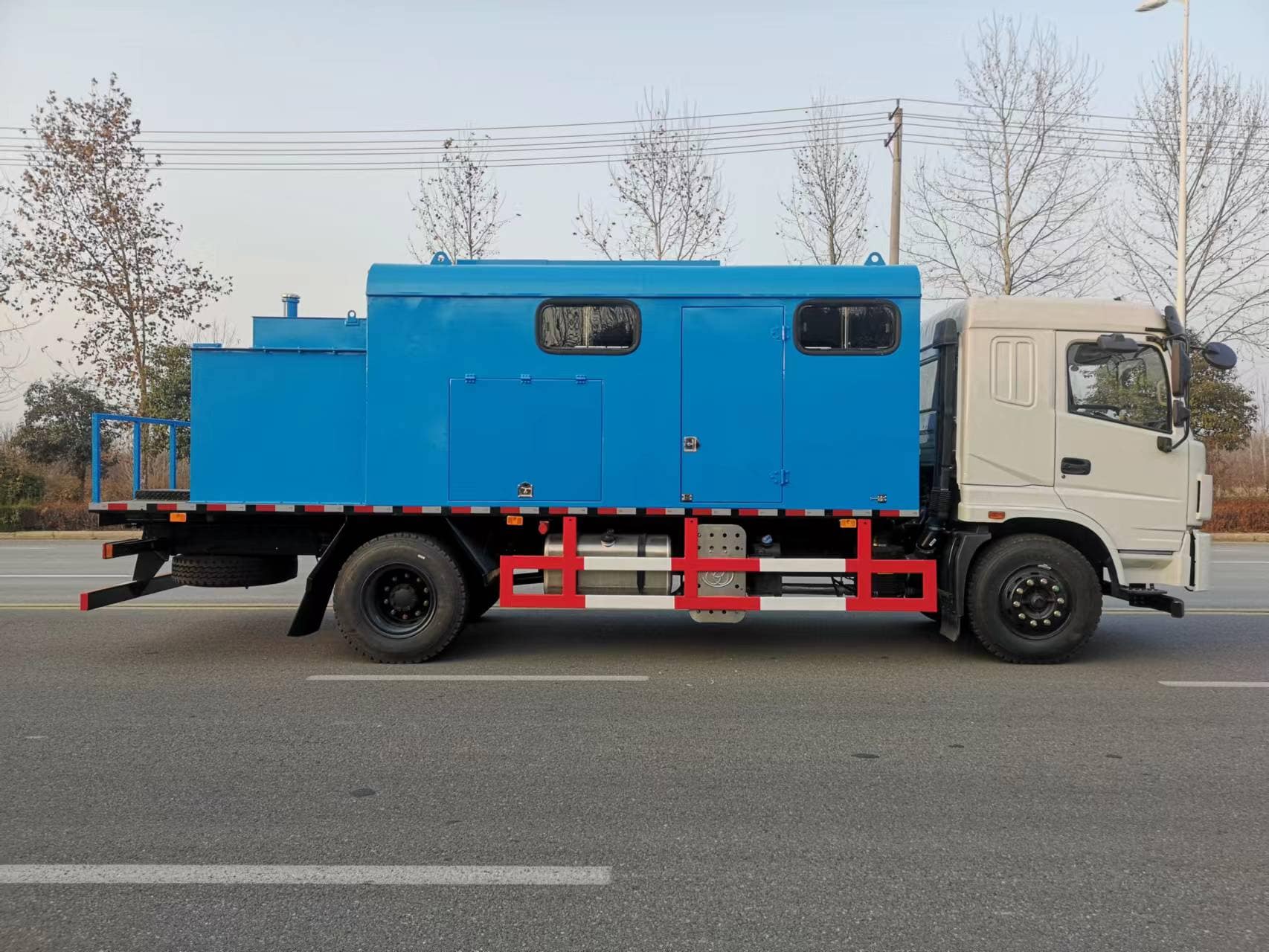
Buying becomes more sensible when heating is part of the customer’s repeated field work. Heavy-oil support, wax-control operations, regular wellsite heating, and remote-pad service can justify a dedicated unit because the crew learns the equipment, spare parts can be stocked properly, and the configuration can be built around local conditions.
Decision Comparison
| Question | Rental Bias | Buying Bias |
|---|---|---|
| How long is the heating need? | Days or a short temporary campaign. | Repeated jobs across a season or region. |
| How specific is the field condition? | Standard site with easy access. | Remote oilfield roads, special fuel, or harsh climate. |
| How important is crew familiarity? | Low; outside support is acceptable. | High; the same team must operate and maintain the unit. |
| How costly is downtime? | Manageable for a temporary task. | High enough to justify dedicated readiness. |
Do Not Compare Only Daily Rental Cost With Purchase Price
The real comparison includes mobilization, waiting time, fuel efficiency, operator availability, maintenance control, spare parts, transport, and how often the equipment will be used. A cheap rental can become expensive if it arrives late, lacks the right connections, or requires outside technicians for simple service. A purchased unit can also become expensive if the buyer overestimates usage or ignores training.
Related Heating Equipment
Some buyers should also look at a vehicle mounted special boiler when the job needs a more customized mobile heating arrangement. Burner performance matters too, so Vance Petro’s oilfield burner page is relevant when customers are comparing heating stability, fuel use, and maintenance access.
Questions for the Buyer
- Is the heating demand occasional, seasonal, or part of normal service work?
- Will the unit operate near service support or far from a workshop?
- What fuel will be available at the site?
- Can local operators be trained to run and inspect the unit safely?
- Which spare parts must be shipped with the first boiler truck?
Total Cost Factors That Are Easy to Miss
A mobile boiler decision should include the cost of waiting. In oilfield work, heating delays can hold up wax removal, tank preparation, heavy-oil handling, or temporary production support. Rental may look cheaper on a spreadsheet, but if the unit must travel a long distance, use unfamiliar connections, or wait for outside service, the real field cost can rise quickly. Ownership has its own hidden costs, including operator training, scheduled maintenance, insurance, storage, and spare parts.
The most balanced decision comes from estimating how many heating days the customer expects in a year, how urgent those jobs are, and whether the same configuration can serve several types of field work. If the buyer can use one boiler truck across heavy-oil support, winter operation, and wax-control service, ownership may create more value than the purchase price alone suggests.
For field context, Vance Petro’s article on the role of boiler trucks in heavy oil recovery and wax control explains where mobile heating affects production support. Rental can solve a short problem. Buying makes sense when heating is a repeated part of the oilfield service model and the operator wants control over configuration, training, and readiness.