
A cementing unit specification should not begin with a single pressure number. For oil and gas wells, the specification needs to describe the job: slurry volume, mixing control, pumping pressure, chassis limits, field access, crew skill, and how often the unit will move between locations. A cementing truck that looks strong in a table can still be awkward if the layout does not fit the service routine.
This article is a buyer note for mobile cementing equipment, especially for contractors comparing oilfield cementing units for completion, remedial work, plug jobs, or smaller regional service fleets.
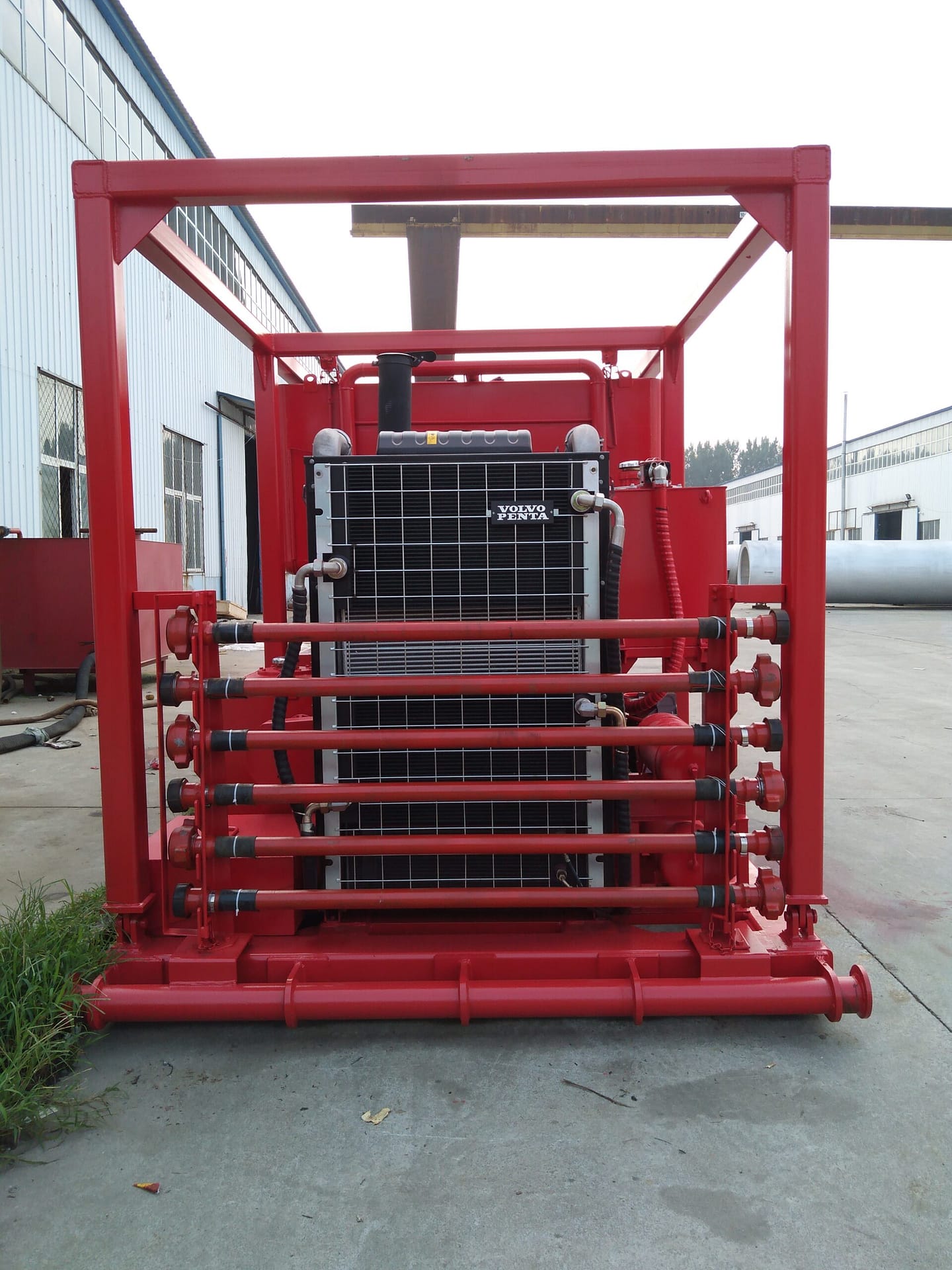
Specification Items That Need Field Context
- Pumping pressure and rate: Match expected wells, not only the most extreme case in the sales conversation.
- Mixing and measurement: Remedial cementing and squeeze work need stable control, especially when volumes are smaller.
- Chassis and road access: Export buyers should think about road width, workshop support, axle load, and operator familiarity.
- Cleaning and turnaround: A unit that is slow to clean becomes expensive when jobs are close together.
- Spare parts: Ask how the triplex plunger pump and cementing system will be supported locally.
Completion Cementing vs. Remedial Cementing
| Use Case | Specification Priority | Buying Risk |
|---|---|---|
| Primary completion cementing | Planned volume, stable mixing, job schedule | Underestimating required working time. |
| Remedial cementing | Control, flexibility, smaller-volume accuracy | Buying a unit that is powerful but not precise enough. |
| Regional service fleet | Maintainable chassis, standard parts, operator training | Choosing a configuration hard to support in the destination market. |
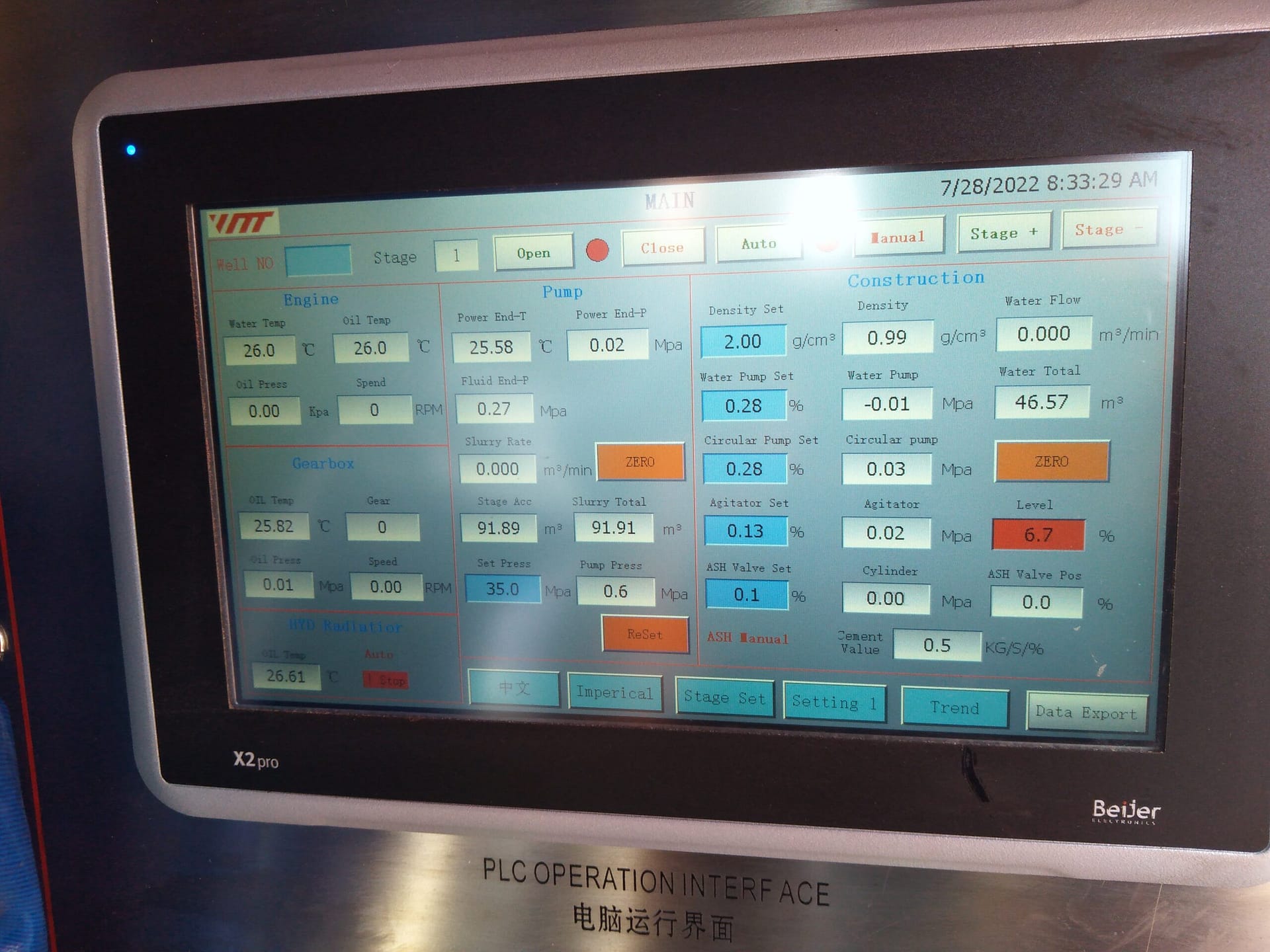
Where Testing Fits After Cementing
After a repair job, the operator may need production or pressure behavior checked before the well returns to routine service. In that situation, a test well truck can be part of the wider service plan. Equipment selection becomes easier when the cementing unit is not treated as a separate island.
How to Discuss a Quotation
Give Henan Vance Petroleum Machinery Co., Ltd. the expected well depth range, cementing job type, working pressure, slurry volume, road condition, and preferred chassis support. That information makes the specification more realistic than a request for a generic cementing truck.
For broader context, see Vance Petro’s article on cementing trucks and wellbore integrity. The best specification is the one that turns actual field requirements into a truck the crew can operate repeatedly.