
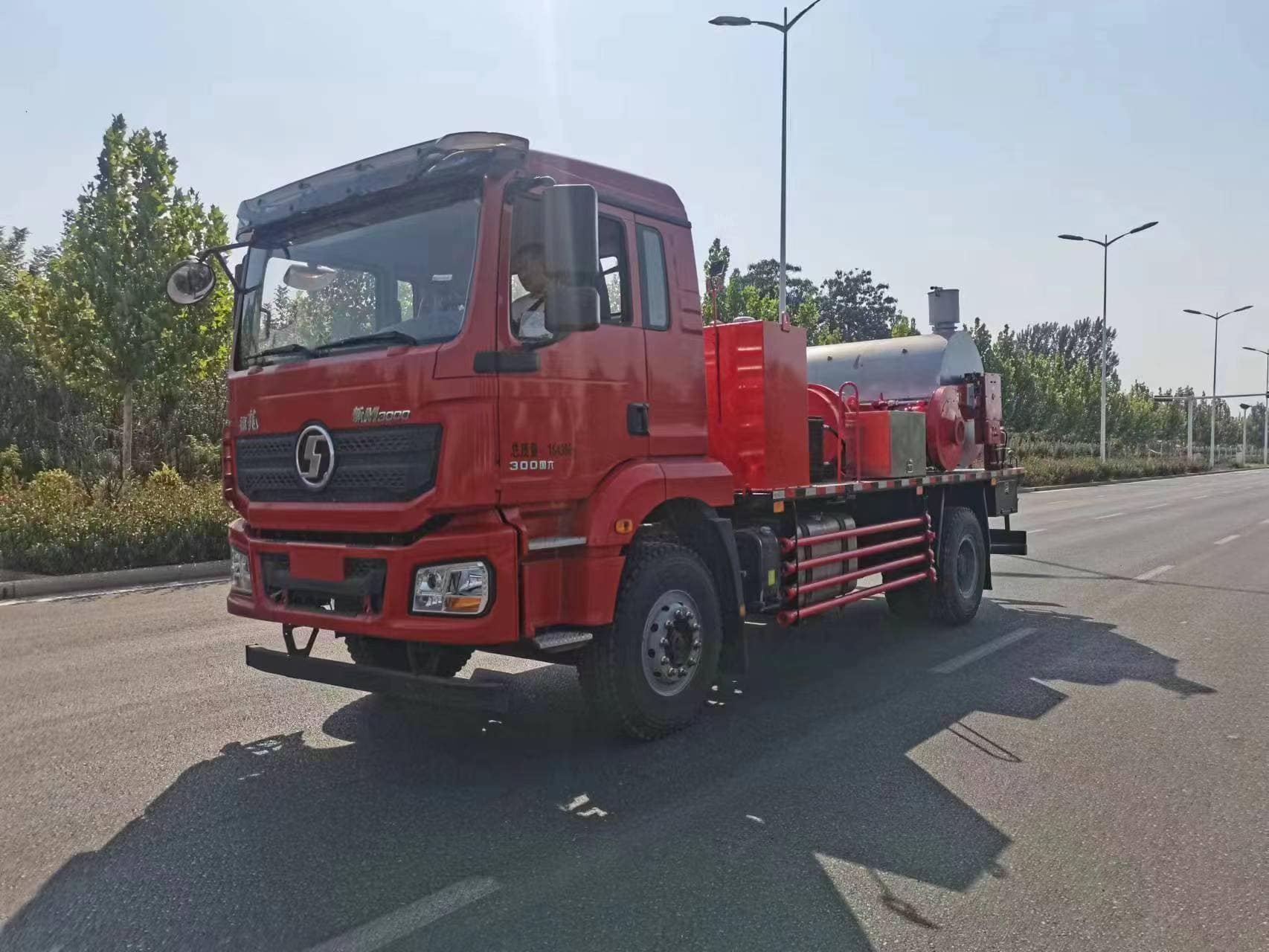
A practical hot oil flushing procedure starts before the truck is connected to the well. The crew first has to understand why production is slowing: paraffin buildup, heavier crude, poor circulation, colder tubing, or a mix of several field conditions. For those jobs, a hot oil flushing unit is not just a heating truck. It is a well flushing truck configuration built around heat, circulation, and field control before wax buildup turns into a larger repair job.
This article looks at hot oil flushing from the service workflow side. The goal is to help buyers compare a well flushing truck, wax removal truck, hot oil truck, and related oilfield service equipment without treating every waxy crude problem as the same job.
When a Hot Oil Flushing Procedure Becomes a Truck Job
Some wax control work can be handled by chemical treatment or routine operating changes. A truck-mounted hot oil flushing unit becomes more attractive when the well needs an active field service: heat has to be delivered to the well, deposits need to be softened, and circulation or flushing must be controlled by an experienced crew. The procedure matters because poor sequencing can leave wax softened but not removed.
The unit is most useful where wax forms repeatedly in tubing, flowlines, or near-wellhead equipment. In cold regions, mature wells, and fields producing waxy crude, waiting too long can turn a manageable cleaning job into lost production and heavier intervention cost.
Field Symptoms and Equipment Response
| Field Symptom | Likely Issue | Equipment Focus |
|---|---|---|
| Flow drops gradually after cold weather | Wax thickening or paraffin deposition | Hot oil flushing unit with stable heating and circulation |
| Pump load rises while production falls | Tubing restriction or heavier fluid column | Well flushing truck matched to pressure and volume needs |
| Wax and sand appear together | Deposits trap solids and narrow the flow path | Combine wax removal planning with oilfield flushing truck support |
| Repeated short-term cleaning results | Heat, chemistry, and circulation are not coordinated | Review workflow, fluid temperature, operating time, and service frequency |
A Practical Hot Oil Flushing Procedure
First, confirm the well condition. The crew should know whether the main issue is paraffin, high-viscosity crude, sand, scale, or a mix of several problems. Hot oil helps wax and viscosity problems, but it should not be asked to solve every downhole restriction by itself.
Second, match heat to circulation. Heating without enough movement can leave deposits softened but not cleared. Circulation without enough heat can waste time on a waxy well. The truck needs a balanced layout so temperature, pump output, tank arrangement, and operator control work together.
Third, decide what happens after cleaning. If the well returns to stable production, routine service intervals may be enough. If production remains unstable, the operator may need testing, sand cleanout, or temporary production support from an oil production truck.
Hot Oil Truck Selection Notes
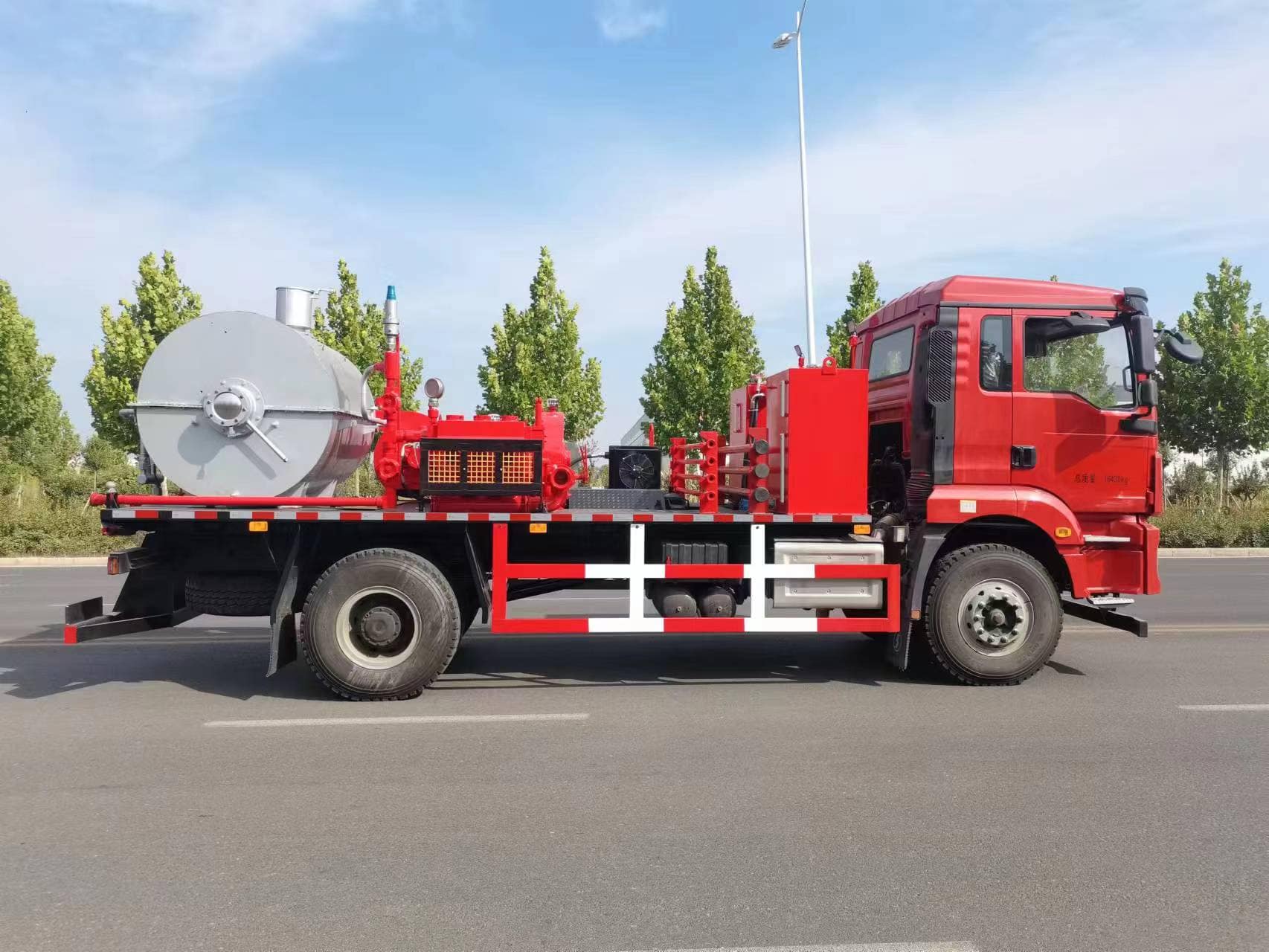
- Heating capacity: Ask for a configuration based on crude properties and service time, not only a maximum temperature number.
- Pump and circulation demand: The unit should support the cleaning method actually used by the field crew.
- Road and pad access: A truck that cannot reach scattered wells on time will not solve production loss quickly.
- Operator layout: Controls, valves, and service points should be easy to reach during cold, muddy, or night operations.
- Service package: Paraffin removal may need coordination with flushing, testing, or heating equipment such as a boiler truck.
Questions Buyers Should Ask Vance Petro
Before ordering, describe the well type, crude viscosity, wax tendency, ambient temperature, road condition, service frequency, and expected cleaning method. Henan Vance Petroleum Machinery Co., Ltd. can then discuss the truck layout around the field problem rather than a generic hot oil truck model.
For additional background, Vance Petro’s article on how hot oil flushing trucks improve paraffin removal efficiency explains why heat and circulation need to be planned together. The simple rule is this: a good hot oil flushing unit should not only heat fluid; it should help the crew finish the cleaning job with fewer returns to the same well.