
Remedial cementing is usually discussed after something has already gone wrong: a channel behind casing, a leak path, poor zonal isolation, or a well that cannot be returned to service until the cement problem is corrected. At that point, the cementing truck is not just another unit in the yard. It becomes the piece of equipment that decides whether the repair can be carried out with control.
This selection note does not treat cementing as a textbook operation. It looks at the mobile unit from the buyer’s side: how the truck will be used, what the crew will ask from it, and which details tend to matter once the job moves from the meeting room to the well site.
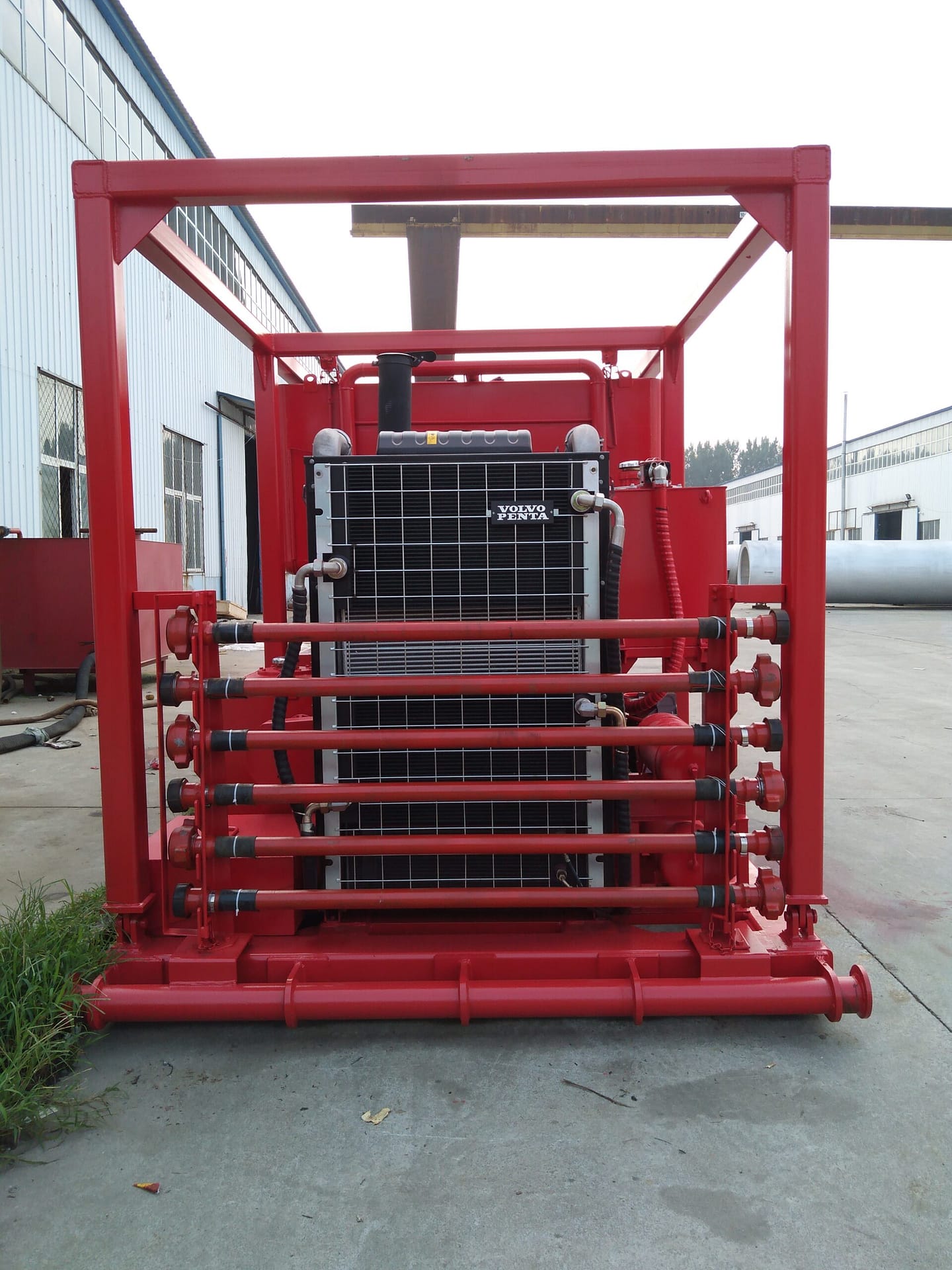
Start with the Kind of Cement Job
A completion cementing job and a remedial cementing job do not place the same pressure on the service plan. Completion work is usually scheduled as part of a wider drilling or completion program. Remedial work often arrives with more uncertainty. The well condition may be incomplete, the location may already be under pressure to return to production, and the cement volume may need adjustment after testing.
That is why the first specification conversation should be practical. What slurry volume is normally mixed? How many stages are expected? What pressure range is realistic for the target wells? Does the job require a compact truck for tight pads, or a larger unit for repeated service work? Henan Vance Petroleum Machinery Co., Ltd. can only recommend the right configuration if those field details are clear.
A Field Sequence Worth Planning Around
- Confirm the failure mode. The cementing unit should be selected after the operator understands whether the issue is isolation, leakage, squeeze work, or a planned plug.
- Check pump demand. Pressure and flow stability matter more than a headline number. The related triplex plunger pump specification should fit the actual service window.
- Review mixing and measurement. In remedial work, small inconsistencies can become expensive. The system layout should make it easy for operators to monitor the job.
- Plan post-job evaluation. A test well truck may be useful when production behavior must be checked after the repair.
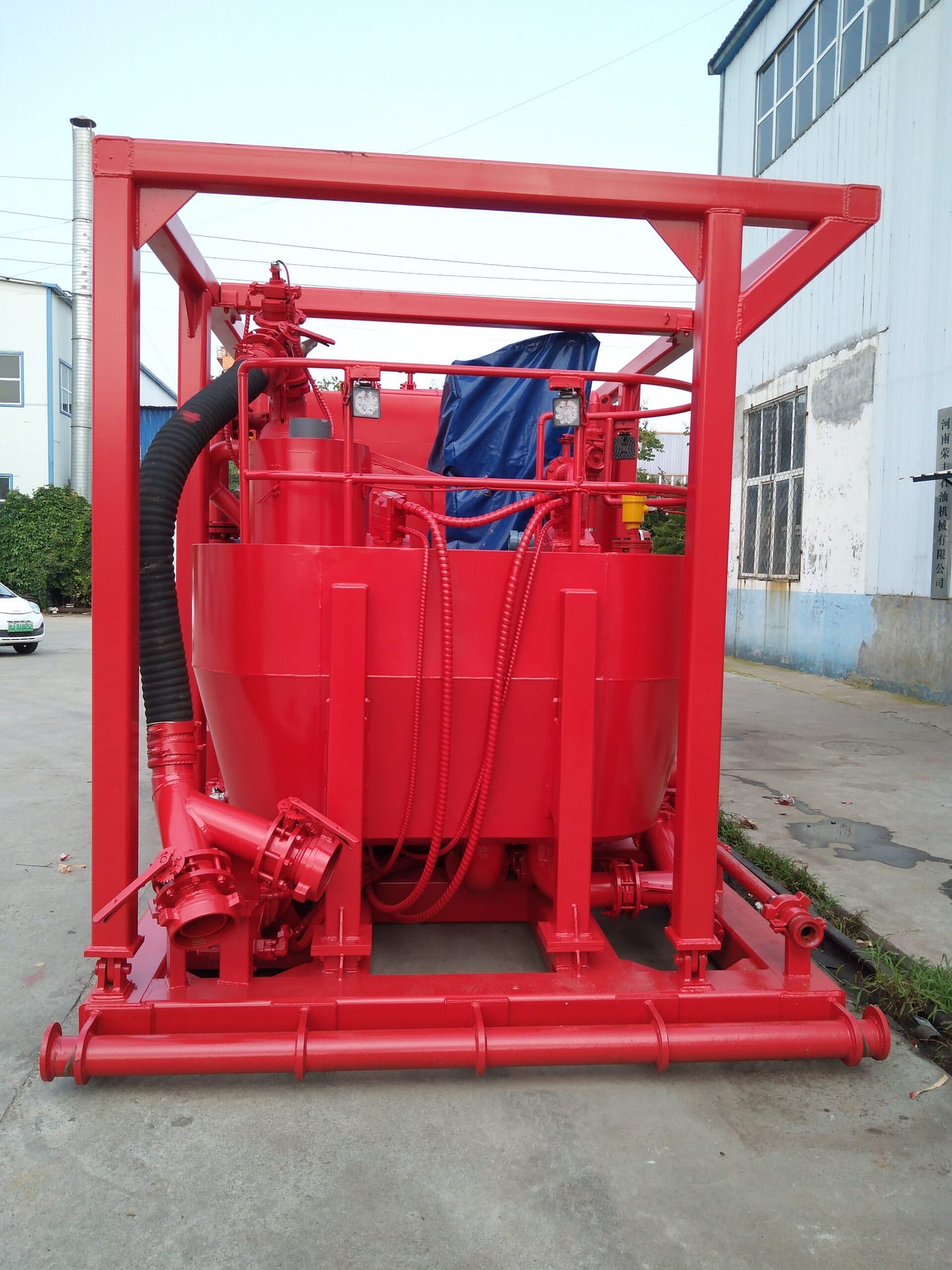
What Makes a Mobile Cementing Unit Easier to Live With
Operators often remember the truck by small things: whether valves are reachable, whether the control area is clear, whether maintenance can be done without removing half the layout, and whether spare parts are reasonable for the region. These details rarely dominate the first quotation, but they shape the second and third year of ownership.
For contractors working in export markets, chassis choice deserves particular care. A truck that looks strong on paper can become a problem if local mechanics cannot support it, if road access is poor, or if the weight distribution is wrong for the sites being served. Cementing work rewards equipment that is stable, maintainable, and familiar to the crew.
Questions Before You Sign Off the Order
- What pressure range is required for the most common jobs, not the most extreme one?
- How quickly must the unit be cleaned and prepared between cement jobs?
- Will the unit work alone, or as part of a larger pumping and testing package?
- Which consumables and wear parts should be stocked locally?
- What training should be completed before the first commercial job?
For a broader look at the role of cementing equipment, Vance Petro’s article on cementing trucks and wellbore integrity gives useful background. For remedial work specifically, the better buying decision is the one that matches the real service cases, not the one with the longest specification sheet.
A cementing truck for remedial work should give the crew a controlled, repeatable process under imperfect conditions. That is a modest sentence, but in the field it is exactly what keeps a repair job from becoming a second problem.