
Many oilfield buyers do not need one perfect truck. They need a practical service fleet. A single well may require testing, flushing, wax control, heating, pumping, sand cleanout, or temporary production support at different stages of its life. That is why well servicing truck selection should start with field workflow rather than a single product name.
This guide is structured as a fleet planning note for operators and service contractors. It explains how to combine equipment such as well flushing and wax removal trucks, oilfield flushing trucks, test well trucks, and production support units into a more reliable maintenance system.
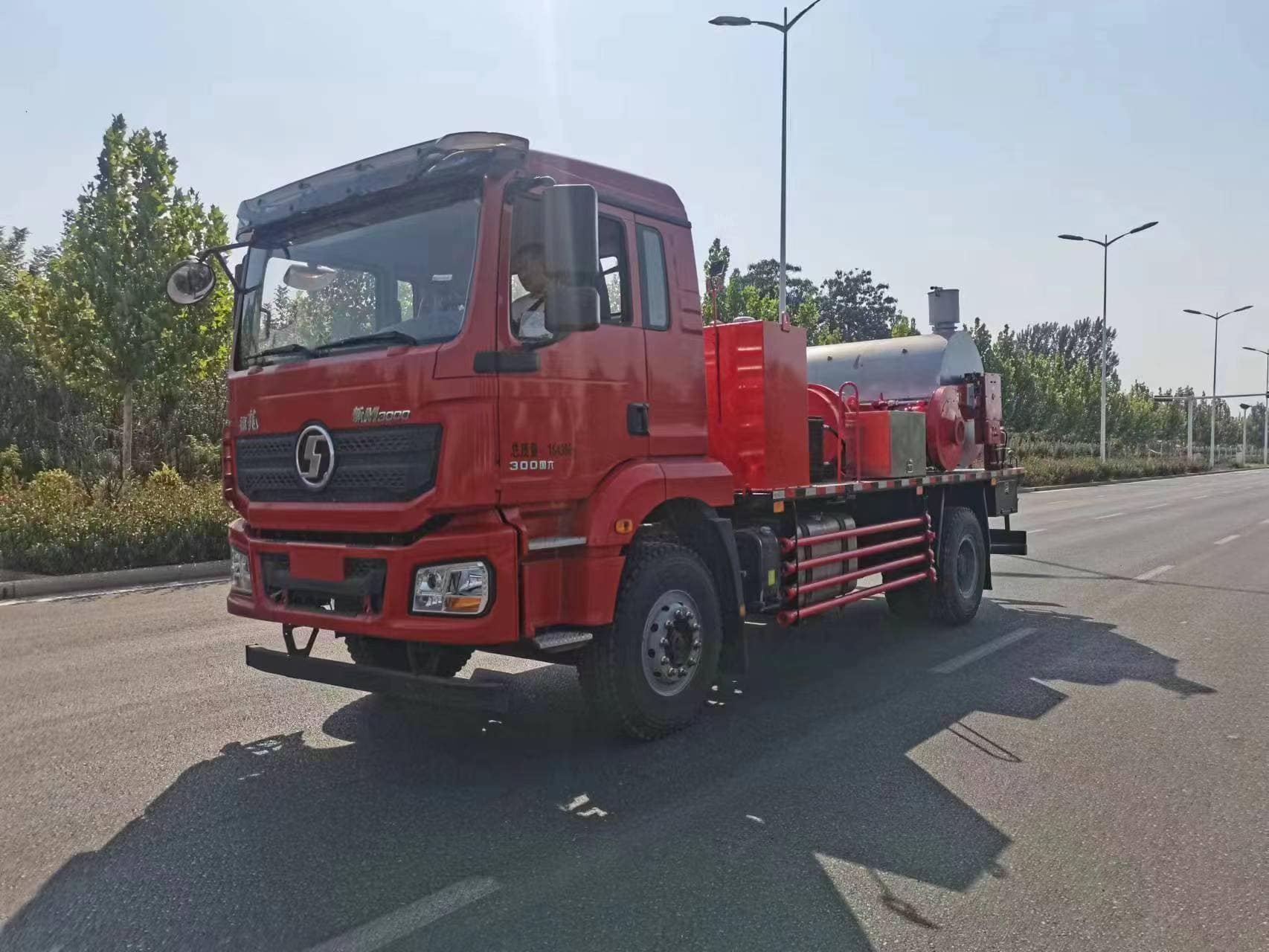
Fleet Planning Matrix
| Maintenance Need | Primary Equipment | Supporting Equipment |
|---|---|---|
| Wax buildup and cold crude | Well flushing and wax removal truck | Boiler truck or vehicle mounted boiler when heating demand is high |
| Sand restriction and tubing cleanout | Oilfield flushing truck | Pump package and cleaning procedure matched to the well condition |
| Production uncertainty after service | Test well truck | Oil production truck for temporary support or field evaluation |
| Scattered mature wells | Multi-purpose mobile service units | Spare parts, training, and chassis support for remote use |
A Three-Step Procurement Plan
- List the top five recurring field problems. Do not begin with equipment names. Begin with downtime reasons: wax, sand, water handling, unstable flow, cold starts, or lack of testing data.
- Group problems by service workflow. If wax and heating always appear together, plan those units as a package. If sand cleanout is frequent, prioritize flushing performance and pump reliability.
- Build the fleet in phases. Start with the trucks that solve the most common problems, then add specialized units as service volume grows.
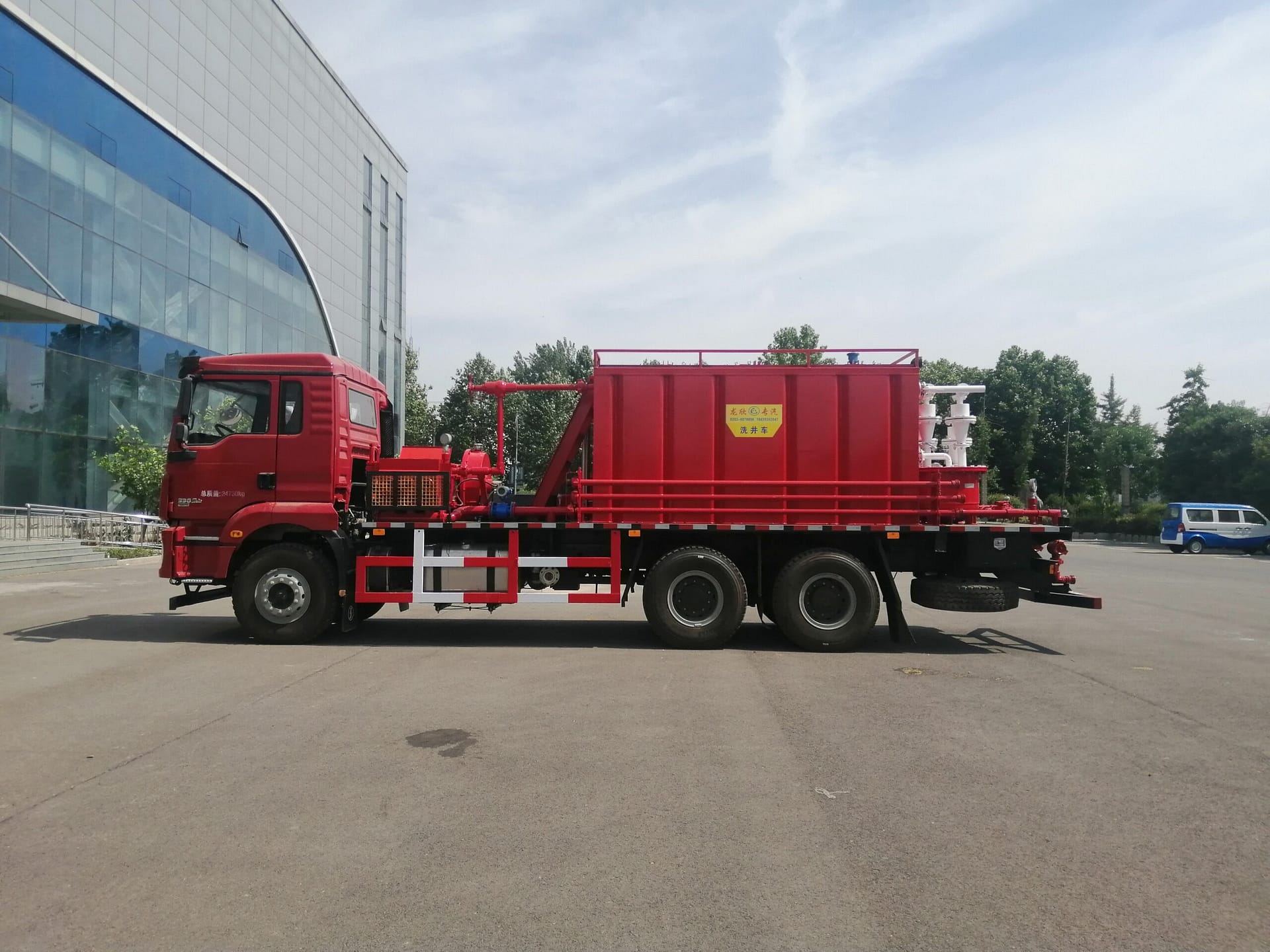
Example Fleet Combinations
For mature waxy fields: combine wax removal, boiler support, and temporary production capability. This helps crews heat, circulate, clean, and evaluate wells without waiting for multiple contractors.
For sandy production wells: prioritize flushing trucks and pump reliability. The fleet should be able to respond quickly when sand reduces flow or increases equipment strain.
For new service companies: start with the equipment that has the widest demand in the target region. Then add specialized units once the customer base and service history become clearer.
Mistakes That Make a Fleet Hard to Operate
- Buying trucks one by one without considering how crews, spare parts, and tools will be shared.
- Choosing equipment only by headline capacity instead of field service frequency.
- Using the same configuration for different countries, climates, and road conditions.
- Ignoring operator training and after-sales support.
The article Choosing the Right Well Servicing Truck for Your Oilfield Operations gives more background for buyers comparing individual truck types. Henan Vance Petroleum Machinery Co., Ltd. can also help customers discuss equipment combinations for their local maintenance needs.
A good service fleet should look boring in the best possible way: predictable to dispatch, easy to maintain, and useful across many common field problems. That is the real value of careful well servicing truck selection.