
Sand accumulation is one of the most common reasons an oil or gas well loses efficiency after production begins. It can restrict flow, damage downhole equipment, increase pump load, and force repeated shutdowns. An oilfield flushing truck is designed to help field crews clean tubing, support sand cleanout, and restore basic flow conditions without relying on a large fixed service spread.
Instead of presenting this as a general product introduction, the guide below maps field symptoms to equipment choices. This makes it easier for service companies and oilfield buyers to decide whether a sand flushing unit, hot-oil flushing truck, pump package, or combined service approach is the better answer.
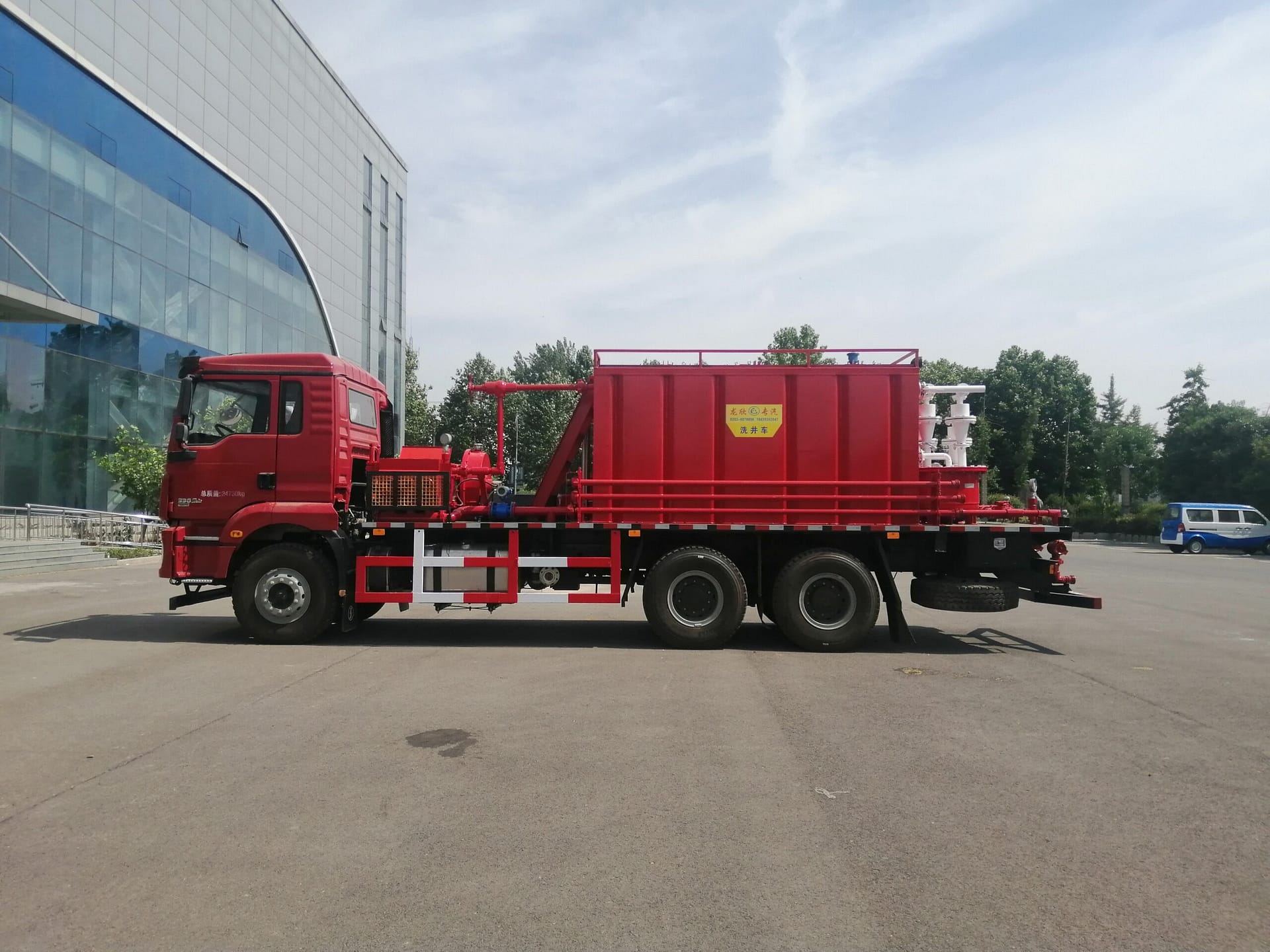
Problem-Solution Map
| Field Symptom | Possible Cause | Equipment Direction |
|---|---|---|
| Flow rate drops after sand production | Sand bridge or tubing restriction | Oilfield flushing truck with suitable pressure and fluid volume |
| Paraffin and sand appear together | Wax deposition traps solids | Well flushing and wax removal truck plus cleaning procedure |
| Repeated pump strain | Solids and fluid instability | Check pump selection, including triplex plunger pump requirements |
| Cold-weather blockage | Viscosity and wax increase | Hot-oil flushing workflow and heating support |
When Sand Flushing Becomes a Better Choice
A sand flushing truck is most useful when the well condition is known well enough for a targeted service job. If the main issue is downhole mechanical damage, a flushing unit alone will not solve the root cause. But when the well suffers from solids deposition, tubing restriction, or repeated flow instability caused by sand, a mobile flushing truck can reduce downtime and make maintenance more predictable.
Compared with a broad workover operation, a flushing service is usually faster to mobilize. That matters in scattered fields where each shut-in well affects total production. The truck can be dispatched with a smaller crew, positioned near the wellhead, and used for controlled circulation or cleaning according to field requirements.
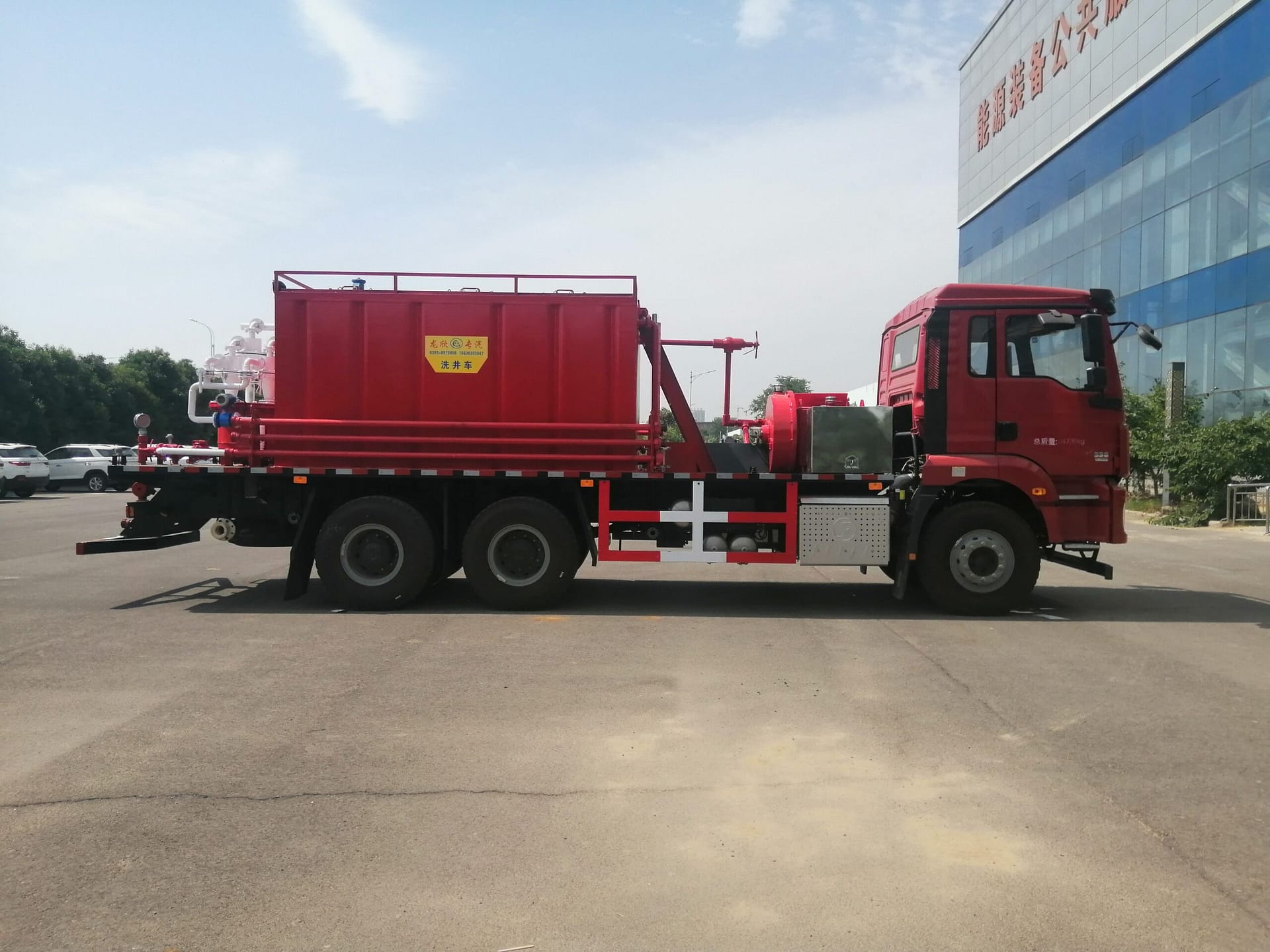
Sand Cleanout Unit vs. Hot-Oil Flushing Truck
Buyers often compare a sand flushing truck with a hot-oil flushing unit. The two can overlap, but their focus is different. A sand cleanout job is mainly about removing solids and restoring a flow path. A hot-oil job is mainly about temperature, paraffin, viscosity, and deposit softening. In waxy wells, both problems may exist at once.
- Choose stronger flushing capacity when solids are the primary restriction.
- Choose heating support when paraffin, cold crude, or high-viscosity oil dominates the problem.
- Consider a combined service plan when sand and wax reinforce each other.
- Use this related article on hot oil flushing trucks and paraffin removal if wax is a major field condition.
Questions to Ask the Manufacturer
Before ordering, ask for the recommended pressure range, tank and pump arrangement, chassis suitability, control layout, spare parts list, and field training plan. Henan Vance Petroleum Machinery Co., Ltd. can configure flushing equipment according to the customer’s well conditions and expected service workflow.
The best oilfield flushing truck is not simply the largest unit. It is the truck that can arrive quickly, operate safely, clean effectively, and return to service with low maintenance burden. For sand cleanout projects, that practical balance is what creates long-term value.