
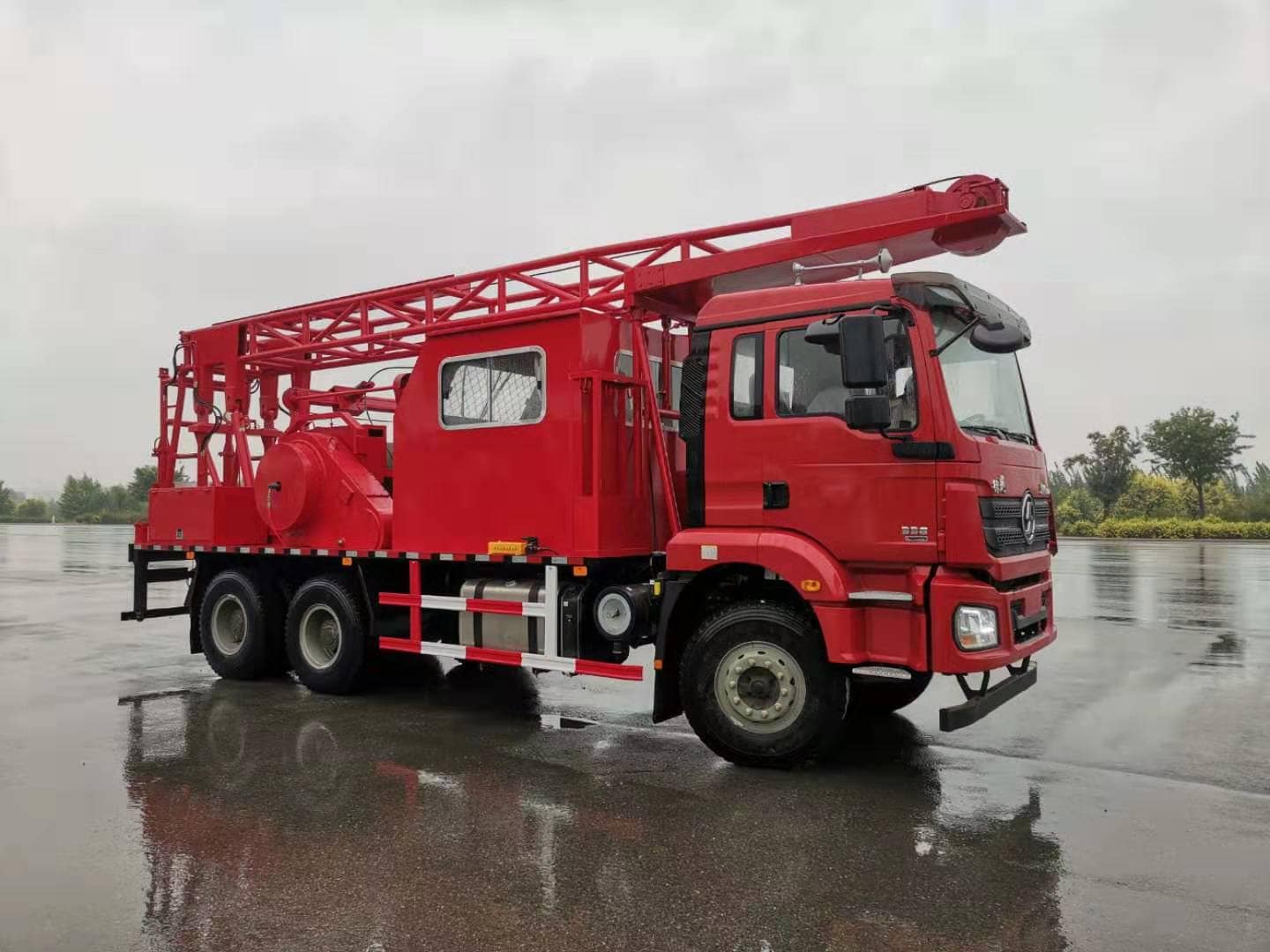
For mature oilfields, the question is rarely whether production support is needed. The real question is how quickly a field team can move, test, separate, heat, transfer, and stabilize work without waiting for a fixed facility to be rebuilt. An oil production truck gives operators a mobile way to support scattered wells, temporary pads, marginal wells, and production-restoration jobs where speed and flexibility matter.
This guide is written for procurement teams, field service contractors, and production managers comparing mobile production support equipment for aging assets. It explains when a production truck makes sense, what to check before purchase, and how Henan Vance Petroleum Machinery Co., Ltd. can support custom configuration for different oilfield conditions.
Quick Decision Table for Buyers
| Field Requirement | Recommended Focus | Why It Matters |
|---|---|---|
| Multiple low-output wells | Mobility, compact layout, fast setup | The unit may move frequently between wells, so deployment time affects daily efficiency. |
| Unstable flow after maintenance | Testing and fluid-handling compatibility | Operators need practical data before deciding whether a well needs flushing, workover, or continued production. |
| Remote well pads | Chassis reliability, spare parts, simple operation | Complicated maintenance becomes costly when the nearest workshop is far from the site. |
| Cold or wax-prone crude | Heating support and related service equipment | Production stability may depend on wax-control work from a well flushing and wax removal truck. |
Where the Oil Production Truck Fits in the Fleet
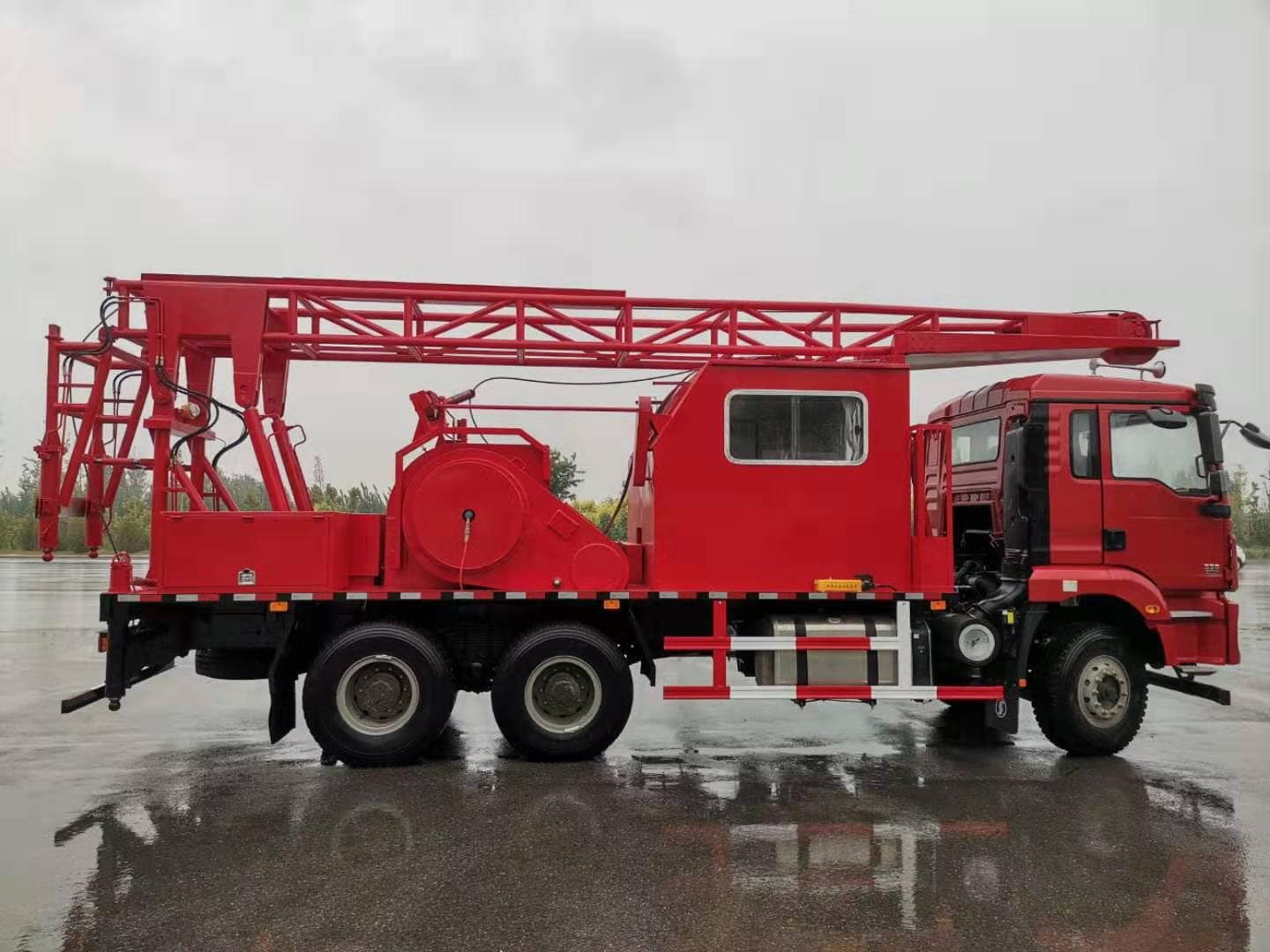
A mobile production support unit is not a replacement for every permanent facility. It is most valuable when operators need a practical bridge between field uncertainty and long-term investment. In many projects, a production truck works alongside a test well truck, flushing equipment, pumps, and temporary storage to create a lean service package.
For mature fields, this flexibility is important because reservoir behavior often changes after years of production. A well may produce intermittently, water cut may rise, paraffin may restrict tubing, or pressure may fluctuate after stimulation. Instead of sending a large fixed crew to every small problem, the service team can use a mobile production truck to evaluate the well and support short-term operation.
Buyer Checklist Before Ordering
- Define the main job. Is the truck mainly for production recovery, temporary production, well testing support, transfer, or multi-purpose service?
- Match the unit to crude properties. Viscosity, sand content, water cut, wax tendency, and temperature all influence the equipment layout.
- Confirm road and site conditions. Chassis selection should reflect road quality, turning space, climate, and maintenance access.
- Plan related equipment. Many buyers also compare flushing trucks and hot-oil units; this article on choosing the right well servicing truck is useful when building a balanced fleet.
- Ask about training and spares. A good production unit should be easy for operators to understand and practical to maintain.
Practical Selection Advice
Procurement teams often focus first on capacity, but oilfield service equipment should be selected around the actual workflow. A unit with impressive capacity may still be inefficient if it is difficult to position, slow to start, or unsuitable for the crude conditions. A more balanced oil production truck can deliver better value when it fits the operator’s daily routine.
Vance Petro can discuss chassis options, skid layout, field operating conditions, and supporting equipment so the final unit is not just a truck with equipment installed, but a practical mobile production tool for the field team.
For buyers working with mature wells, the best result comes from matching the production truck with relevant service tools, especially testing, flushing, and wax-control equipment. That combination helps operators make faster decisions and keep more wells productive with fewer fixed-site limitations.