
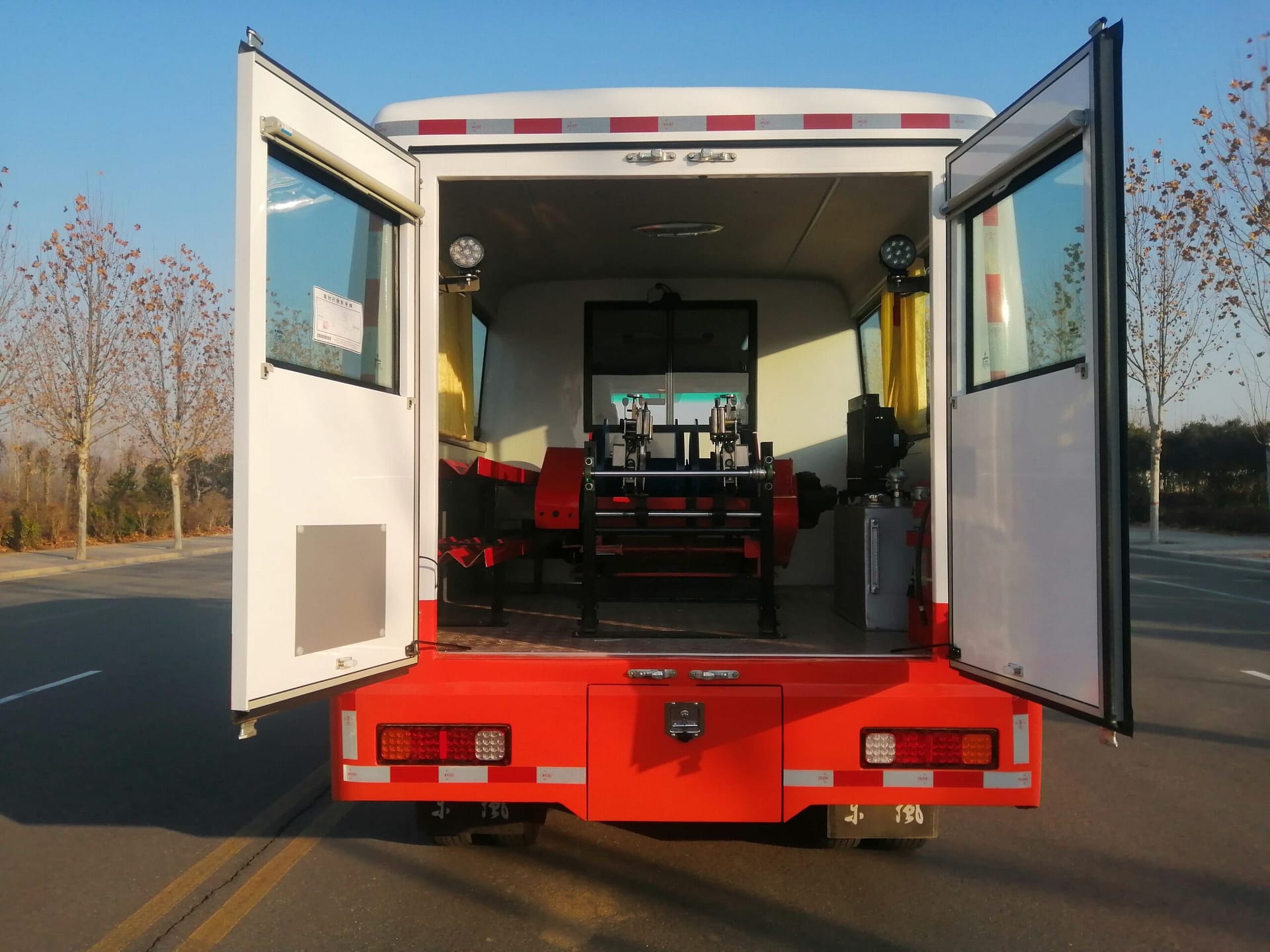
A test well truck is a mobile unit used to evaluate oil and gas well performance at the field site. Well testing provides information about production rate, pressure behavior, fluid characteristics, and operational stability. Without reliable testing, operators may make production decisions based on incomplete data. A truck-mounted testing unit helps crews move between wells, collect practical production information, and support field development or routine production management.
Henan Vance Petroleum Machinery Co., Ltd. is an oilfield equipment manufacturer based in Puyang, Henan, close to China’s Zhongyuan Oilfield. The company focuses on practical machinery for well servicing, heating, pressure pumping, nitrogen generation, production support, sewage treatment, and other oil and gas field applications. For international buyers, Vance Petro can support equipment configuration, export documentation, spare parts planning, and technical communication before production.

Why Well Testing Matters
Every producing well behaves differently. Reservoir pressure, completion design, artificial lift method, water cut, gas-oil ratio, sand production, and surface equipment all affect production performance. Testing helps operators understand whether the well is producing as expected, whether intervention is needed, and how field facilities should be managed. A mobile testing unit gives the field team flexibility when several wells need evaluation across a large area.
Well testing is not only for new wells. Mature wells may require periodic testing to identify production decline, changes in water cut, or equipment performance issues. When the operator can compare test data over time, it becomes easier to plan workovers, adjust production strategy, or evaluate artificial lift performance.
Main Functions of a Test Well Truck
Production Measurement
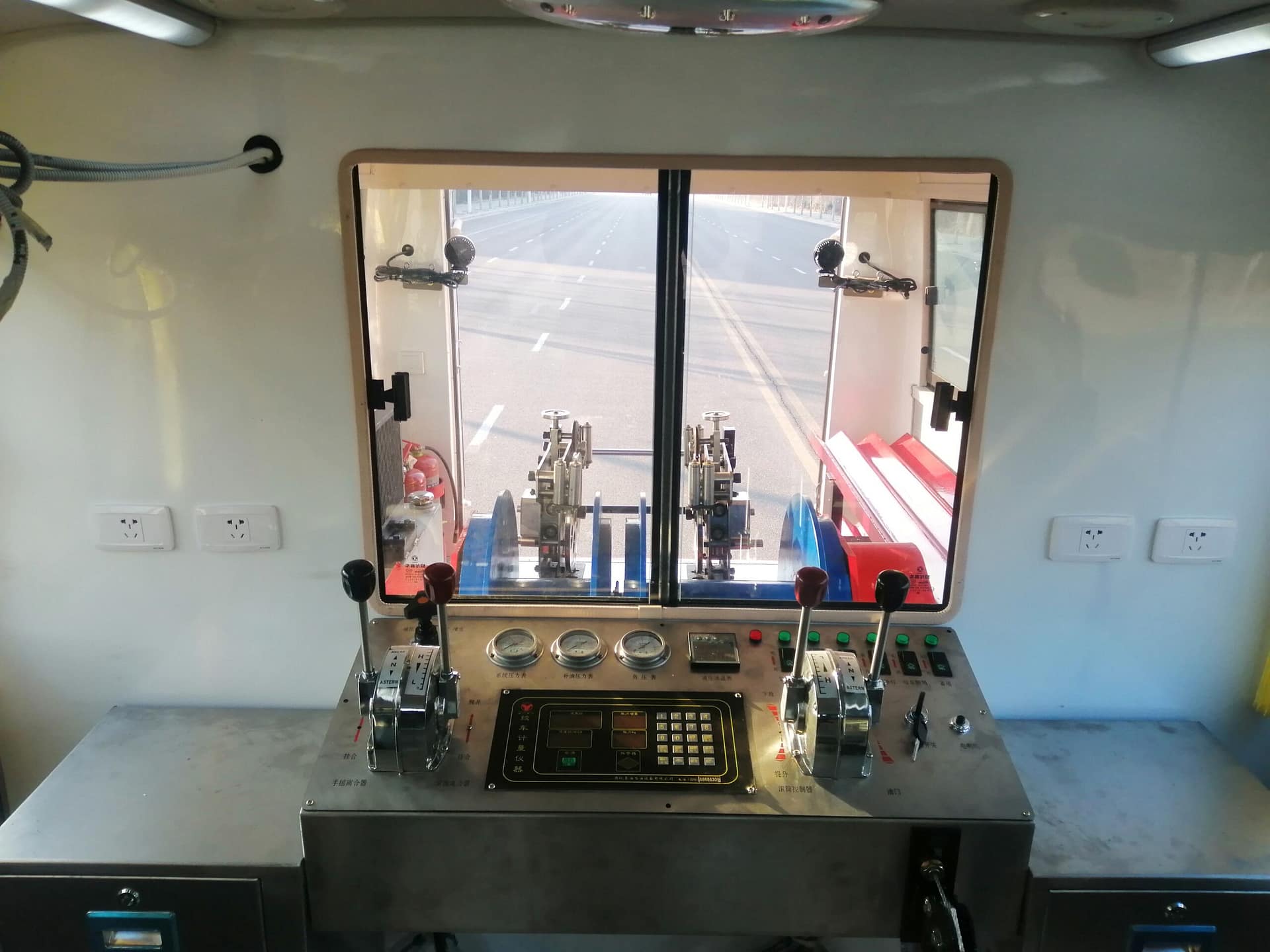
The unit may support measurement of liquid rate, gas flow, pressure, temperature, and fluid behavior depending on configuration. The goal is to collect data that helps the operator understand well performance under field conditions. Accurate measurement requires suitable instruments, stable piping, correct operating procedures, and trained personnel.
Temporary Field Testing
A test well truck is useful when permanent testing facilities are unavailable or when the operator needs temporary evaluation at different wells. Mobility reduces the need for fixed equipment at every location and allows the crew to focus resources where data is needed.
Support for Production Decisions
Testing results can support decisions about choke settings, artificial lift adjustment, stimulation planning, well maintenance, and production allocation. In some projects, testing also helps confirm whether recent service work improved the well’s performance.
Equipment Selection Considerations
Buyers should define the expected well conditions before ordering. Important details include flow range, pressure range, fluid type, gas content, sand risk, measurement requirements, power supply, control system, chassis requirement, climate, and site access. The truck should match the field’s real operating conditions rather than a generic design.
The main product reference is the Test Well Truck page. Buyers planning a broader well service package may also compare the Oil Production Truck and Well Flushing & Wax Removal Truck pages, because testing, production support, and well service often interact in mature fields.
Operational and Maintenance Factors
Because testing units handle real production fluids, safety and maintenance are important. Piping, valves, instruments, seals, and pressure control components should be inspected regularly. Operators should be trained in connection procedures, pressure release, sampling, emergency shutdown, and data recording. Reliable testing depends on both equipment quality and disciplined field operation.
Related Reading for Well Service Planning
Well testing often leads to decisions about maintenance, cleanout, flushing, or production support. For this reason, buyers may also review Choosing the Right Well Servicing Truck for Your Oilfield Operations and How Hot Oil Flushing Trucks Improve Paraffin Removal Efficiency in Oil Wells.
Conclusion
A test well truck gives operators a practical way to evaluate well performance without relying only on fixed facilities. It supports production decisions, maintenance planning, and field optimization. Vance Petro can work with international buyers to configure mobile well testing equipment according to pressure, flow, fluid, measurement, and transport requirements.