
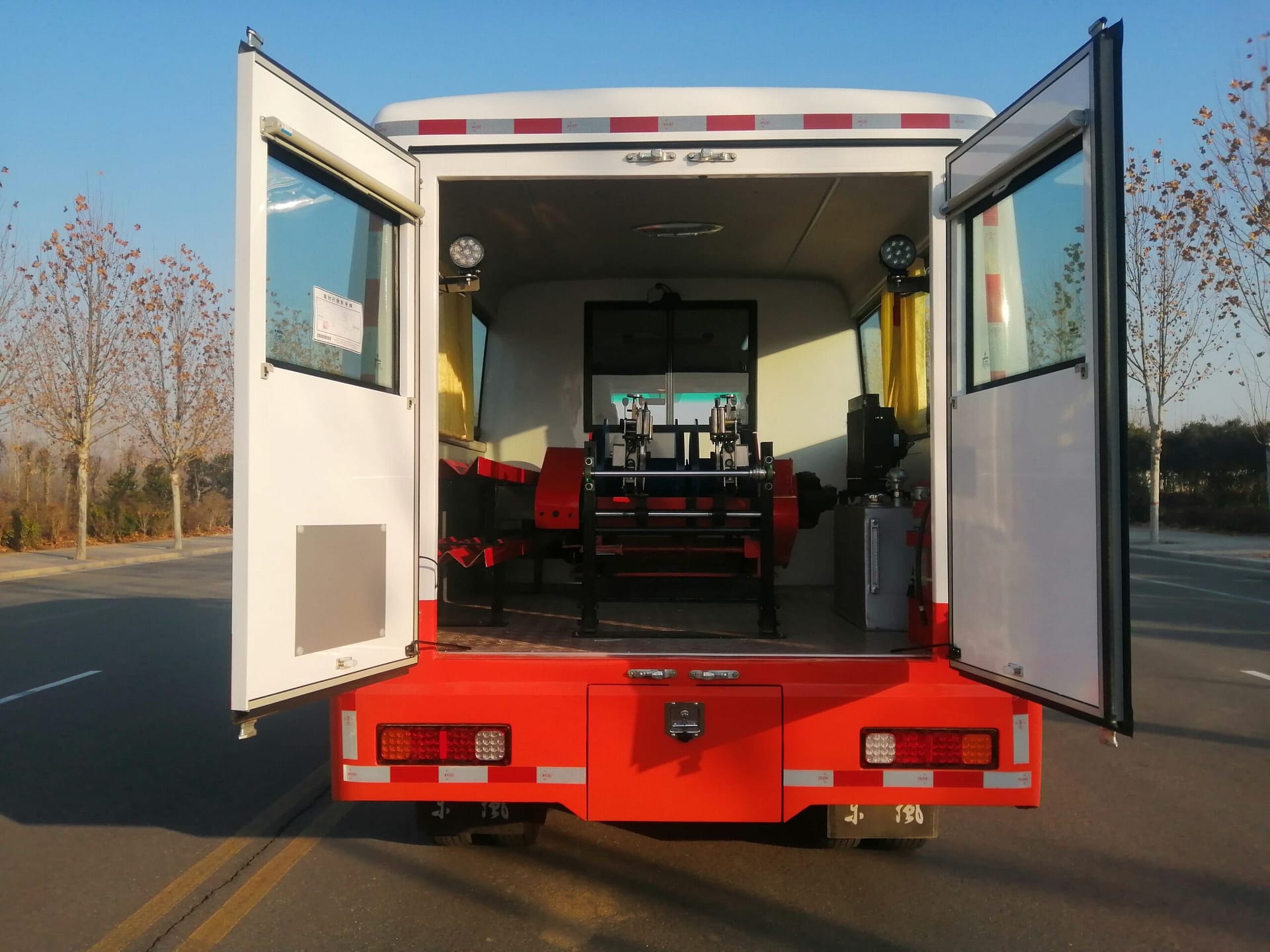
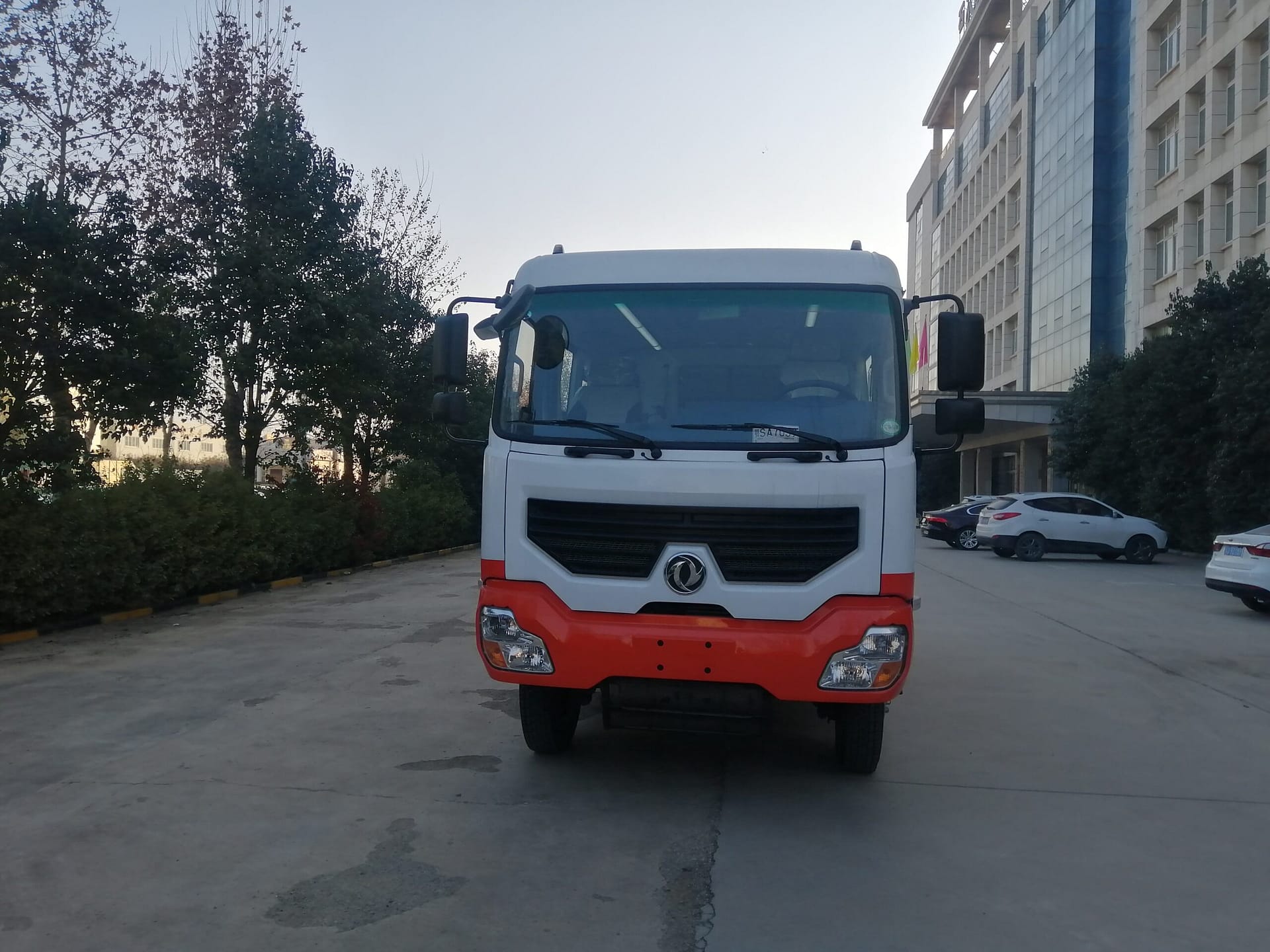
Well testing equipment layout is not just a drawing question. It decides how fast the crew can rig up, how safely fluids move through the temporary system, and how clearly the operator can read the early behavior of a new or worked-over well. A mobile test well truck should make that layout easier, not add another layer of confusion to the pad.
For buyers, the layout conversation is especially important when the field is remote, the well result is uncertain, or the operator plans to move the package between wells. The correct arrangement can reduce wasted time, improve data quality, and help decide whether the next step should be production, stimulation, cleanout, or abandonment.
A Simple Field Sequence
A practical test setup usually follows a predictable path: receive flow from the wellhead, control pressure, separate phases, measure flow, collect samples, direct fluids to storage or disposal, and record stable data. The exact equipment changes by job, but the logic should remain clear enough for the crew to explain under pressure.
If the truck layout makes operators cross hoses, walk around hot surfaces, or read gauges from awkward positions, the test becomes slower and more error-prone. Good layout is therefore both a safety issue and a data-quality issue.
Layout Map for Early Production Testing
| Layout Zone | Main Function | Buyer Check |
|---|---|---|
| Wellhead connection | Receives and controls initial flow. | Are pressure-rated lines and emergency access practical? |
| Separation area | Divides oil, gas, and water for measurement. | Can operators clean and inspect the equipment between wells? |
| Measurement points | Supports production-rate decisions. | Are gauges, meters, and sample points visible and reachable? |
| Storage and transfer | Moves produced fluids to tanks, trucks, or next process. | Does the layout match the customer’s fluid-handling route? |
What the Test Is Trying to Decide
Early production testing is useful because it turns uncertainty into operating choices. A stable oil rate may support a move toward an oil production truck or another production-support package. A high water cut may force the operator to plan treatment or disposal. Sand, wax, or unstable flow may point toward a cleanout or flushing service before long-term equipment is selected.
This is why test equipment should not be specified in isolation. The best layout helps the operator see the next decision sooner.
Common Layout Mistakes
- Too little working space. Crews need room for valves, hoses, sampling, and inspection, not just enough space for equipment to fit.
- Poor visibility. Key readings should not require operators to stand in unsafe or inconvenient positions.
- No plan for produced water. Water handling becomes urgent once the test proves the well is wet.
- Hard-to-clean separators. A unit that moves between wells must be practical to clean and reset.
- Weak link to future operations. Test data should support production, flushing, treatment, or service decisions.
When Flushing Support Enters the Picture
Some wells do not give clean data until the near-wellbore area is cleaned or flow restrictions are reduced. In that case, an oilfield flushing truck may be discussed alongside the test truck. This does not mean every test requires flushing, but the operator should know whether sand, wax, or deposits are interfering with interpretation.
Questions for Export Buyers
Buyers outside China often focus on chassis brand, engine, and shipping dimensions first. Those details matter, but the layout should also fit the customer’s roads, lifting equipment, maintenance habits, and reporting style. Ask whether the unit can be operated with locally available technicians after training, whether the gauges and controls are intuitive, and whether spare parts for valves, seals, hoses, and instruments can be stocked before the first campaign.
For a broader view of service-fleet planning, Vance Petro’s article on choosing the right well servicing truck for oilfield operations is a useful companion. A good well testing layout should not only look organized; it should help the operator make a confident next move.