
A fracking pump truck is judged on the day it has to hold pressure, take instructions quickly, and keep the stimulation crew moving. Buyers often compare horsepower first, but field reliability usually comes from the full pressure-pumping package: engine, transmission, triplex pump, cooling, control visibility, manifold layout, service access, and the ability to keep common wear parts close to the job.
This guide is written for fleet owners and oilfield service companies that are evaluating a fracturing truck for high-pressure stimulation work. It avoids catalog language and focuses on the checks that affect daily performance after the truck leaves the factory.
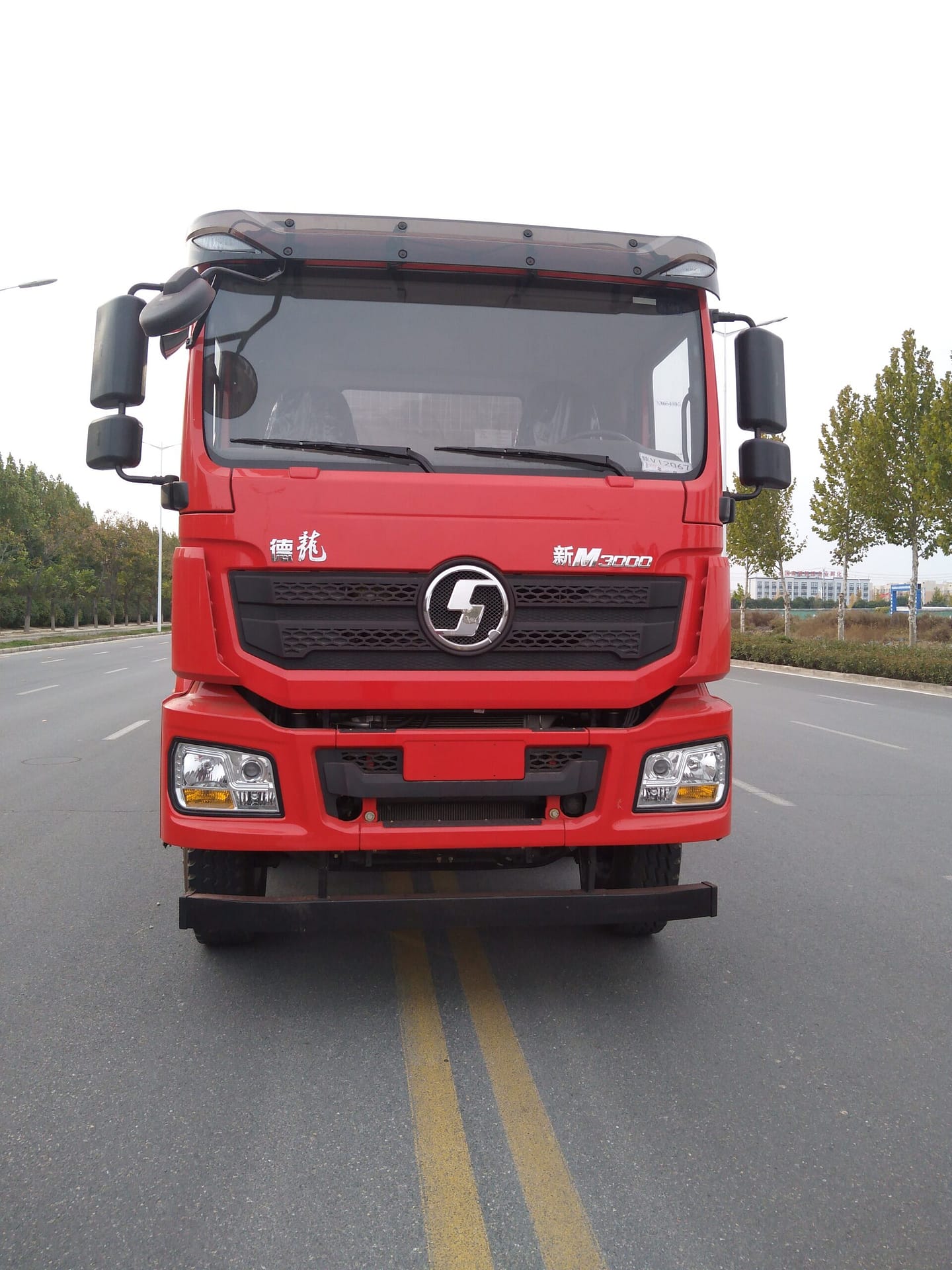
Do Not Start With Horsepower Alone
Horsepower is important, but a fleet can still lose time if power is poorly matched to pump duty, road conditions, cooling limits, or maintenance skill. A truck that looks strong on paper may disappoint if the drivetrain runs hot, if the pump is hard to inspect, or if the layout forces mechanics to remove surrounding parts for routine service.
A better first question is: what type of jobs will this truck actually handle? Shallow stimulation, acidizing support, high-rate fracturing, and repeated small jobs all stress the unit differently. The buying conversation should describe pressure range, fluid type, expected operating hours, climate, site access, crew size, and whether the customer wants a single truck or a repeatable fleet platform.
Fleet Buyer Checklist
- Confirm the job envelope. Define pressure, flow, duty cycle, and expected daily pumping hours before comparing models.
- Inspect the power path. Review engine output, transmission matching, driveline protection, and cooling margin.
- Check pump service access. Fluid ends, valves, seats, plungers, packing, lubrication, and suction/discharge lines should be reachable without excessive disassembly.
- Review control visibility. Operators need clear pressure and flow information, especially when several units are working around the same spread.
- Plan parts before failure. A spare-parts list is not an afterthought; it is part of the purchase.
Component Decision Table
| Area | What to Evaluate | Field Risk if Ignored |
|---|---|---|
| Triplex pump | Rated pressure, fluid end design, consumable access. | Unplanned downtime during a pumping stage. |
| Transmission and gearbox | Torque transfer, cooling, service points. | Heat, vibration, and reduced power delivery. |
| Manifold and piping | Pressure rating, layout, valve access. | Slow rig-up and difficult leak control. |
| Chassis | Road suitability, axle load, service body layout. | Transport limits before the unit reaches the wellsite. |
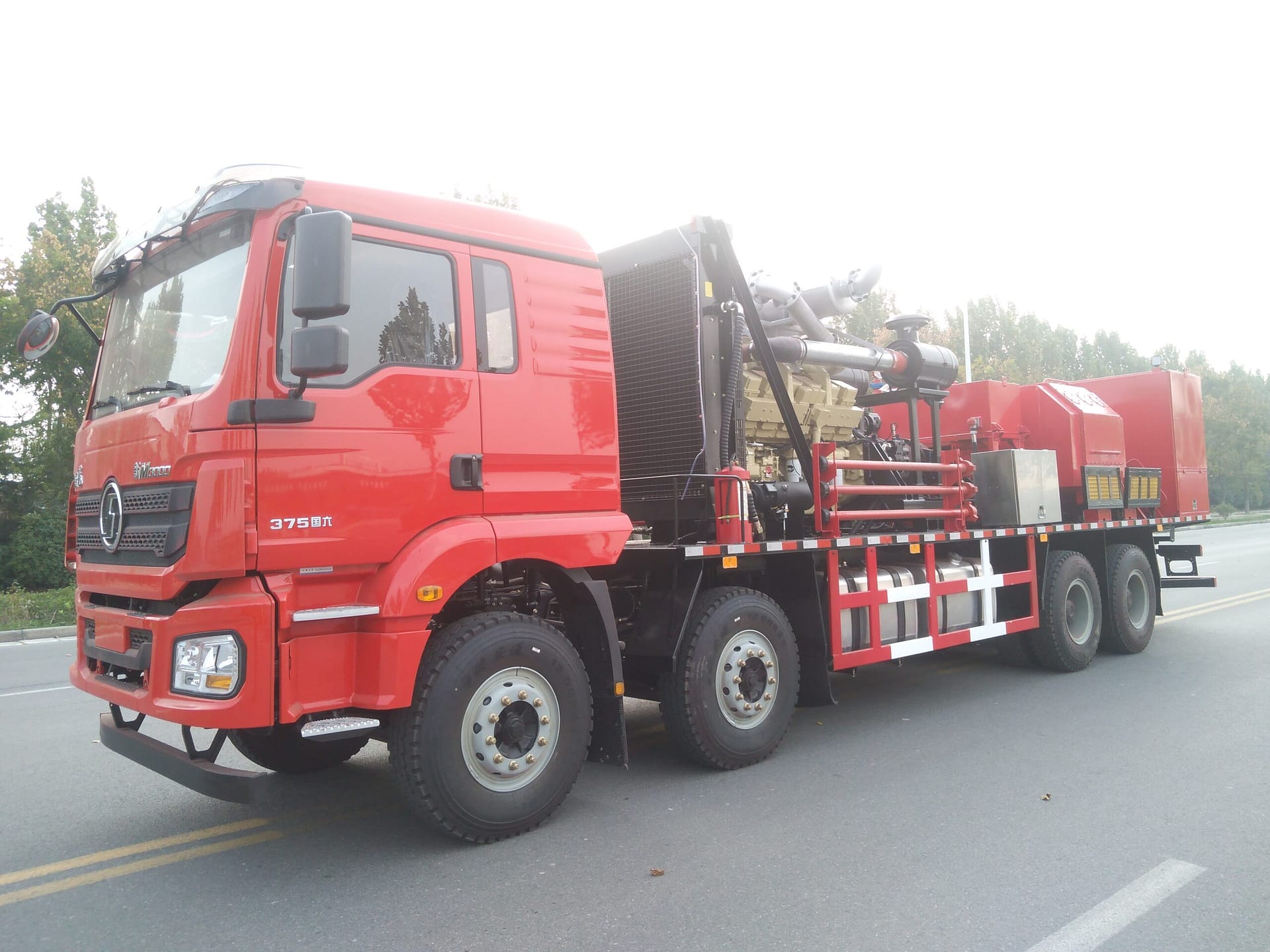
Why the Pump and Gearbox Matter Together
The triplex plunger pump is the heart of the pressure-pumping system, but it does not work alone. A reliable pump still needs stable power transfer and the right operating discipline. If the oilfield transmission box is mismatched or hard to service, the fleet can suffer vibration, heat, and power loss that operators may wrongly blame on the pump.
That is why many experienced buyers review the whole power train instead of treating the pump as an isolated item. They ask how the unit will behave after several long jobs, not only how it performs during a short acceptance test.
When to Standardize a Fleet
If a service company plans to run several pump trucks, standardization can be more valuable than chasing small specification differences between units. A consistent layout helps mechanics learn faster, simplifies spare-parts stocking, and makes it easier to move operators between trucks. Henan Vance Petroleum Machinery Co., Ltd. can discuss fleet-level configuration when the buyer needs repeatable units for several work regions.
Procurement Red Flags
- The supplier cannot explain routine replacement procedures for pump consumables.
- The quoted configuration does not match the customer’s pressure or duty cycle.
- Cooling and service access are treated as minor details.
- The spare-parts plan only appears after the contract is nearly finished.
- The buyer is shown a general pressure-pumping unit without a clear fracturing-service layout.
For deeper pump context, see Vance Petro’s article on how triplex plunger pumps improve fracturing efficiency and reduce downtime. A good fracking pump truck is not simply powerful; it is understandable, serviceable, and matched to the work the crew will repeat week after week.