
A produced water treatment package is rarely bought because a field wants another piece of equipment on the pad. It is bought because water has become the constraint: trucks are waiting, tanks are filling, discharge rules are tighter, and production people need a practical way to keep wells online without turning every remote pad into a permanent treatment plant.
For many oil and gas operators, the most useful package is not the largest one. It is the one that matches the actual water profile, can be moved when the job changes, and can be maintained by the same field team that already manages pumps, valves, tanks, and mobile service equipment. Henan Vance Petroleum Machinery Co., Ltd. approaches this type of project by looking first at produced water behavior, then at the equipment layout.
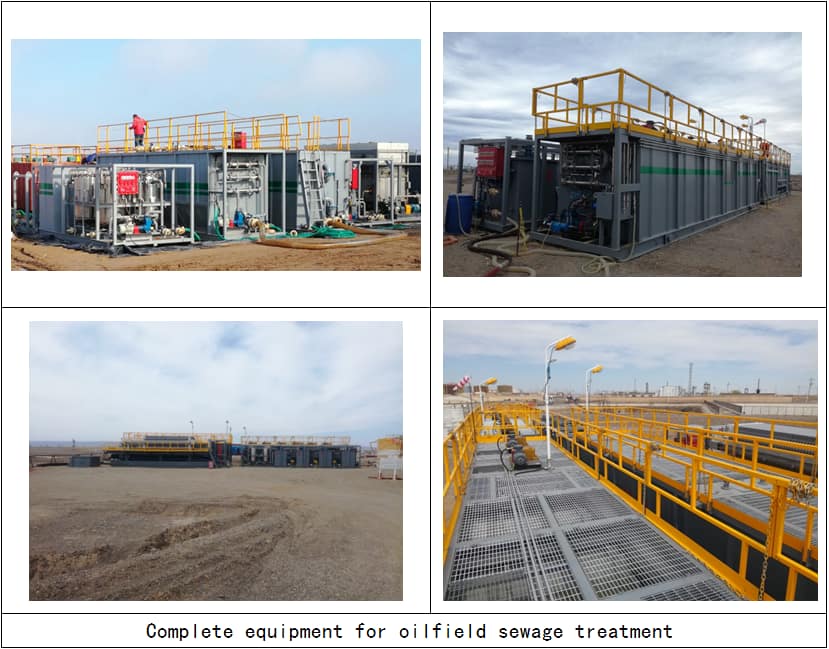
First Question: What Problem Is the Package Solving?
Produced water from a mature well is not the same as water from a temporary test site. One pad may mainly need oil-water separation before disposal. Another may need solids control because sand is damaging downstream equipment. A third may need a compact system that can follow short workovers and early production campaigns.
Before discussing tank size or skid dimensions, the buyer should define the operating problem in plain field language. Is the field trying to reduce hauling cost? Meet a discharge limit? Prepare water for reuse? Protect transfer pumps? Keep a remote site running with fewer visits? Those answers decide whether the package should emphasize pretreatment, filtration, chemical dosing, sludge handling, automation, or simple manual service access.
Water Profile Checklist
| Water Condition | Why It Matters | Equipment Detail to Confirm |
|---|---|---|
| Free oil and dispersed oil | Oil carryover can foul filters and create disposal problems. | Separator design, oil collection point, and cleaning access. |
| Fine suspended solids | Solids increase pump wear and shorten filter life. | Settling, filtration grade, sludge discharge route. |
| Chemical residues | Some chemicals change separation behavior. | Compatibility with dosing and treatment process. |
| Flow fluctuation | Remote wells often do not feed water evenly all day. | Buffer tank, modular capacity, and bypass planning. |
| Site mobility | A package may need to move after a test or campaign. | Skid frame, lifting points, pipe connection layout. |
Where Modular Equipment Fits Best
A modular package is strongest when the operator needs control without committing to a fixed station too early. It can support scattered well pads, early production, marginal fields, temporary water-handling campaigns, or fields where the expected water cut is still changing. In these cases, fixed civil construction can be slow, while a packaged system gives the operator a way to learn from real water conditions and scale the process later.
That said, a package should not be treated as magic. If water chemistry changes sharply between wells, the system may need sampling points, adjustment space, and realistic maintenance intervals. If the field has very high sludge load, the buyer should ask how solids will leave the package and where operators will place them after removal.
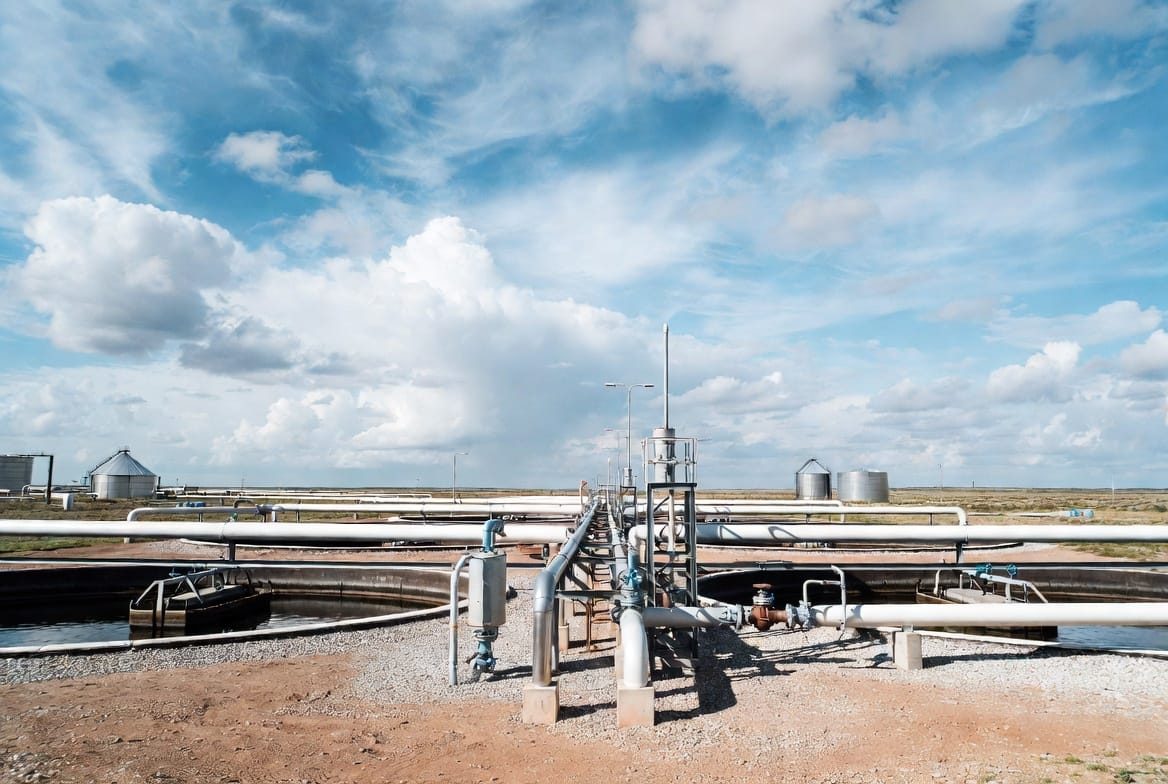
How It Works With Other Field Equipment
Water treatment decisions connect directly with production support. When an operator uses an oil production truck to support a scattered or developing field, water volume can decide whether the operation stays economical. If the well is still being evaluated, a test well truck can provide production behavior and water-cut data before the customer commits to a larger package.
For fields that already face environmental pressure, Vance Petro’s oilfield sewage treatment equipment page is the most relevant product reference. The earlier article on oilfield sewage treatment equipment and environmental regulations also explains why mobile treatment can reduce operating pressure when regulations and transport costs rise together.
Supplier Questions Worth Asking
- What water analysis is required before final process design?
- Which parts are wear items, and how many should be stocked near the field?
- How does the package behave when oil content or flow rate suddenly changes?
- Can operators clean filters, tanks, and valves without special workshop tools?
- What lifting, transport, and recommissioning work is needed when the package moves?
Practical Buying Note
The best produced water package is the one the field will actually maintain. For export buyers, this means checking not only capacity but also spare parts, control simplicity, training, local power conditions, and the customer’s disposal route. A technically elegant system can still fail commercially if it needs daily specialist attention in a remote area.
When the package is selected around real water data and crew capability, it becomes more than a compliance item. It helps protect production rhythm, reduce unnecessary hauling, and give the operator a cleaner basis for long-term field planning.