Petroleum production equipment for marginal wells has to be judged differently from equipment for large fixed facilities. A small well may not justify permanent infrastructure immediately, but it still needs flow handling, basic measurement, temporary production support, and a way to decide whether more investment makes sense. That is where an oil production truck can be useful.
This article looks at mobile production support for mature or low-output wells, especially when operators need practical field data before committing to fixed equipment.
What Marginal Wells Usually Need First
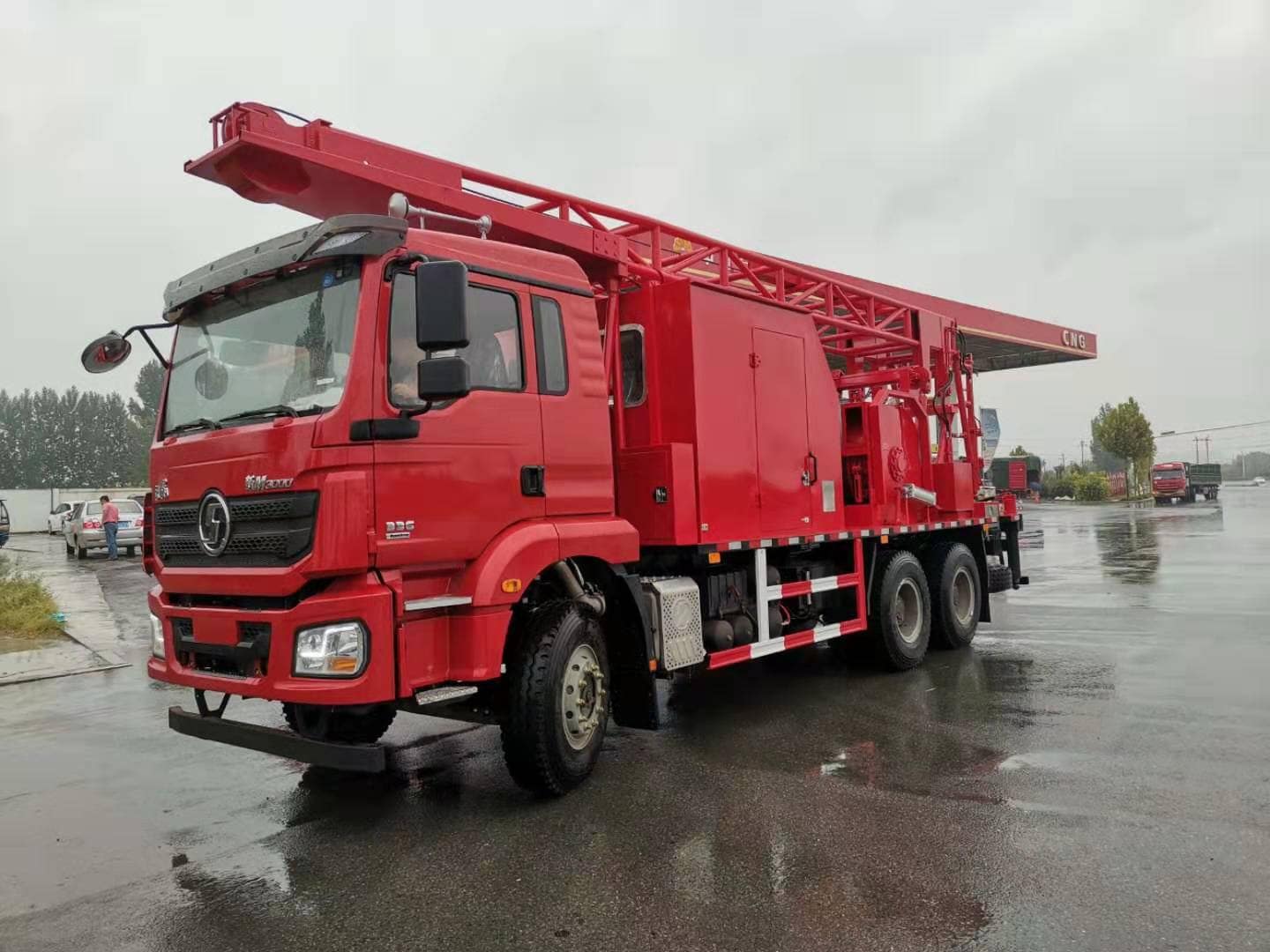
Marginal wells often need flexibility more than size. Production may be intermittent, water cut may change, and field access may be limited. A mobile production truck gives the operator a way to support temporary production, gather basic operating information, and move the unit when another well needs attention.
Selection Matrix
| Field Condition | Equipment Priority | Related Support |
|---|---|---|
| Unstable early production | Mobile testing and temporary handling | Test well truck |
| High water cut | Water handling and disposal planning | Oilfield sewage treatment equipment |
| Remote low-output wells | Simple operation and easy movement | Chassis support and spare-parts planning |
| Mature waxy wells | Production support plus service planning | Flushing, heating, or wax-removal units |
Buying Notes for Small Fields
- Do not oversize equipment for one unusual well if most wells are low-output.
- Ask how quickly the unit can be deployed, cleaned, and moved.
- Confirm what data operators can collect during temporary production.
- Plan water handling before the water cut becomes a transport problem.
- Review service fleet needs with Vance Petro’s article on choosing the right well servicing truck.
Why Mobile Production Support Can Be Sensible
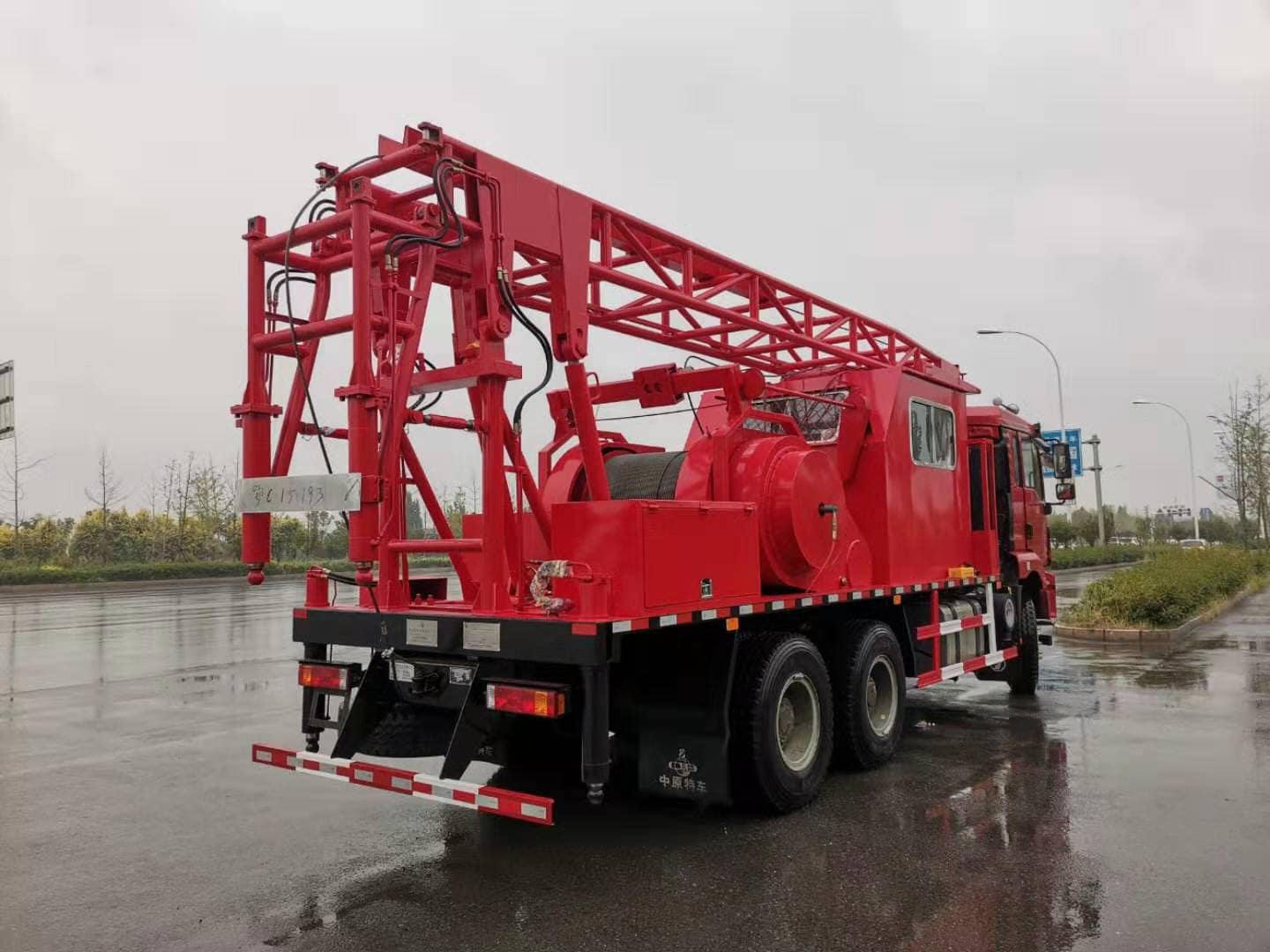
For marginal wells, the wrong fixed investment can be more expensive than a cautious mobile plan. Henan Vance Petroleum Machinery Co., Ltd. can discuss oil production truck configuration, chassis choice, and related support equipment based on the customer’s well conditions and operating region.
The goal is not to make every small well look large. The goal is to give the operator enough production support and field information to make the next decision with less guesswork.