
Nitrogen generation system cost is not only the purchase price of the truck. For oilfield service, the real cost includes fuel, compressor duty, membrane or separation package, maintenance skill, spare parts, chassis support, and how much waiting time the unit removes from the job plan. A nitrogen generation truck is often bought because logistics have become too expensive to ignore.
This guide breaks down the buying factors behind on-site N2 equipment for purging, pressure support, and remote well intervention.
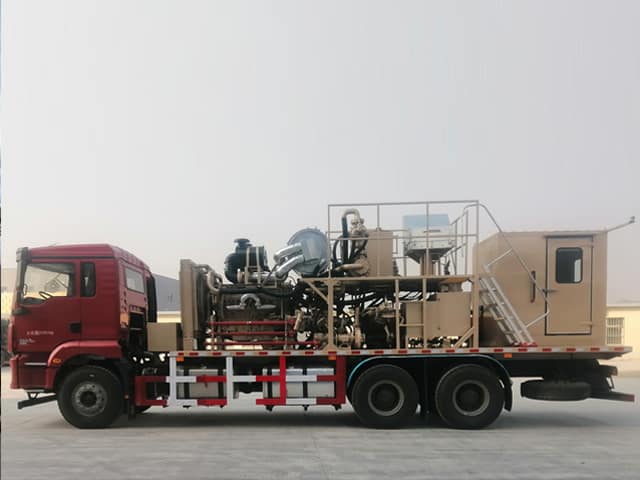
Cost Factors Buyers Usually Compare
| Cost Area | What Affects It | Field Note |
|---|---|---|
| Gas output and purity | Compressor size, separation package, duty cycle | Higher purity is not always better if the job does not need it. |
| Chassis and mobility | Road conditions, climate, local parts support | Remote service can make chassis support as important as gas output. |
| Operating cost | Fuel, filters, maintenance interval, crew training | Daily operating cost matters when N2 demand is regular. |
| Downtime reduction | Less dependence on delivered nitrogen | The value often comes from schedule control rather than gas price alone. |
When On-Site Nitrogen Makes Financial Sense
Delivered nitrogen can be simple when the job is short and close to a supplier. On-site generation becomes more interesting when the field is remote, the schedule changes often, or nitrogen is needed across several service operations. For a contractor supporting pressure work with a fracturing truck, predictable nitrogen supply can protect the whole job plan.
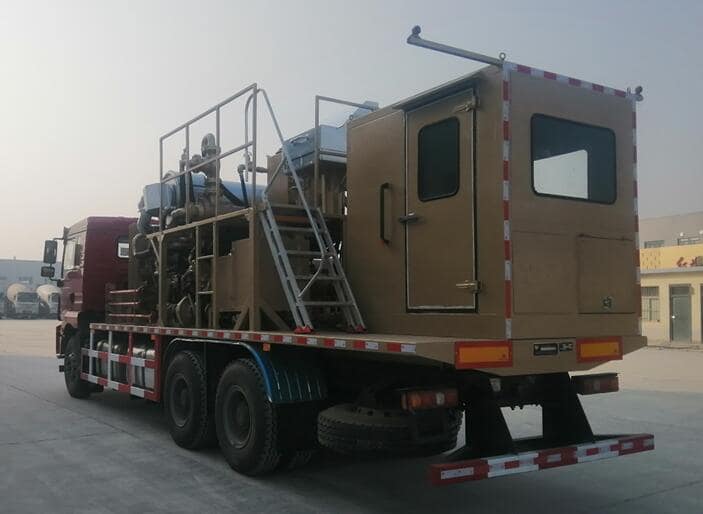
Questions Before Comparing Prices
- What purity is actually required by the target jobs?
- How many hours will the unit run continuously on a normal operation?
- Will it support purging, inerting, lifting, or pressure-pumping work?
- What compressor and filtration maintenance can the local crew handle?
- How will the unit coordinate with a triplex plunger pump or other pressure equipment?
Supplier Discussion
Henan Vance Petroleum Machinery Co., Ltd. can discuss output, chassis, control layout, spare parts, and training based on the customer’s actual nitrogen workload. For buyers still deciding whether on-site nitrogen is worth it, Vance Petro’s article on nitrogen generation trucks in oilfield operations gives a useful starting point.
The best cost decision is not always the cheapest system. It is the system that gives enough nitrogen, in the right place, with a maintenance burden the owner can support.