
When a fracturing fleet loses power transfer, the downtime rarely looks dramatic from the outside. The truck is still there, the pump is still there, and the crew may be ready. But the job stops because torque, speed, heat, lubrication, and alignment are no longer behaving as a system. That is why the oilfield transmission box deserves more attention than it usually gets during equipment selection.
This article is a reliability checklist for buyers who operate or assemble pressure-pumping fleets. It looks at the transmission box as a working component between power source and pump, not as a loose spare part chosen at the end of the project.
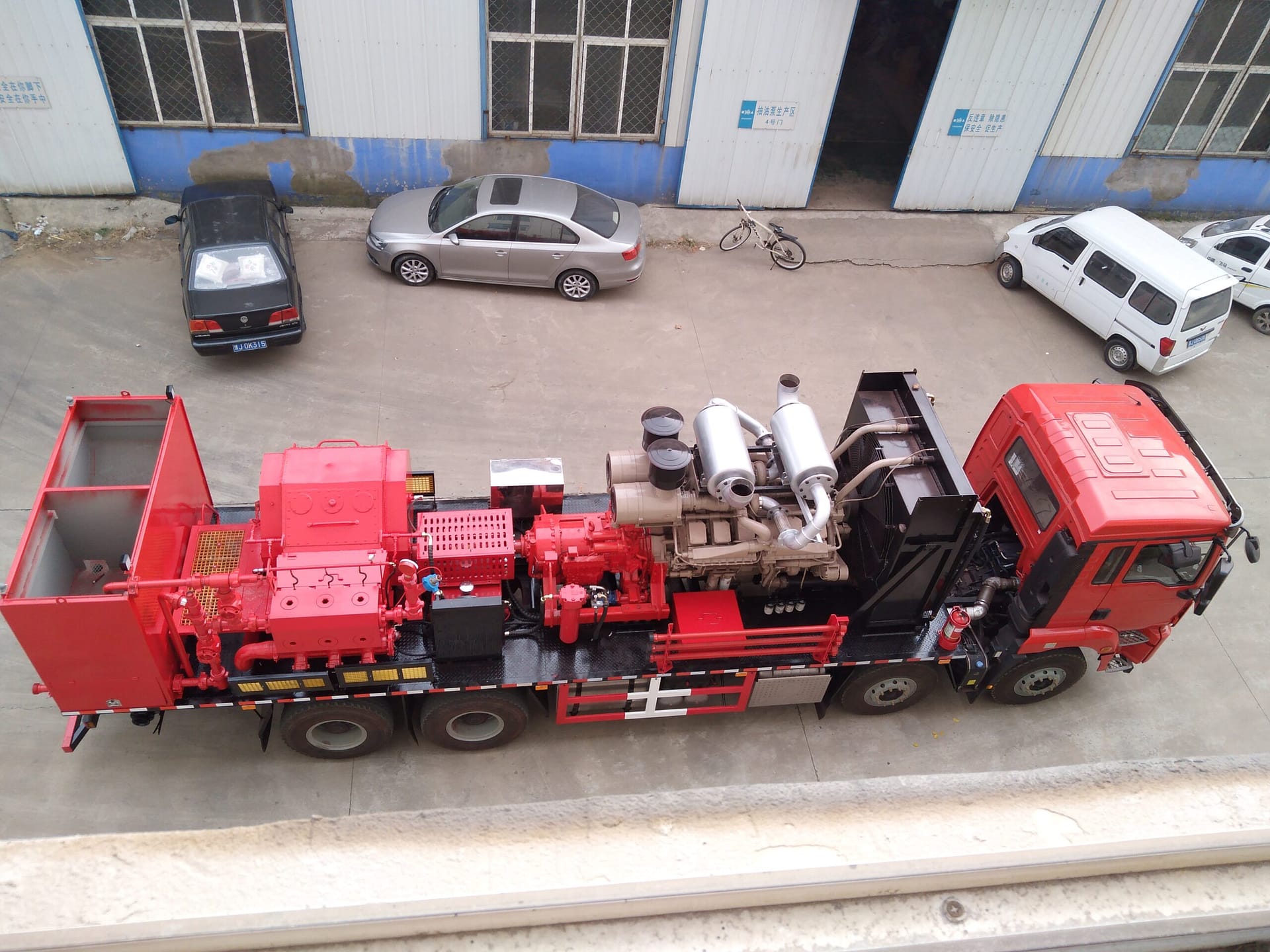
The Three Failures Buyers Are Trying to Avoid
Heat that slowly becomes normal
Temperature creep is easy to explain away during busy field work. The fleet is under load, the weather is hot, the job is long. But a transmission system that regularly runs too hot is warning the owner that lubrication, load matching, cooling, or alignment needs review.
Vibration that shows up after installation
A transmission box can look acceptable on its own and still perform poorly when installed into a complete truck or skid. Coupling alignment, mounting stiffness, pump load, and the working rhythm of the triplex plunger pump all influence reliability.
Maintenance access that costs hours
Some failures are not caused by weak components. They are caused by layouts that make inspection slow. If operators avoid routine checks because the service points are awkward, small problems have more time to grow.
Power Transfer Checklist
| Check Point | Why It Matters | Buyer Note |
|---|---|---|
| Input and output matching | Protects pump and drive components | Confirm actual duty cycle, not only rated figures. |
| Lubrication design | Controls wear and heat | Ask how oil level, oil quality, and service intervals are monitored. |
| Mounting and alignment | Reduces vibration | Review the complete installation, especially for truck-mounted systems. |
| Cooling conditions | Supports long jobs | Consider climate, dust, and expected operating hours. |
| Spare parts plan | Shortens downtime | Stock common wear items before the fleet is fully busy. |
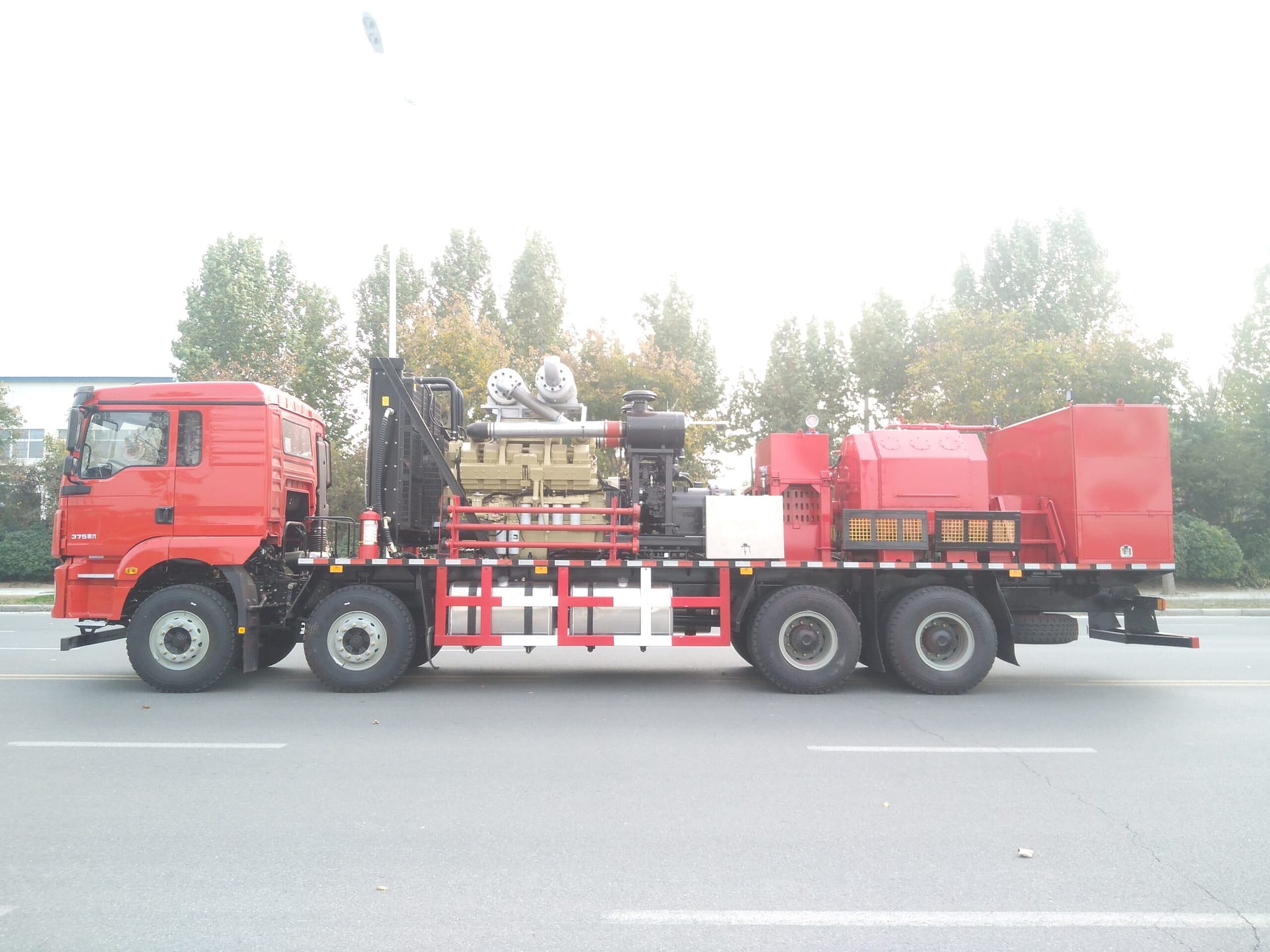
Why Fracturing Fleets Are Demanding
A fracturing truck asks a transmission system to work in a harsh rhythm. Loads are high, job time can be long, and the consequences of a forced stop are expensive. The transmission box must therefore be selected with the whole fleet in mind: engine, pump, control habit, operator training, maintenance schedule, and site conditions.
For new buyers, it is tempting to evaluate the transmission box only by rated power. That is too thin. The better question is how the component behaves under repeated service, how easily it can be inspected, and how quickly the customer can get support if a problem appears.
A More Useful Conversation with the Supplier
Give the supplier the actual pump model, engine or motor data, expected workload, ambient temperature, installation layout, and maintenance expectation. Henan Vance Petroleum Machinery Co., Ltd. can then discuss a transmission solution that fits the pressure-pumping system rather than guessing from a single power number.
Buyers comparing pressure-pumping reliability may also find this article on triplex plunger pumps and fracturing efficiency useful. The pump and transmission box are separate components, but in the field they succeed or fail together.
A reliable oilfield transmission box does not make a fleet look more impressive in a brochure. It simply keeps power moving when the job is difficult. That is enough reason to specify it carefully.